Crete, Greece
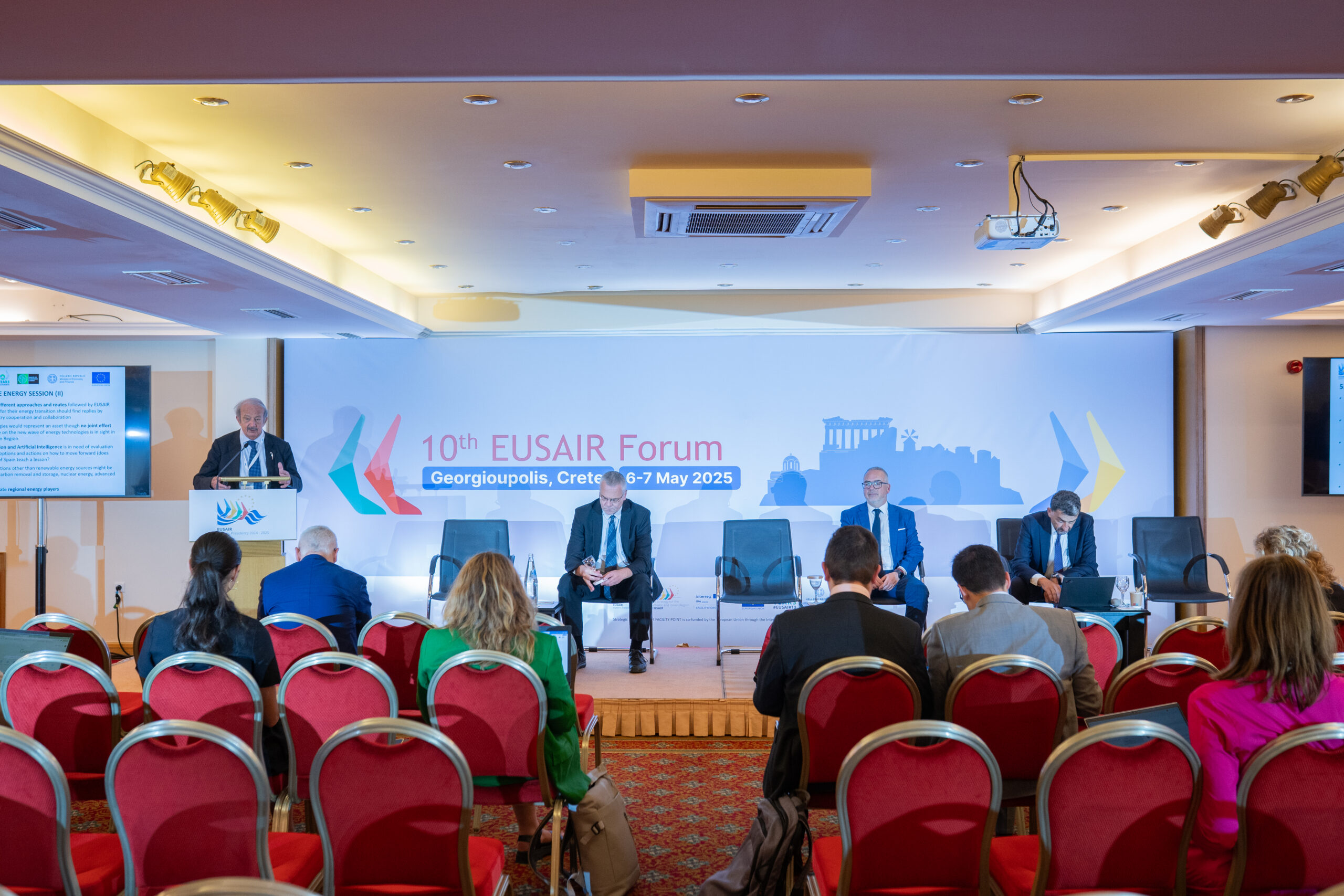
On 7th May, during the 10th EUSAIR Annual Forum held in Crete, a thematic session was organized under Pillar 2 – Energy, titled “Energy Programmes and Projects to Address the Global Climate Change Challenge in the Adriatic and Ionian Region.” The session focused on the transition towards net-zero carbon energy systems in EUSAIR countries, in line with EU targets for 2050, and addressed the need for national strategies to reduce carbon emissions and enhance cooperation across the region.
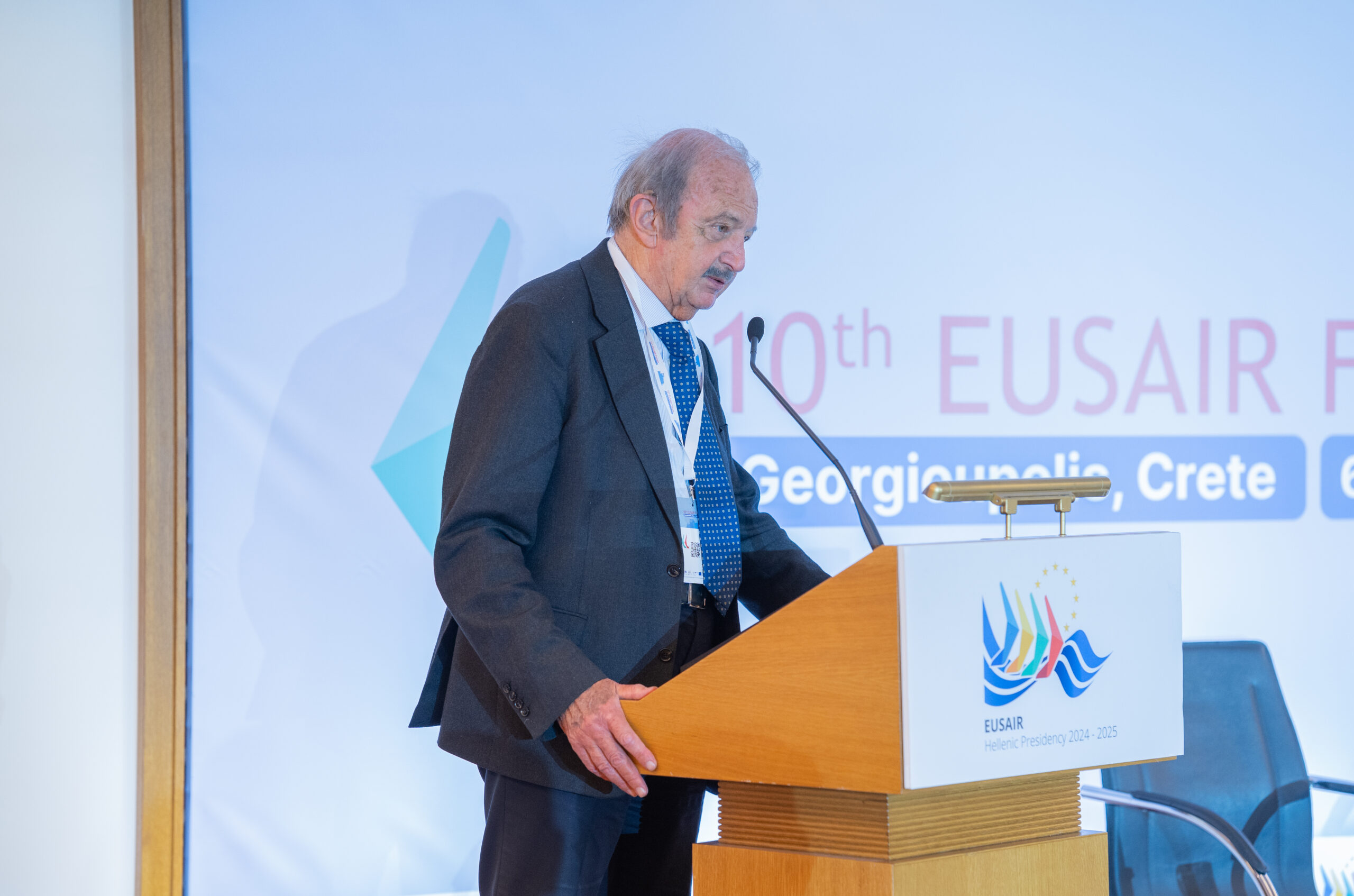
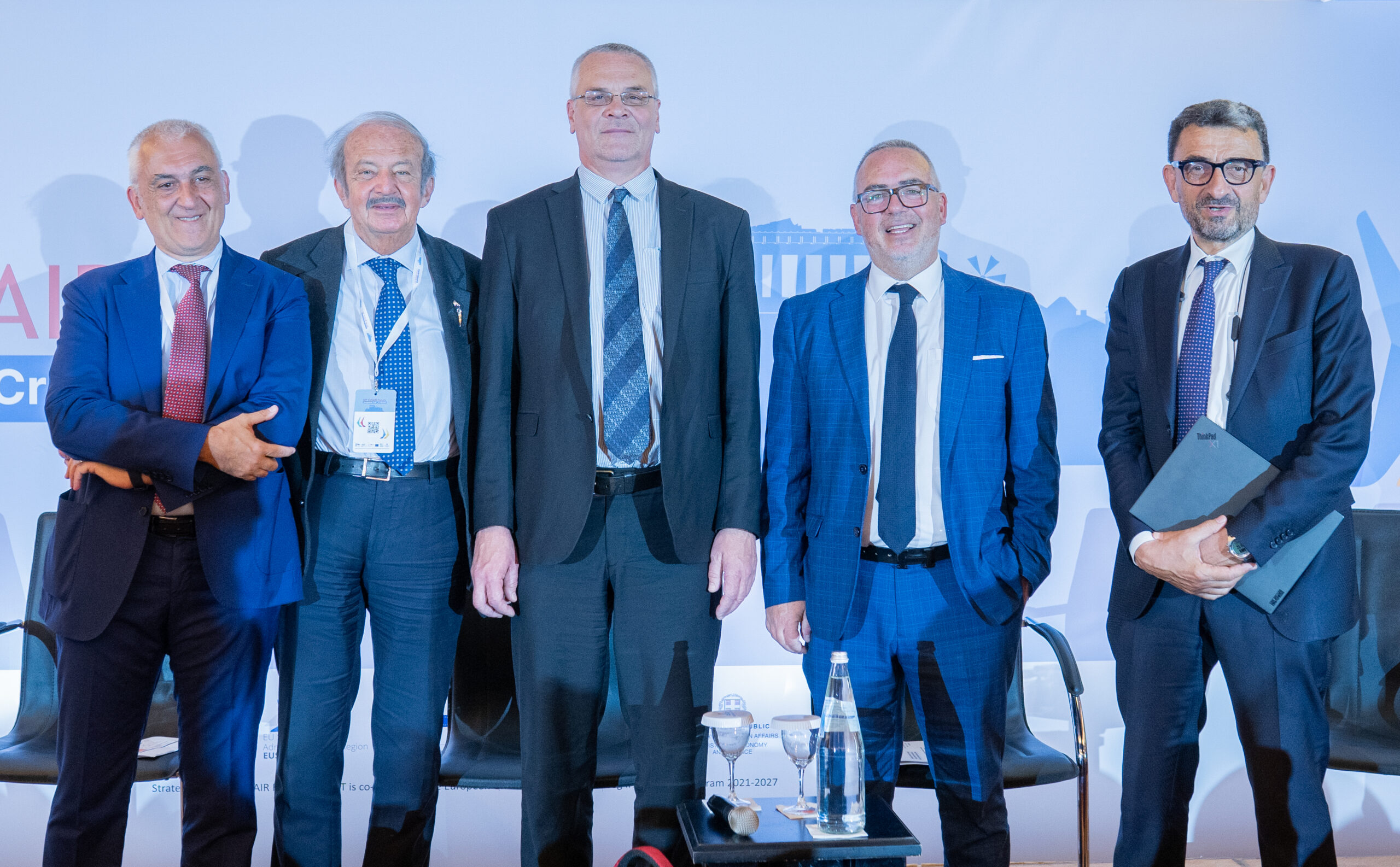
The session was chaired by Mr. Sergio Garribba, Pillar 2 Coordinator on Energy, with a special focus on renewable energy sources as a key driver for achieving decarbonisation goals and the role of new technologies and digital tools to accelerate the energy transition across the Adriatic-Ionian Region.
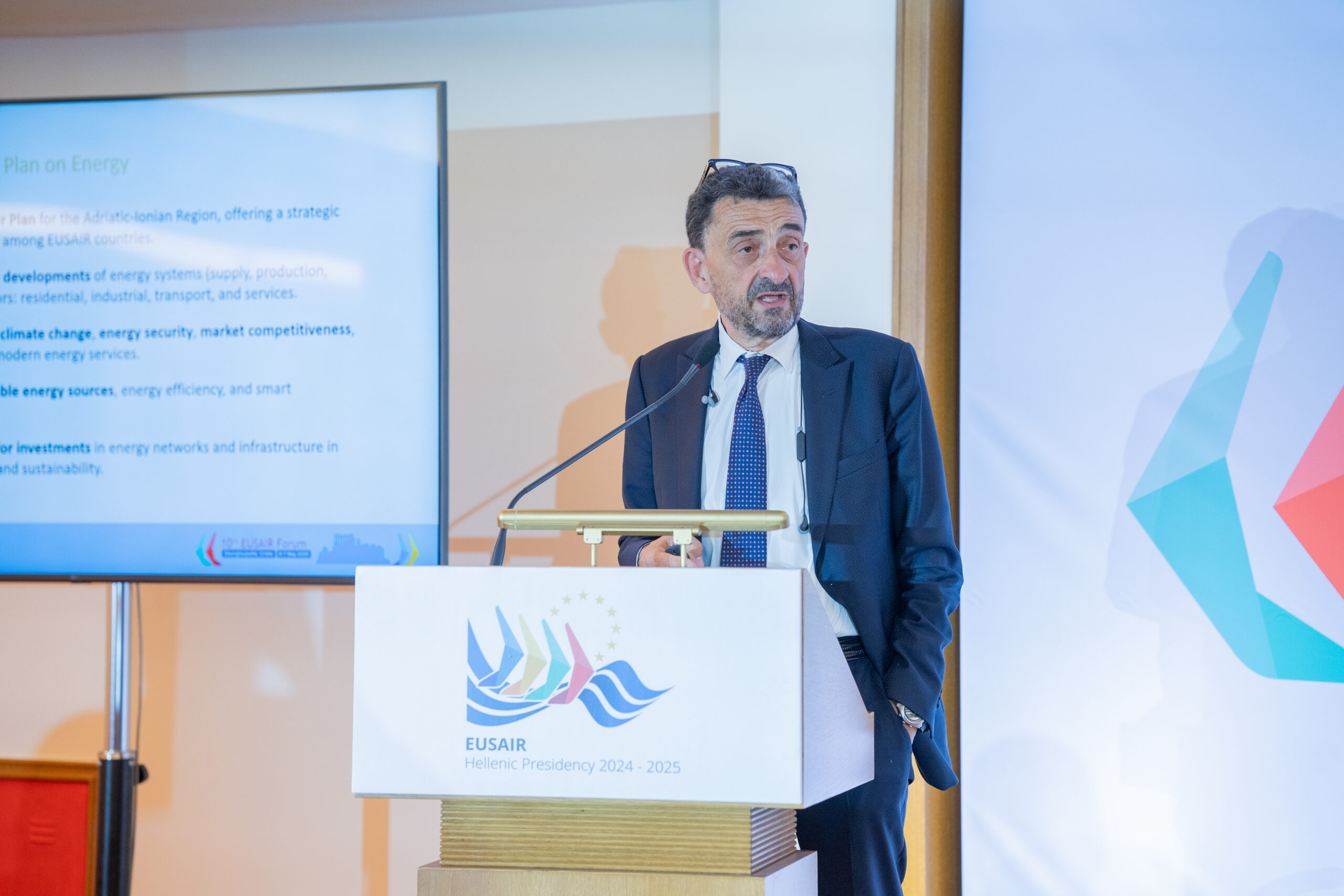
A keynote address was delivered by Mr. Davide Tabarelli, President of Nomisma Energia, who presented a comprehensive view of the challenges and opportunities in transitioning to renewable energy, to build an integrated, flexible and resilient energy system. He highlighted the importance of the Master plan on Energy as a key tool to ensure a smooth and sustainable process to carbon neutrality, through inclusive policies and a shared outlook on energy systems within the region.
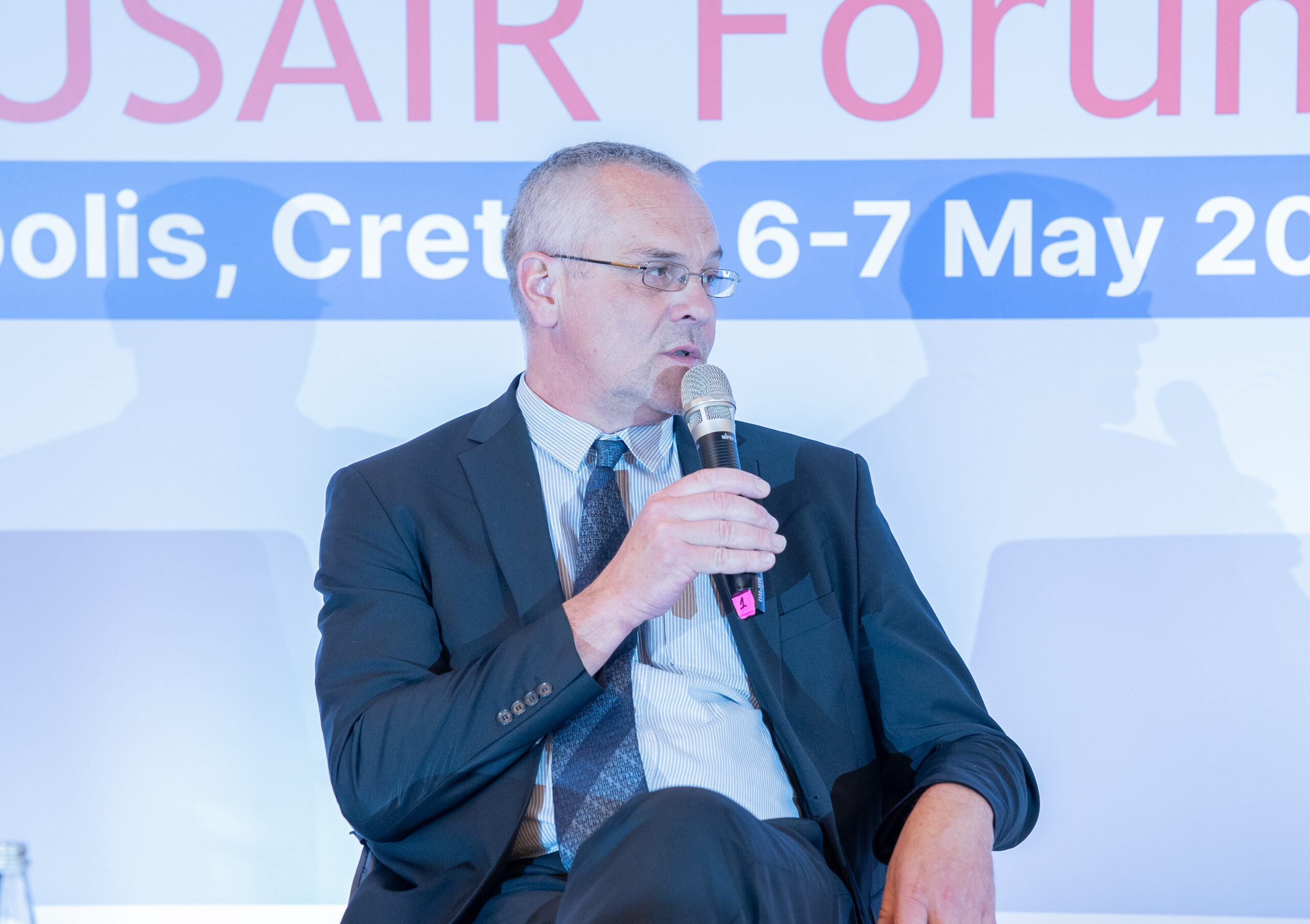
Following the keynote, a panel discussion was held, featuring a diverse group of experts. Mr. Davos Bajs, Electricity Infrastructure Expert at the Energy Community Secretariat, outlined the ongoing challenges in expanding renewable energy networks across the region, emphasizing the need for cohesive strategies and integrated policies in the Western Balkans in alignment with EU regulations.
Mr. Dimitri Kollias, energy transition strategist from the Ministry of Environment and Energy of Greece, provided insights into Greece’s energy policies and their alignment with EU decarbonization goals, with a focus on energy security and affordability issues, underlining the importance of a just, inclusive and participatory energy transition.
Mr. Alberto Biancardi, Director of International and European Relations at GSE, Italy, outlined Italy’s renewable energy initiatives, highlighting the national agency’s contribution to drive the energy transition, supporting local energy communities in their efforts to build up a resilient and participatory environment.
The session concluded by emphasizing the need for a collective approach to achieve net-zero carbon energy systems. Participants agreed on the importance of leveraging EUSAIR as a platform for cooperation, with a focus on harmonizing energy policies, promoting renewable energy projects, and addressing the challenges of energy transition. The need for clear strategies and joint action across the region was highlighted as essential to meet the EU’s climate targets for 2050.