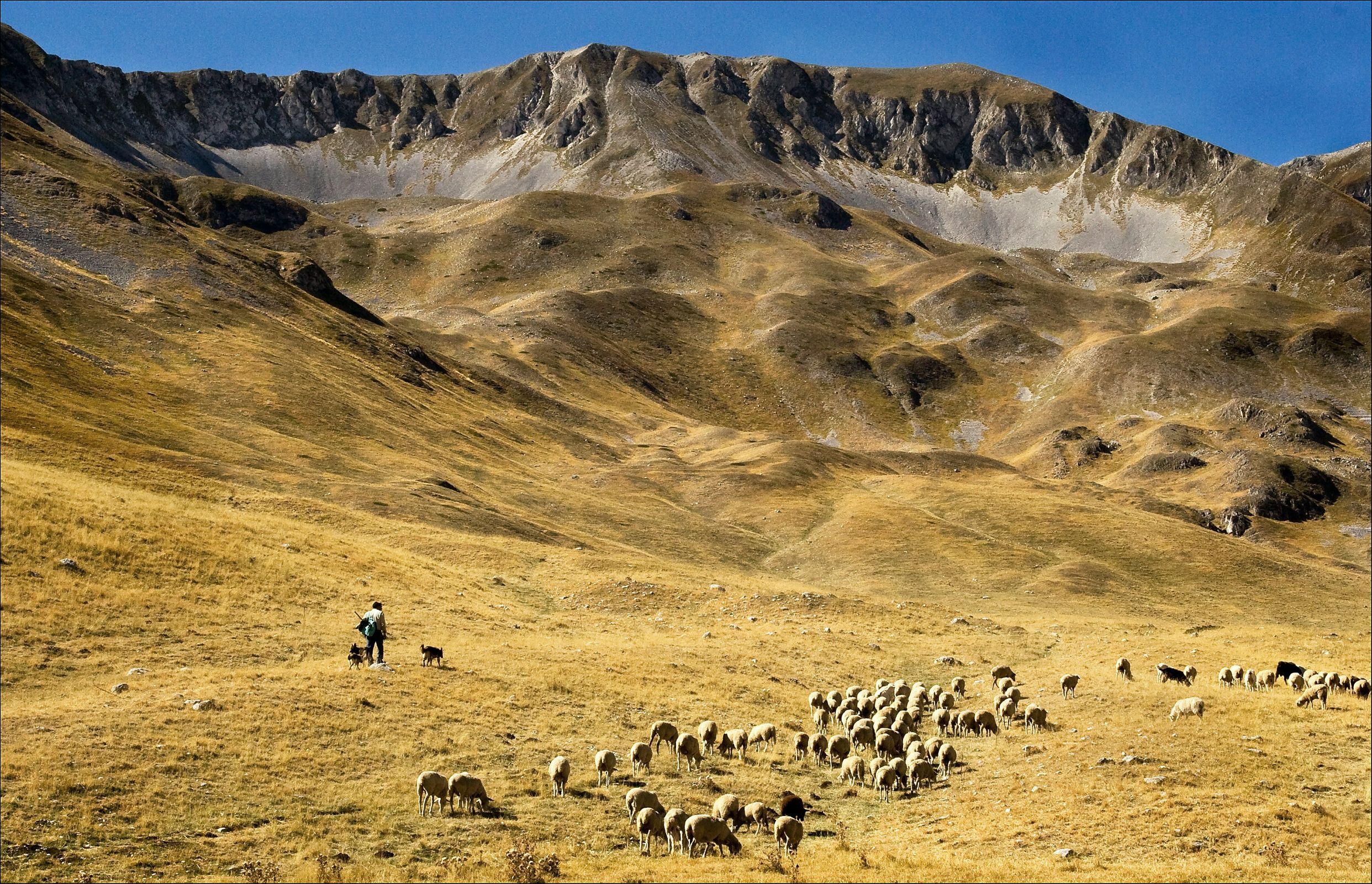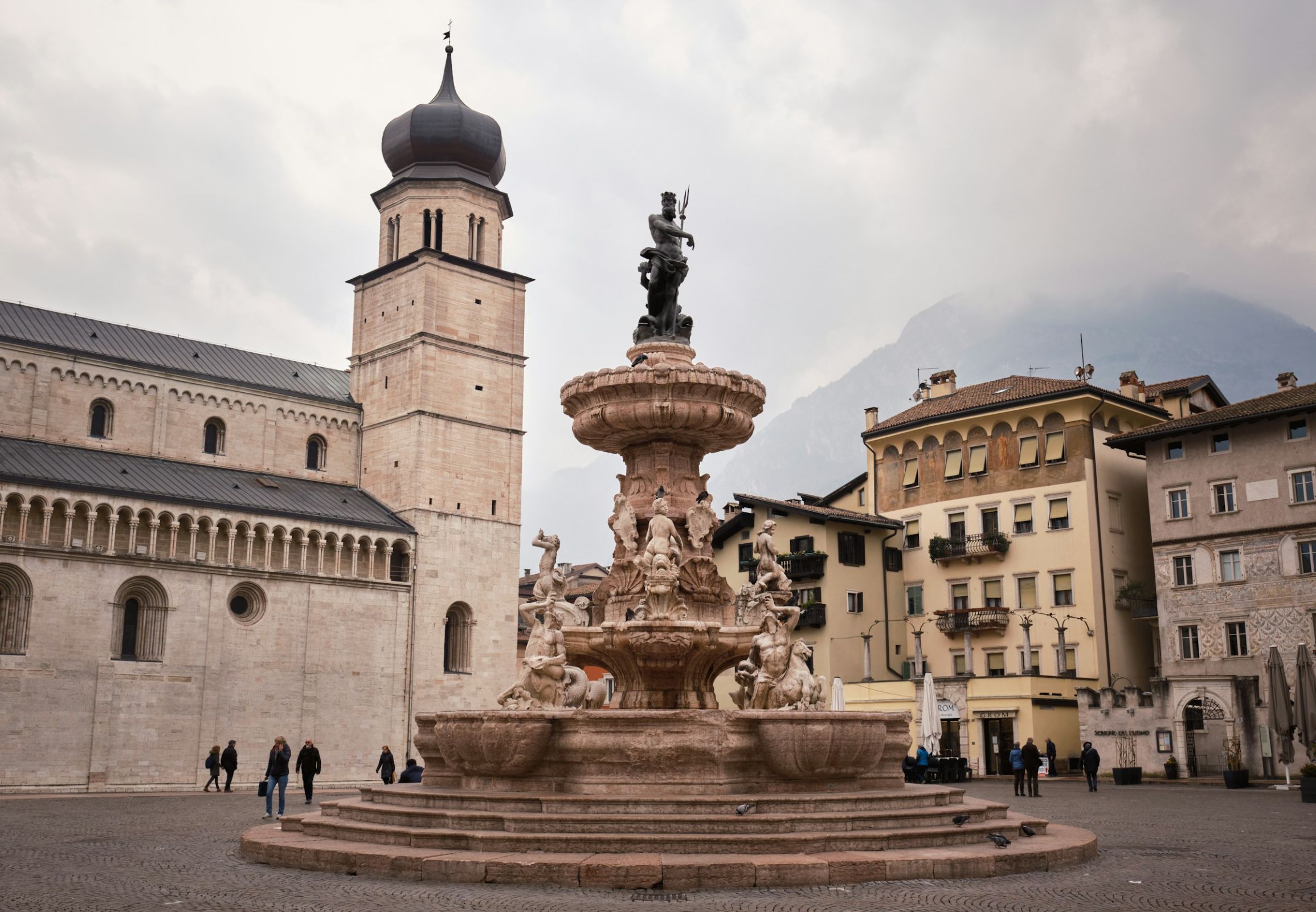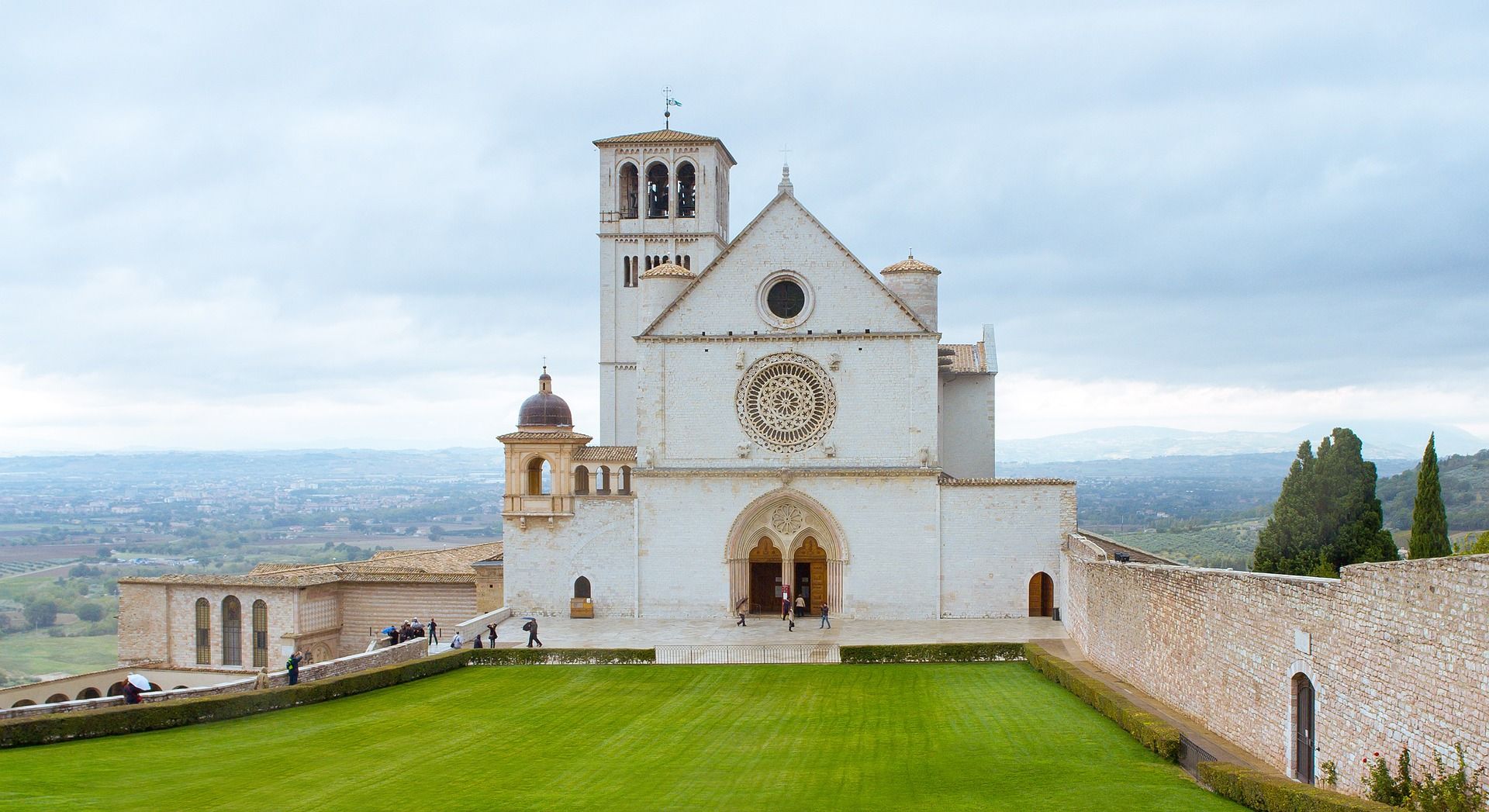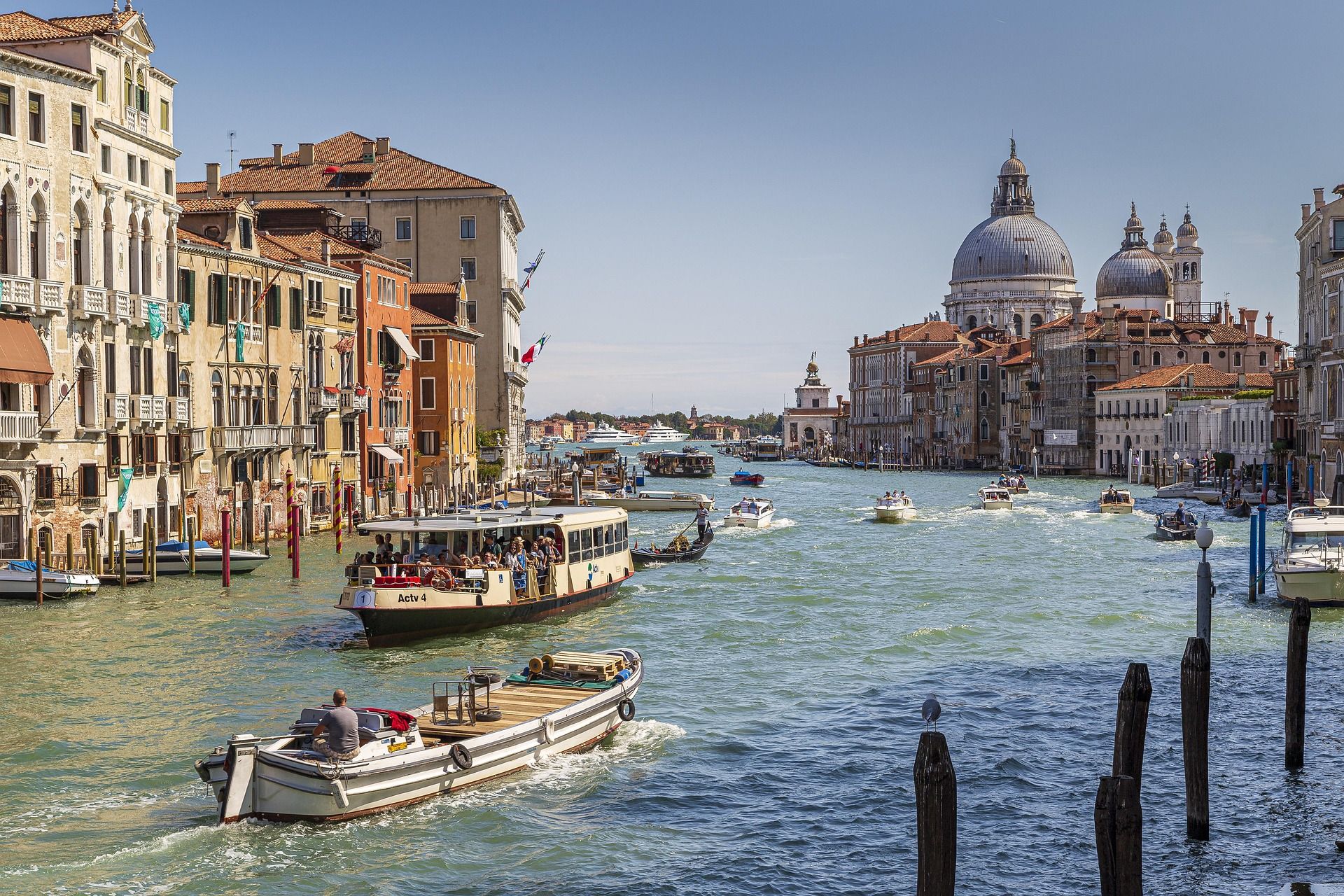
Italy, situated in the heart of the Mediterranean, is a country known for its remarkable cultural, historical and natural richness. Stretching from the northern regions that are part of the Alps to the southern regions that overlook the Mediterranean, Italy offers one of the most diverse geographic landscapes in Europe. Its territory includes mountain ranges, fertile plains, extensive coastlines and a large number of islands, creating a unique blend of climates and environments.
The country’s cultural heritage is globally renowned. Italy is home to an extraordinary number of UNESCO World Heritage Sites, representing its millennia-old history shaped by ancient civilizations, the Roman Empire and the Renaissance. Its cities—such as Rome, Venice, Florence and Milan—are internationally recognized centres of art, architecture, design and innovation.
Economically, Italy is one of the largest economies within the European Union. Its economic structure is based on a solid manufacturing tradition (from automotive, industrial machinery and electronics to furniture and world-renowned luxury clothing) as well as a service sector (e.g., banking and insurance), including a vibrant tourism sector and a dynamic network of small and medium-sized enterprises that support innovation and regional development. Agriculture and high-quality food production also remain notable pillars of Italy’s identity and international reputation.
With its strategic position and long Mediterranean coastline, Italy serves as an important bridge between Europe and the wider Mediterranean region. Its regions reflect a rich diversity of traditions, dialects, landscapes and economic profiles, contributing to the country’s multifaceted national character.
Italy participates in EUSAIR through a multilevel governance model involving the Ministry of Foreign Affairs and International Cooperation (MAECI) and the Department for Cohesion Policies (DPCoe), in coordination with regional authorities. The EUSAIR area in Italy includes 14 regions (Abruzzo, Basilicata, Calabria, Emilia-Romagna, Friuli Venezia Giulia, Lombardia, Marche, Molise, Autonomous Provinces of Bolzano and Trento, Puglia, Sicilia, Umbria, Veneto). Operational support for the EUSAIR Macroregional Strategy is provided by the strategic project “EUSAIR Facility Point 23-27”, in which the Autonomous Region of Friuli Venezia Giulia participates as a partner.
Geography
Area
Total
302 309 km2 (Italy), 190 031 km2 (14 Italy regions in EUSAIR)
Climate
From a climatic perspective, Italy’s geographical position encompasses a wide range of conditions: Northern regions located within the Alpine area, central regions featuring coastal, flat, and mountainous landscapes shaped by the Apennines, and southern regions with a distinctly Mediterranean climate. Across the 14 Italian regions participating in EUSAIR, the following diverse climatic types can be found:
Climate of alpine territories:
summers are short and cool; winters are long and cold with heavy snowfall. The rainiest seasons are autumn and spring, while summer experiences heavy thunderstorms.
Climate of sub-alpine territories:
common in hilly areas around mountains, slightly milder than in Alpine areas.
Continental climate (various territories):
present in Northern Italy and in the central plains, with large temperature variations between the seasons.
Continental Mediterranean climate (various territories):
typical of central inland Italian Regions, with hot, dry summers and cold winters. Some areas experience sharp drops in nighttime temperatures, typical of this microclimate.
Mediterranean climate (various territories):
predominant along the coasts, characterised by hot summers and mild winters.
Insular Mediterranean climate:
specific to islands, with very hot summers and extremely mild winters.
People and Society
Population
58,94 mio (Italy), 36,55 mio (14 Italy regions in EUSAIR)
Ethnic groups and languages
Friuli Venezia Giulia:
historical presence of Slovenes and, to a lesser extent, of Croats. The “Friulian language” (romance language of the Rhaeto-Romance group with origins dating back to the 11th century) is widely used in the Friuli sub- region.
Autonomous Provinces of Bolzano and Trento:
given the proximity to Austria, the German language is very widespread, as well as the “Ladin language” (Neo-Latin language, recognized as the third official language).
Other Regions:
in Calabria and Puglia there is a historical presence of Greeks and, in Puglia alone, of Albanians.
Religions
The distribution of religions practiced in Italy varies significantly between individual Regions, but its actual quantification is made difficult by the fact that a person formally declares belonging to a religion but doesn’t attend their places of worship. However, in some areas, such as Northern Italy (especially in Veneto), a significant influence of Catholicism is observed, while in others, such as Southern Italy (e.g., Calabria and Sicily), growing religious diversity is evident. The presence of religious communities in Italy is also linked to historical and more recent migratory phenomena, with an increasing presence of people from various Countries around the World (Western and Eastern Balkans, former Soviet Union Countries, Countries of the Maghreb, Latin America, Asia, etc.).
Economy
GDP and GDP per capita
2 200 billion EUR and 32 885 EUR/capita (Italy), 1 398 billion EUR and 31 736 EUR/capita (14 Italy regions in EUSAIR)
Exports
622,61 billion EUR (Italy), 408,76 billion EUR (14 Italy regions in EUSAIR)
Imports
574,32 billion EUR (Italy), 350,21 billion EUR (14 Italy regions in EUSAIR)