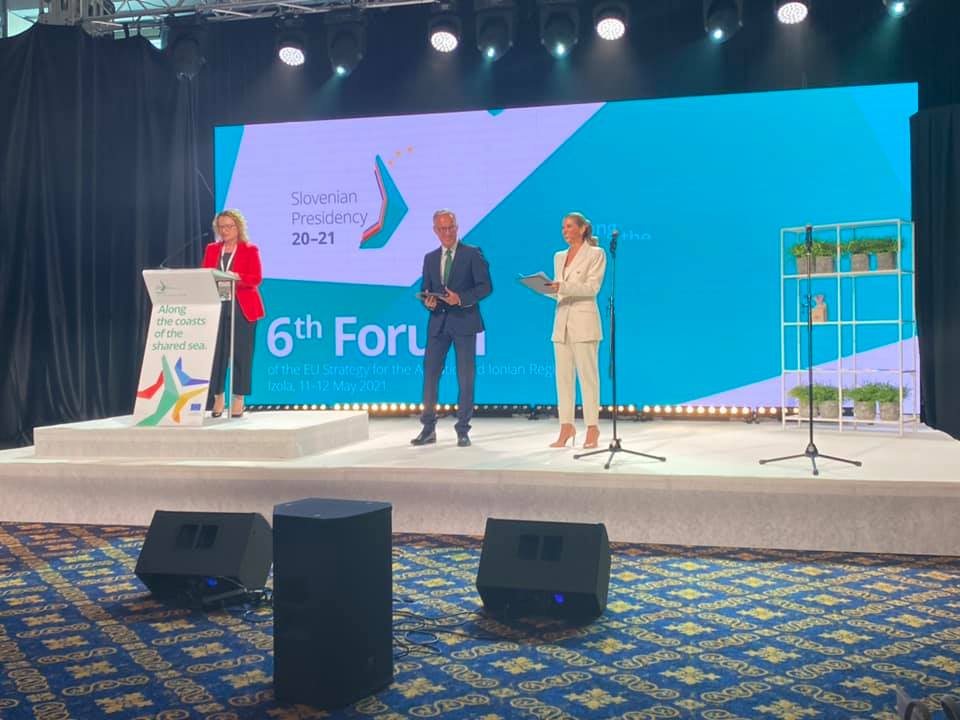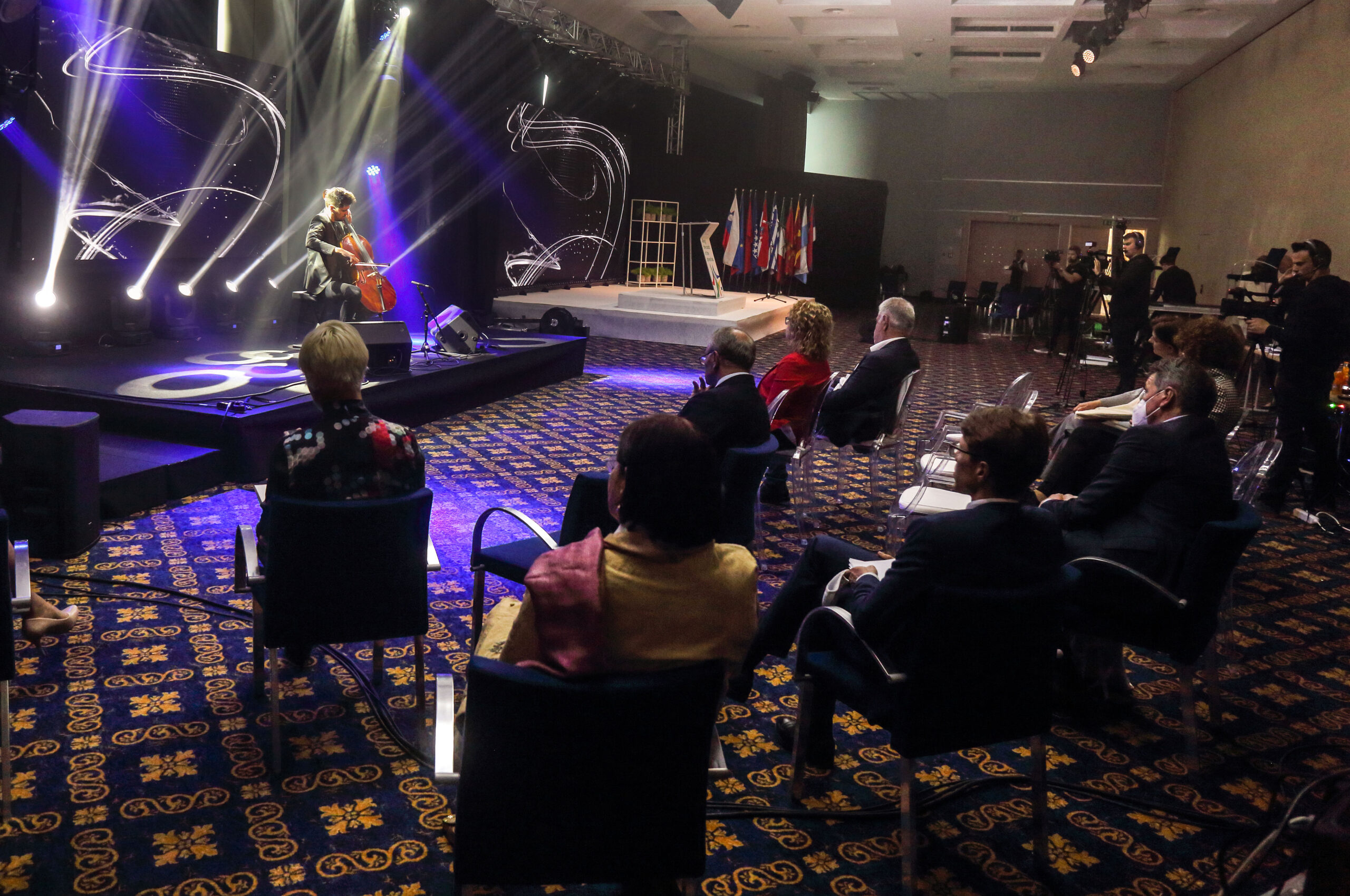
It was through dialogue on the conditions of a shared future that the participants of the Ministerial Round Table were inspired by a co-recipient of the Nobel Peace Prize and leading Slovenian expert on climate change, Lučka Kajfež Bogataj, and the EU Climate Pact Ambassador and journalist of the Delo newspaper, Boštjan Videmšek. They praised young people for their bold thinking, emphasized the need for change of individual life-styles and called for new institutions that will be able to cope with contemporary challenges.
The Young POPRI competition was aimed at finding the most innovative entrepreneurial ideas among young people, organized by Primorski tehnološki park among high school and university students from all nine countries in the region. The best and the most creative ideas were awarded at today’s closing ceremony of the 6th Forum.
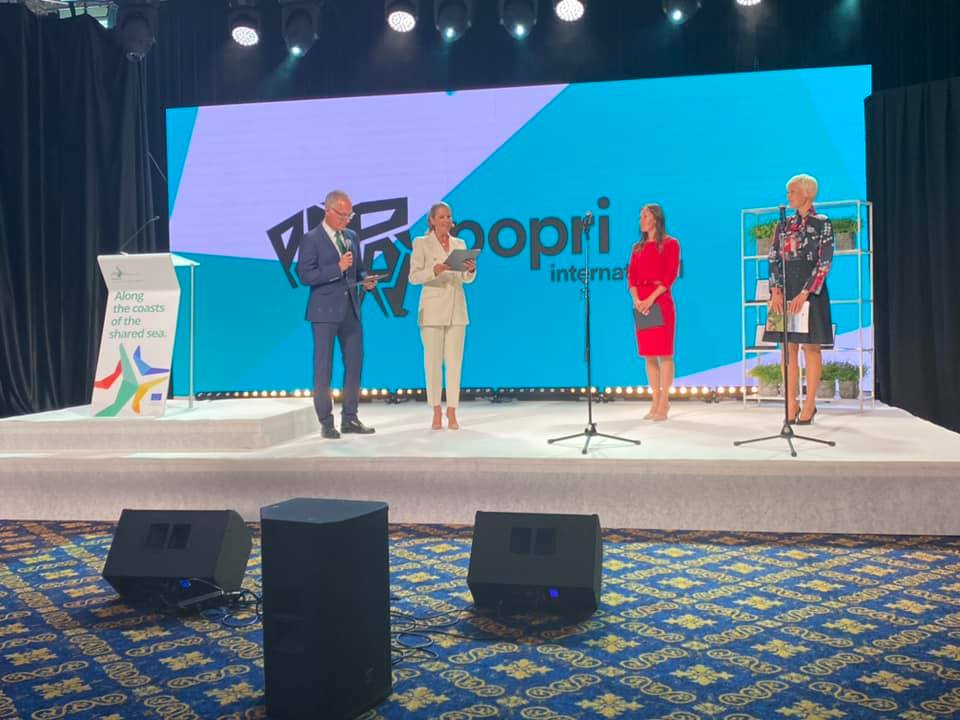
The director of Primorski tehnološki park, Tanja Kožuh, said: “From Slovenia alone, 134 teams participated in the competition, with a total of 344 competitors, 58 mentors and 62 organizations. Multiply these figures by the other eight EUSAIR countries and you get amazing numbers!”
A special recognition for the most creative “borderless idea” was given by the representatives of Nova Gorica and Gorizia as European Capital of Culture 2025. It was received by members of the Bioneers team from North Macedonia.
Young people have been identified in many discussions of the 6th EUSAIR Forum as the major victims of the Covid-19 epidemic and climate crisis, so it is all the more valuable that Albanian Foreign Minister Olta Xhacka emphasized that they will continue the good practice of the Slovene Presidency, which focused specifically on young people.
While Young POPRI was looking for ideas among the youngest, the most experienced and deserving for spreading the idea to other areas of public life and public good were rewarded with Windmills of Excellence and the honorary title of ambassadors of macro-regional strategy. Windmills of Excellence were awarded to: Mirjana Čagalj from Croatia, George Alexakis from Greece, Rosella Rusca from Italy, Milena Krasić from Montenegro and Bojana Cipot and Emilija Kastelic from Slovenia.
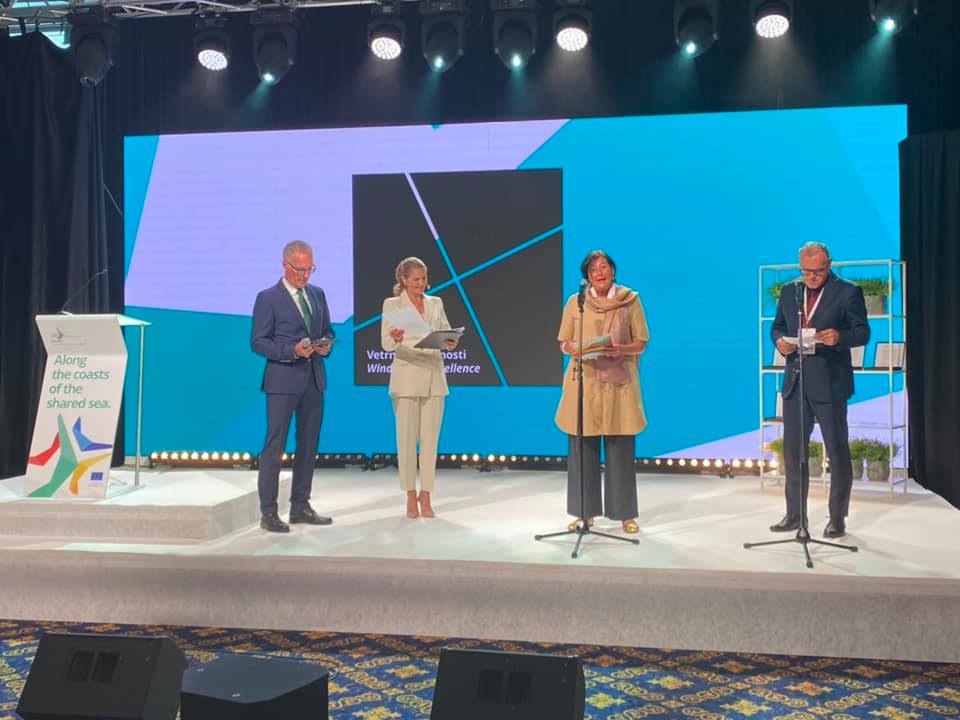
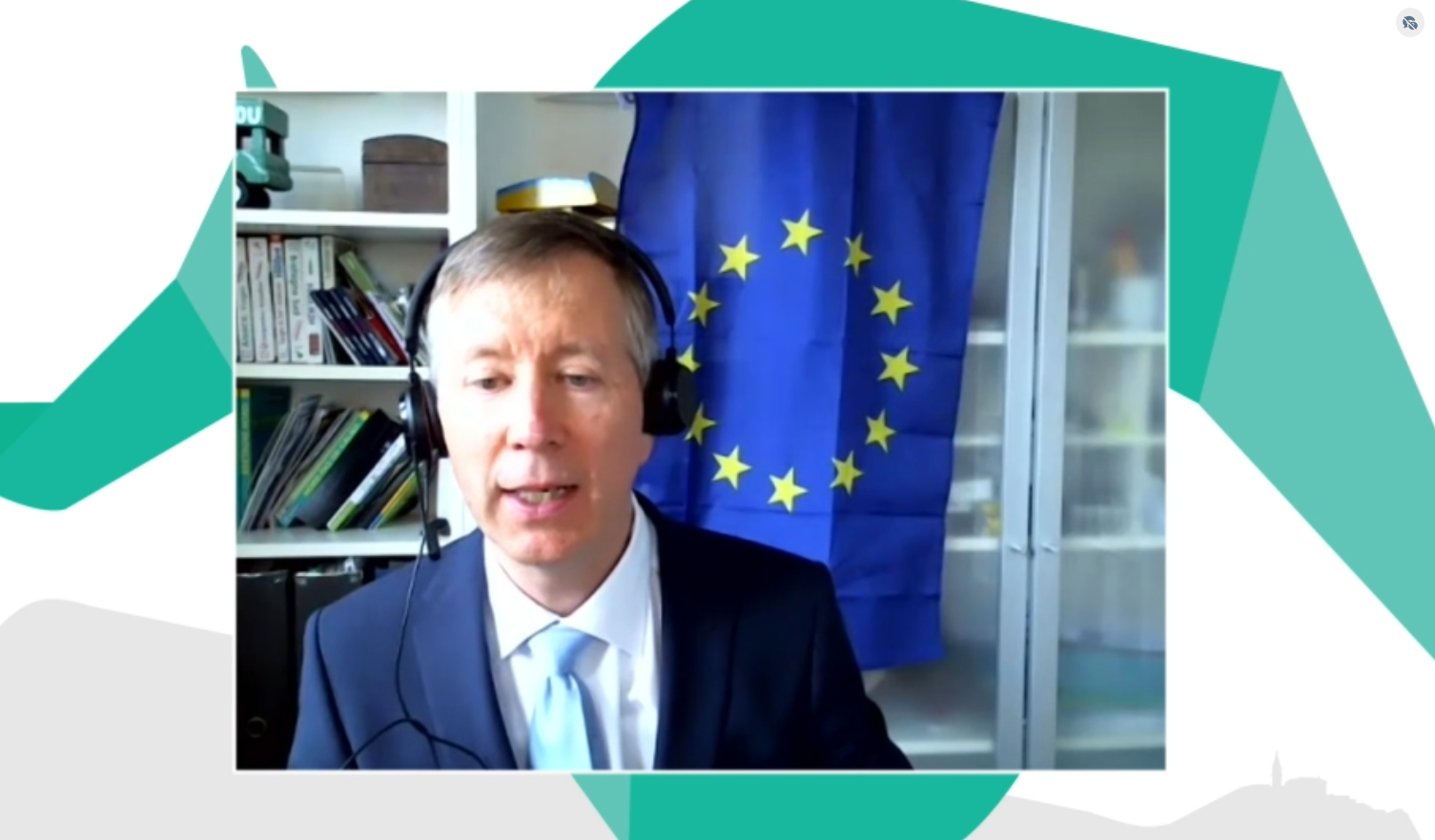
At the closing session, the achievements of the 6th Forum were summed up by Monika Kirbiš Rojs, State Secretary for Development and European Cohesion Policy, and Jean-Pierre Halkin, Head of the Macro-Regions Unit at the European Commission, who praised Slovenia’s contribution in concretising aims and methods of work during the presidency and commended on record-high reach of the 6th Forum with 5.500 participants, including 2.000 from younger generations.