20 May 2026
The final day of the 11th Annual EUSAIR Forum started strong with the 6th international POPRI EUSAIR Youth Competition, offering a remarkable platform for young visionaries to present their business models and contribute to positive societal change. It brought together the most promising future entrepreneurs from 10 countries to demonstrate how their entrepreneurial competencies can address the region’s most pressing challenges.
“I am immensely proud of all the participants. The entrepreneurial spirit and competencies they have shown prove that the youth in our region are the true drivers of change,” said Ms Tanja Kožuh, CEO of Primorska Technology Park.
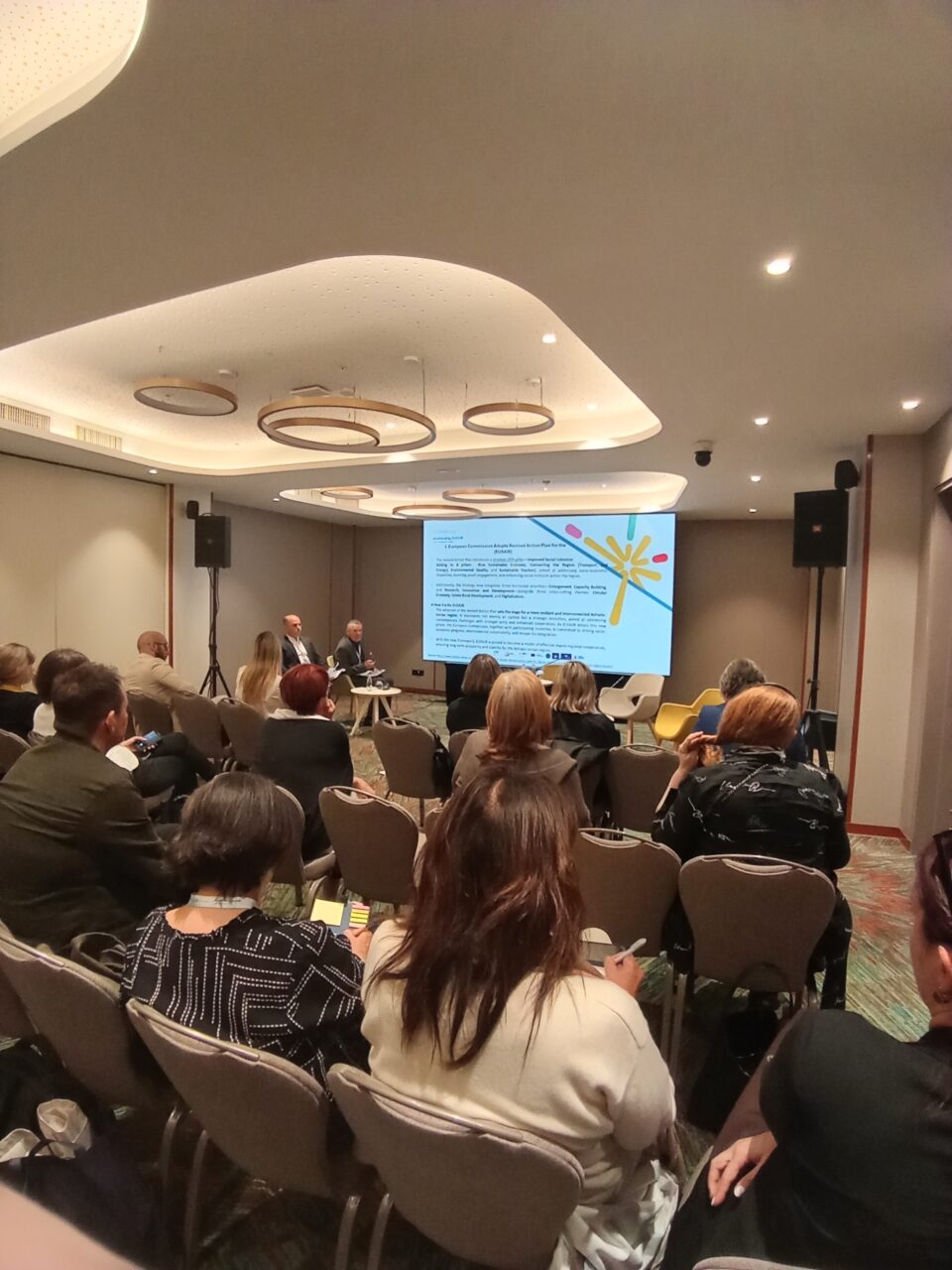
StEP and the Presidency joined forces in a two-part financial dialogue highlighting EUSAIR’s position in the EU and international funding, as well as an analysis of IPA III programmes. The key objectives of this panel were to launch the StEP Embedding Roadmap 2028–2034 and Advocacy paper in a call for action to the first group of stakeholders to commit to active embedding of EUSAIR priorities in national and transnational programmes, as well as to accelerate concrete commitments from international financial institutions and relevant private pipeline players to engage with the post-2027 EUSAIR Financial Facility in the efforts to create reliable projects built on strategic Flagships.
“We are proposing selection and assessment approaches, an approach for monitoring and traceability, funding pathway guidance, and cooperation and coordination,” added Ms Julia Curver from Nomisma.
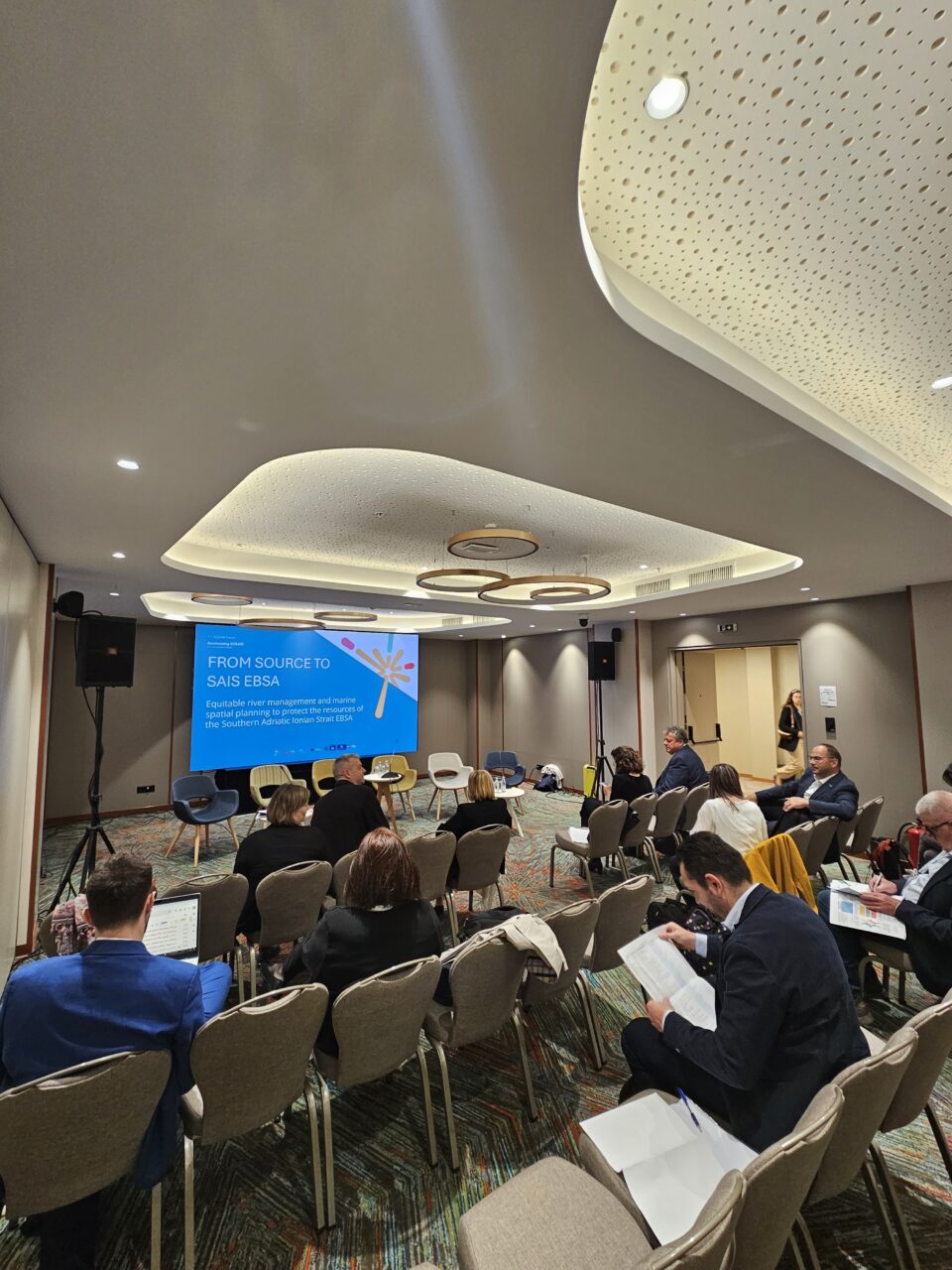
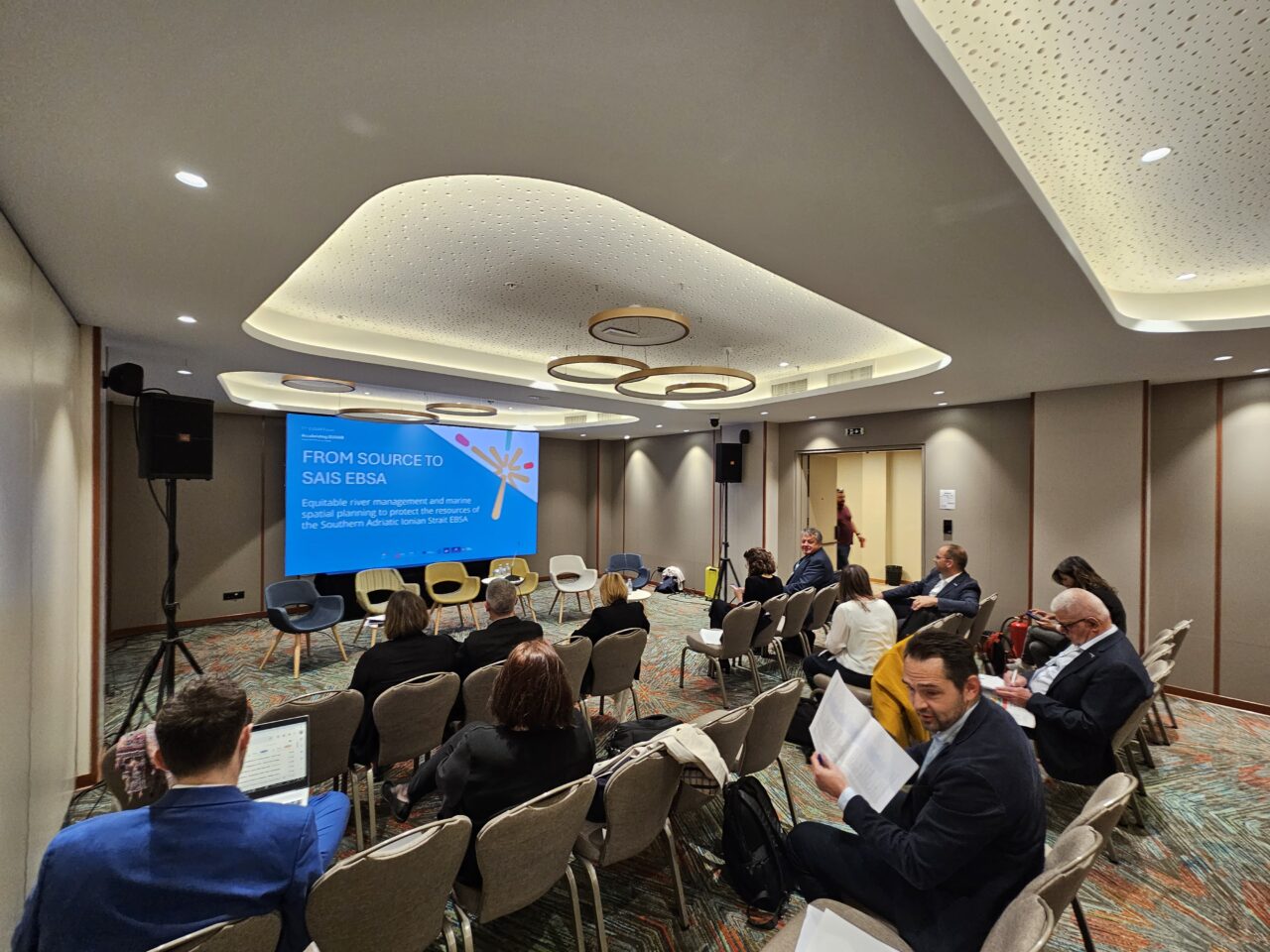
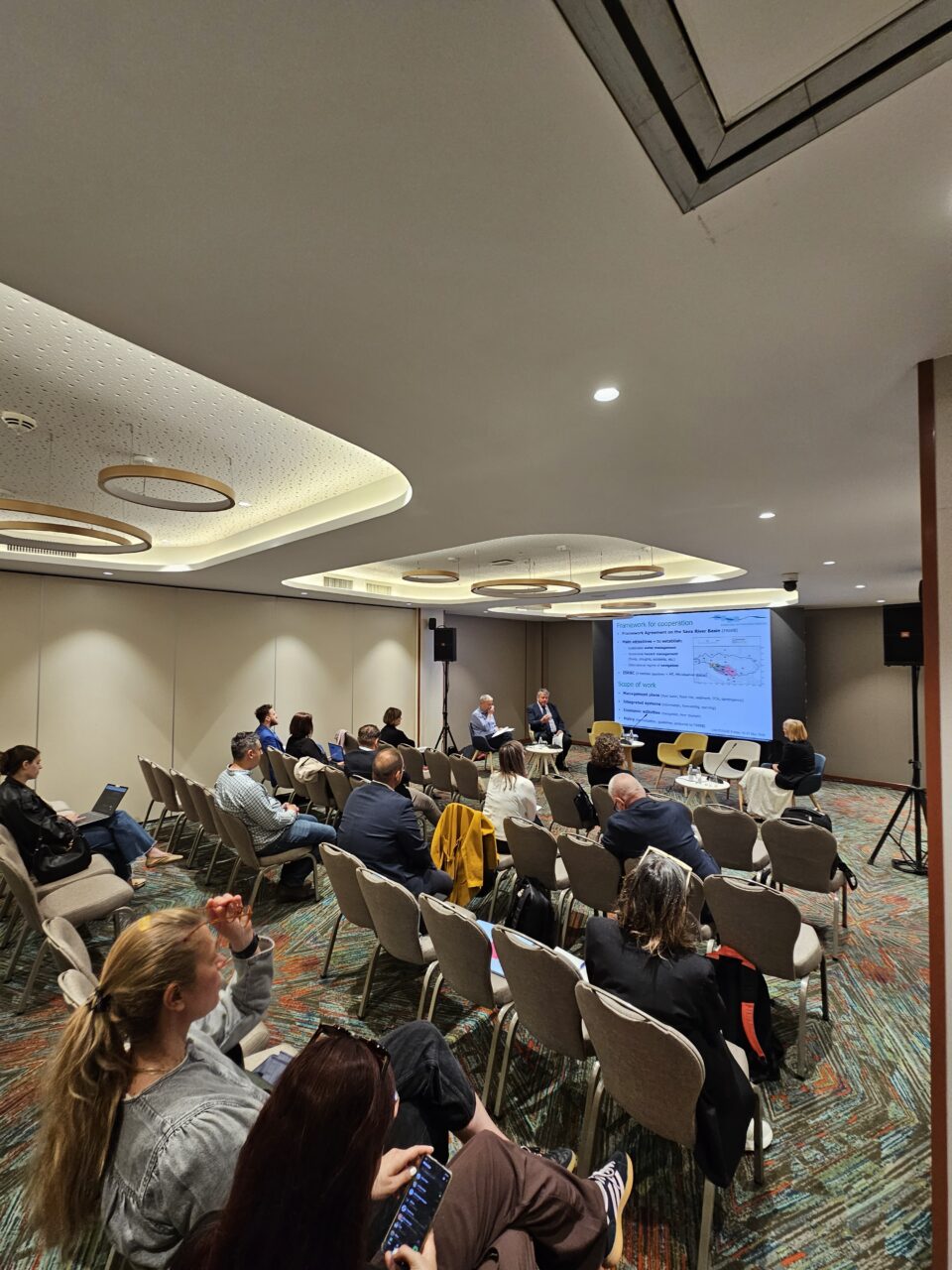
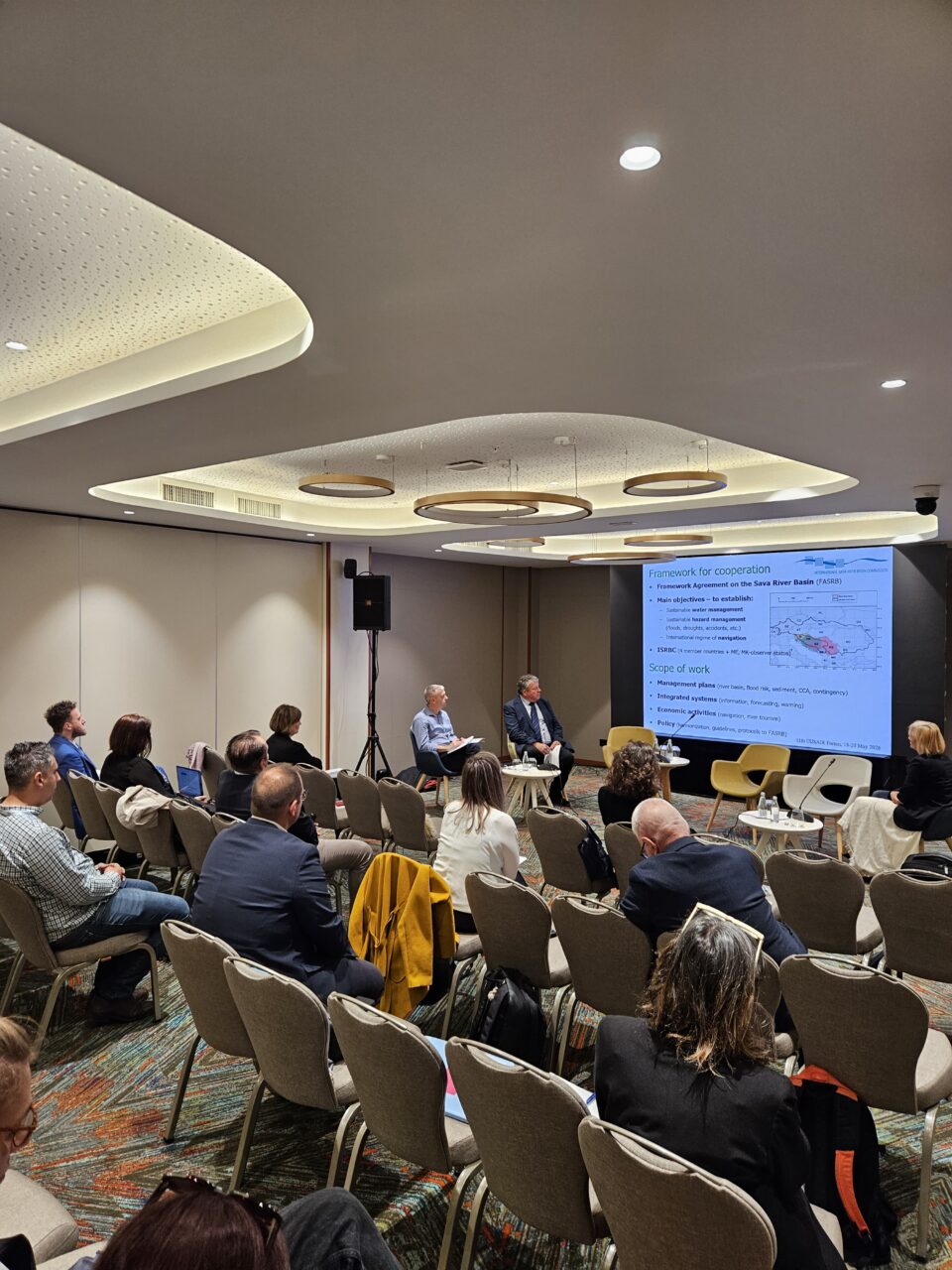
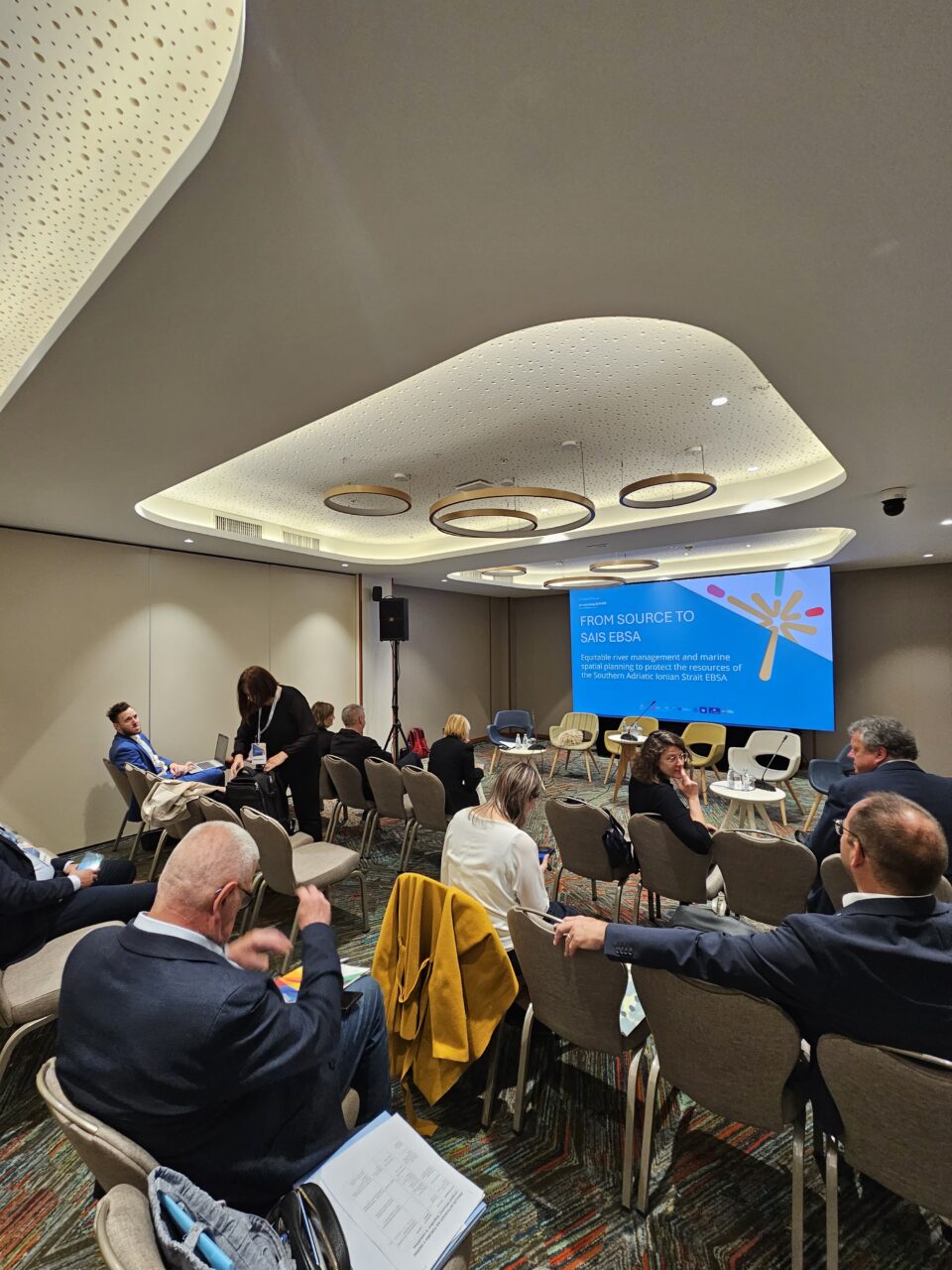
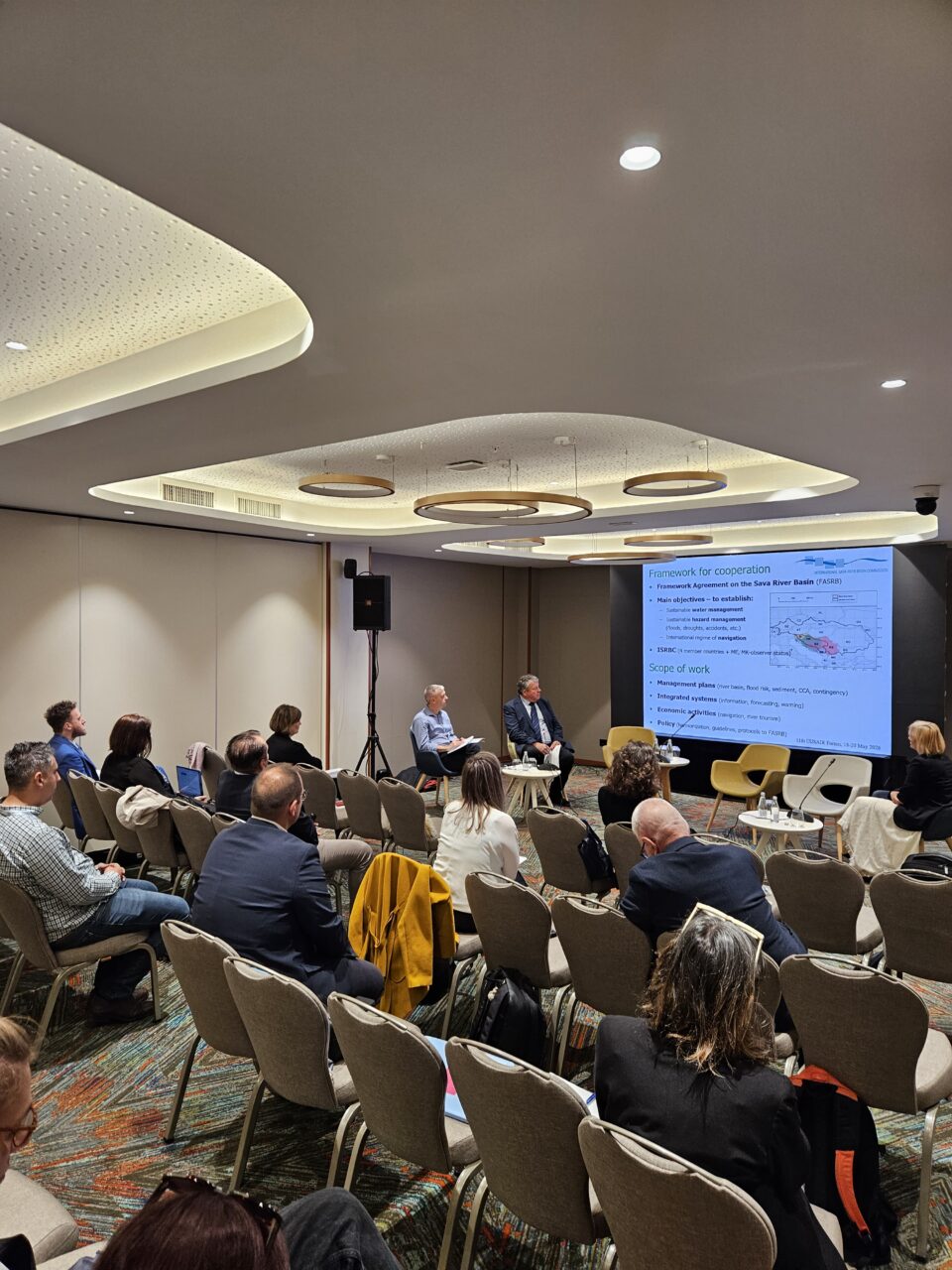
A panel on Marine Spatial Planning was held under Pillar 3 and presented the good practice model from the Sava River Basin (SRB), including the Sava Flood Forecasting and Warning System (SFFWS), as it is an example of regional cooperation enhancing climate resilience. Moreover, it illustrated how to operationalise SAIS EBSA within national MSP processes and and enhance regional cooperation to achieve the 2030 biodiversity and sustainability targets.
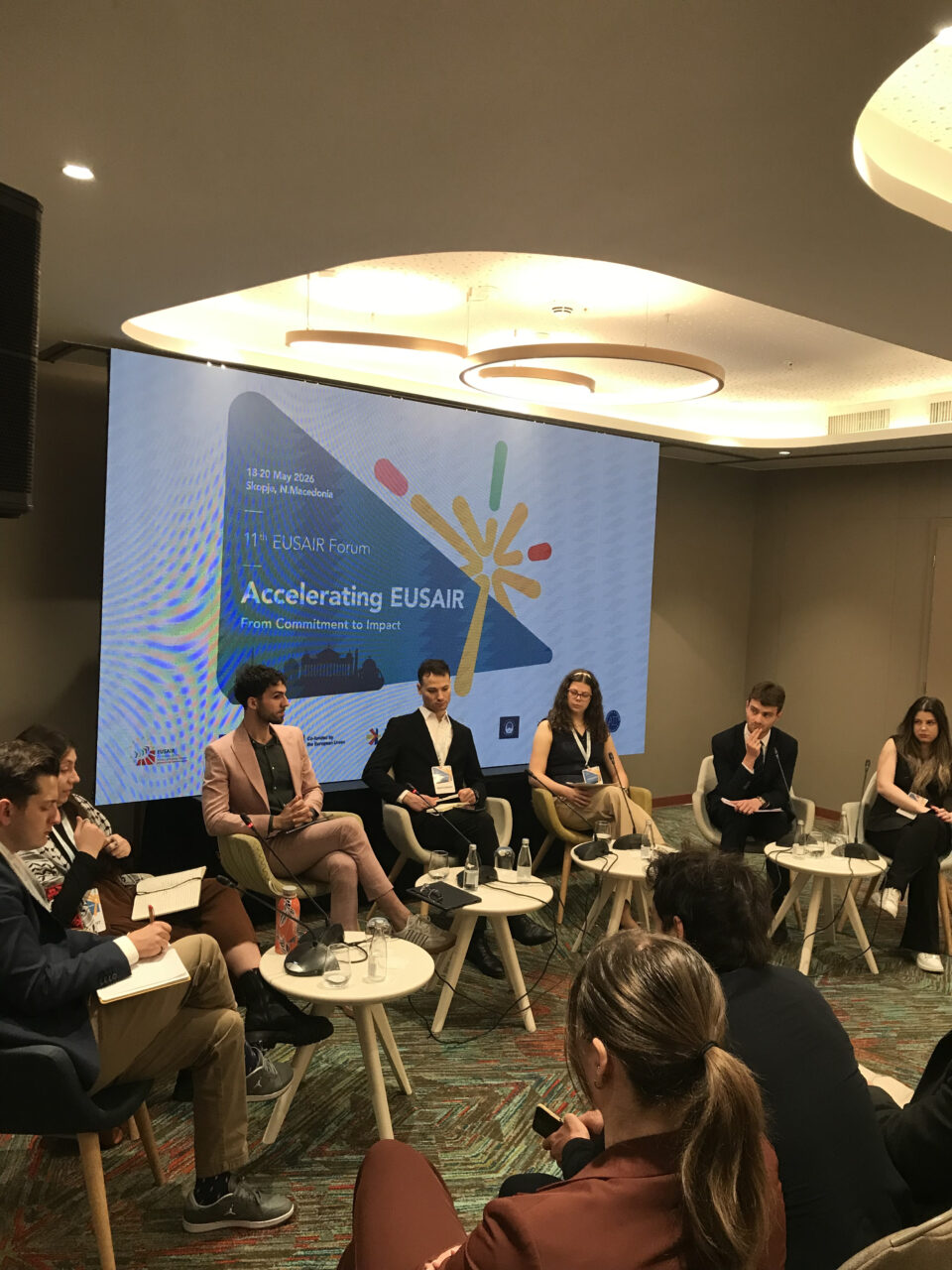
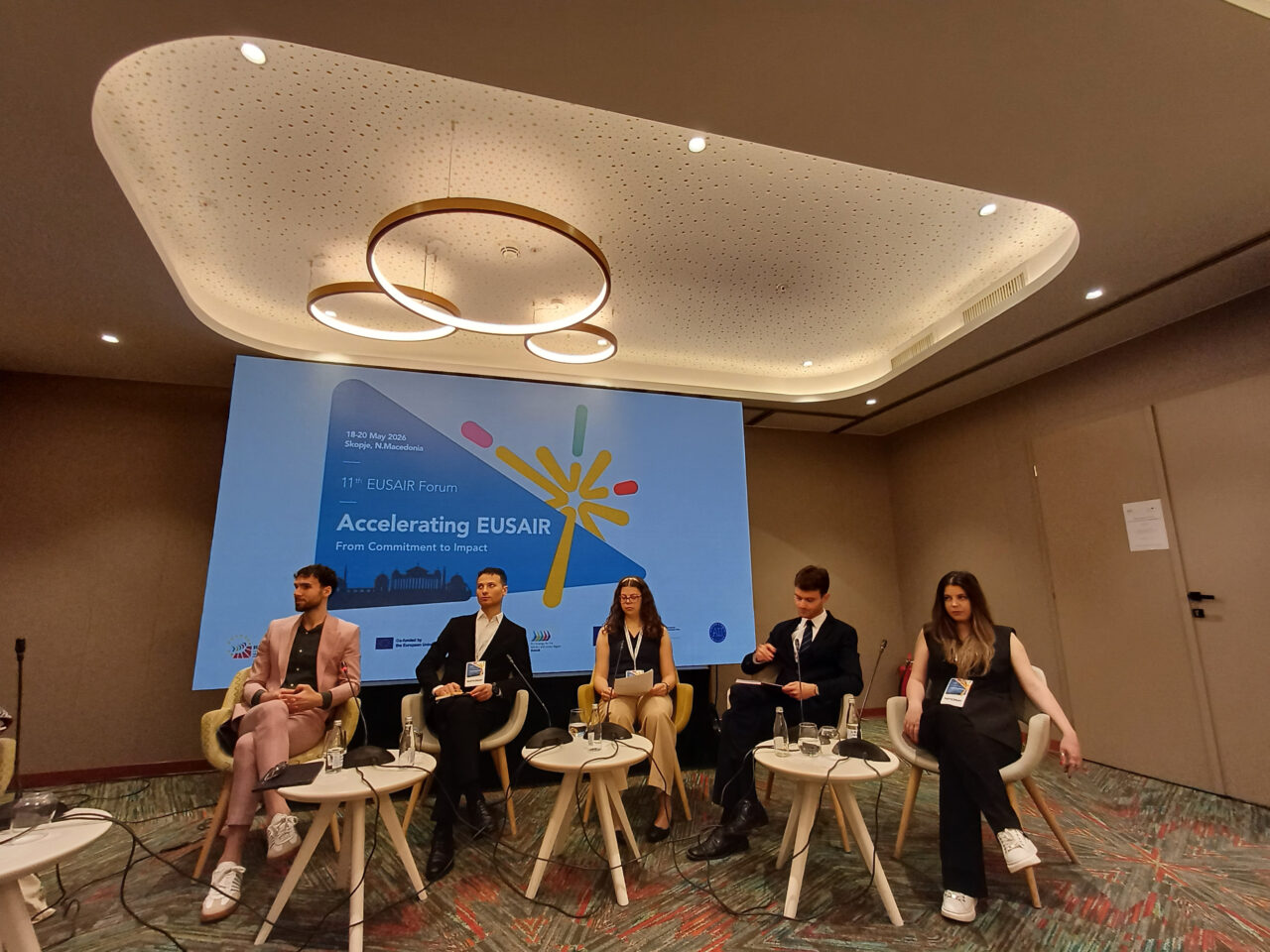
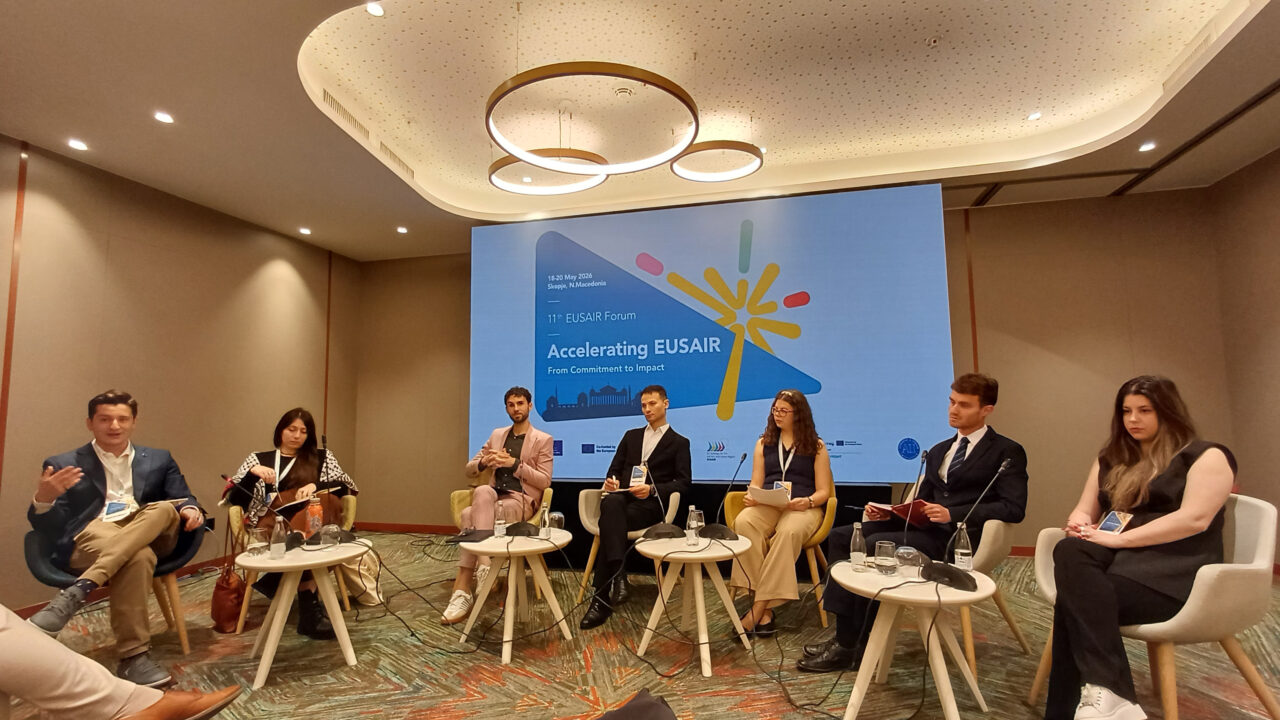
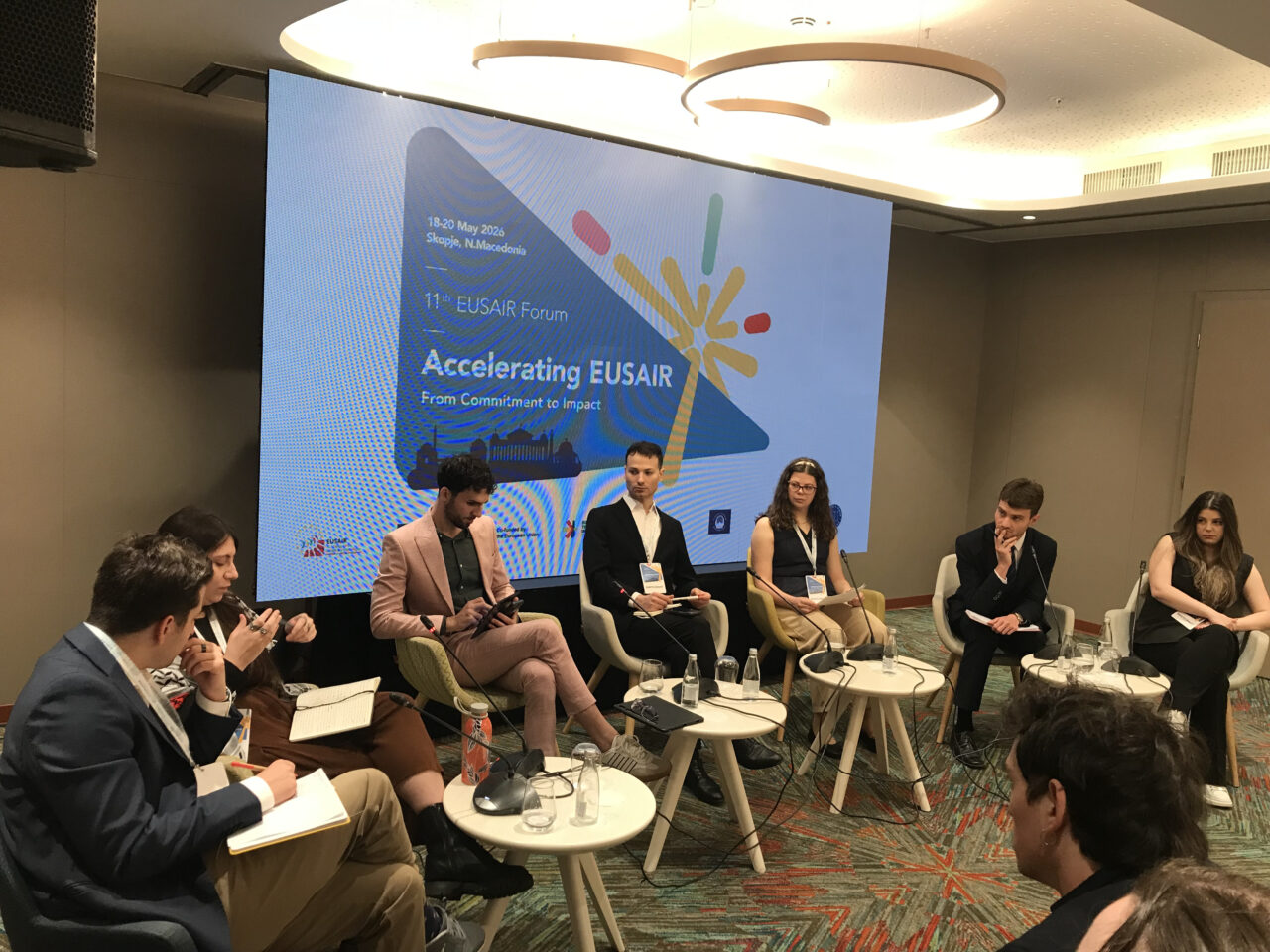
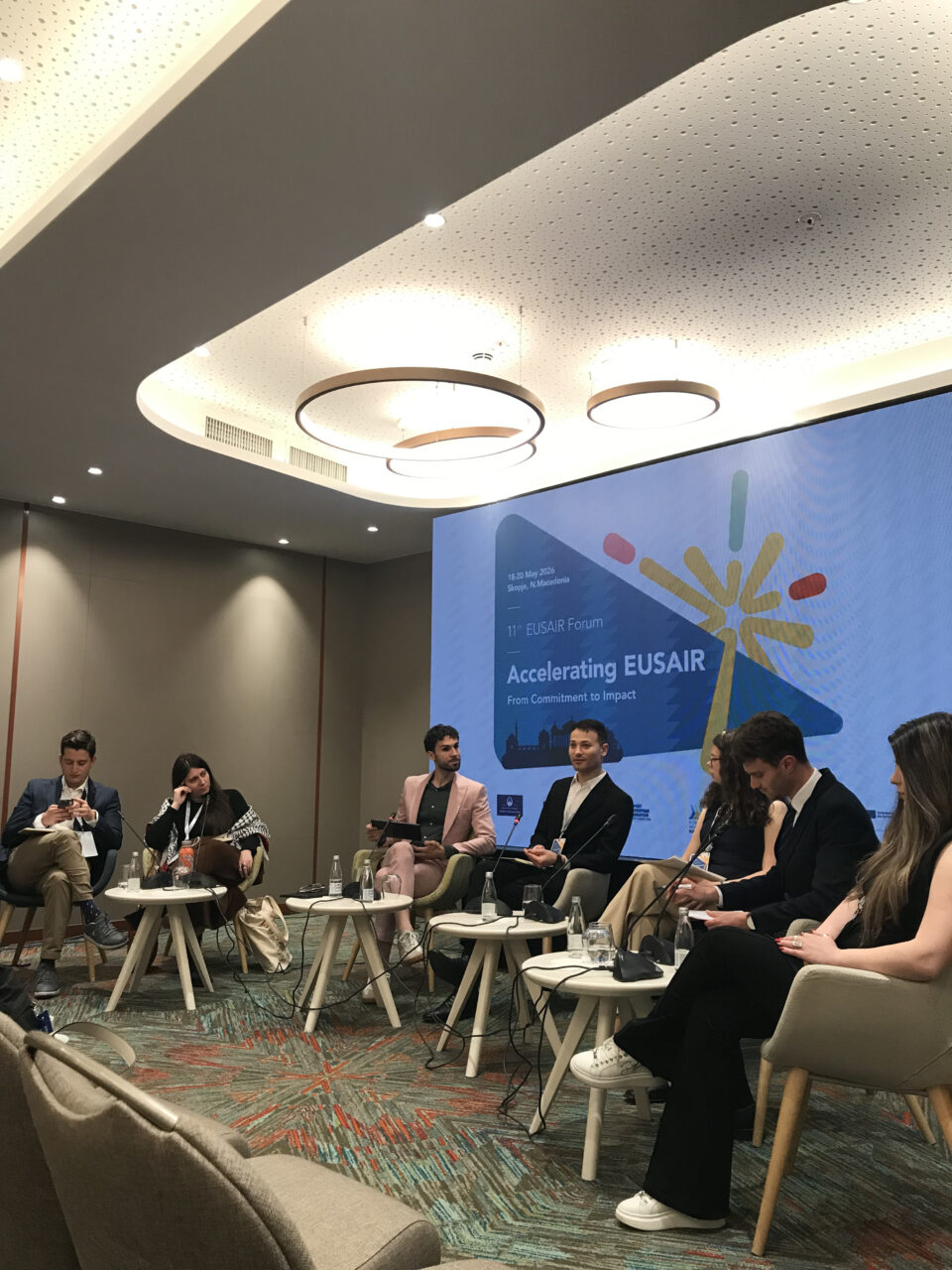
The EUSAIR Youth Council session explored how youth participation in EUSAIR can move beyond formal involvement toward meaningful influence in addressing key regional challenges and joined members from all four Youth Councils in an engaging debate. Simultaneously, a capacity-building workshop for communication experts was held to promote strategic storytelling and effective communication competencies on all levels of EUSAIR.
At EUSAIR’s Pillar 5 panel, participants were able to discuss how macro-regional cooperation can better align education systems with labour market needs, supporting younger generations in entrepreneurship, and replicating successful initiatives across the Region, with our pannellists from the European Commission, Technology Park Ljubljana, as well as young entrepreneurs. Participants were able to learn about tangible results from candidate countries in a panel by the Presidency, EUSAIR Facility Point and Centre of European Perspective, which identified key areas where EUSAIR support can be further strengthened, and engaged stakeholders in shaping future steps of the Region.
Ms Milica Stankić, a member of the EUSAIR #YouthCouncil, underlined the importance of the Strategy and its initiatives, especially for the Youth in the Region, highlighting the opportunity to share their ideas and have their voices heard as one of the main drivers of young generations joining.
Mr Mitja Bricelj from the Ministry of Natural Resources and Spatial Planning in Slovenia touched on the Blue economy, saying “You cannot deal seriously with the Blue economy if you do not maintain good ecological status of the water bodies. This is the future.”
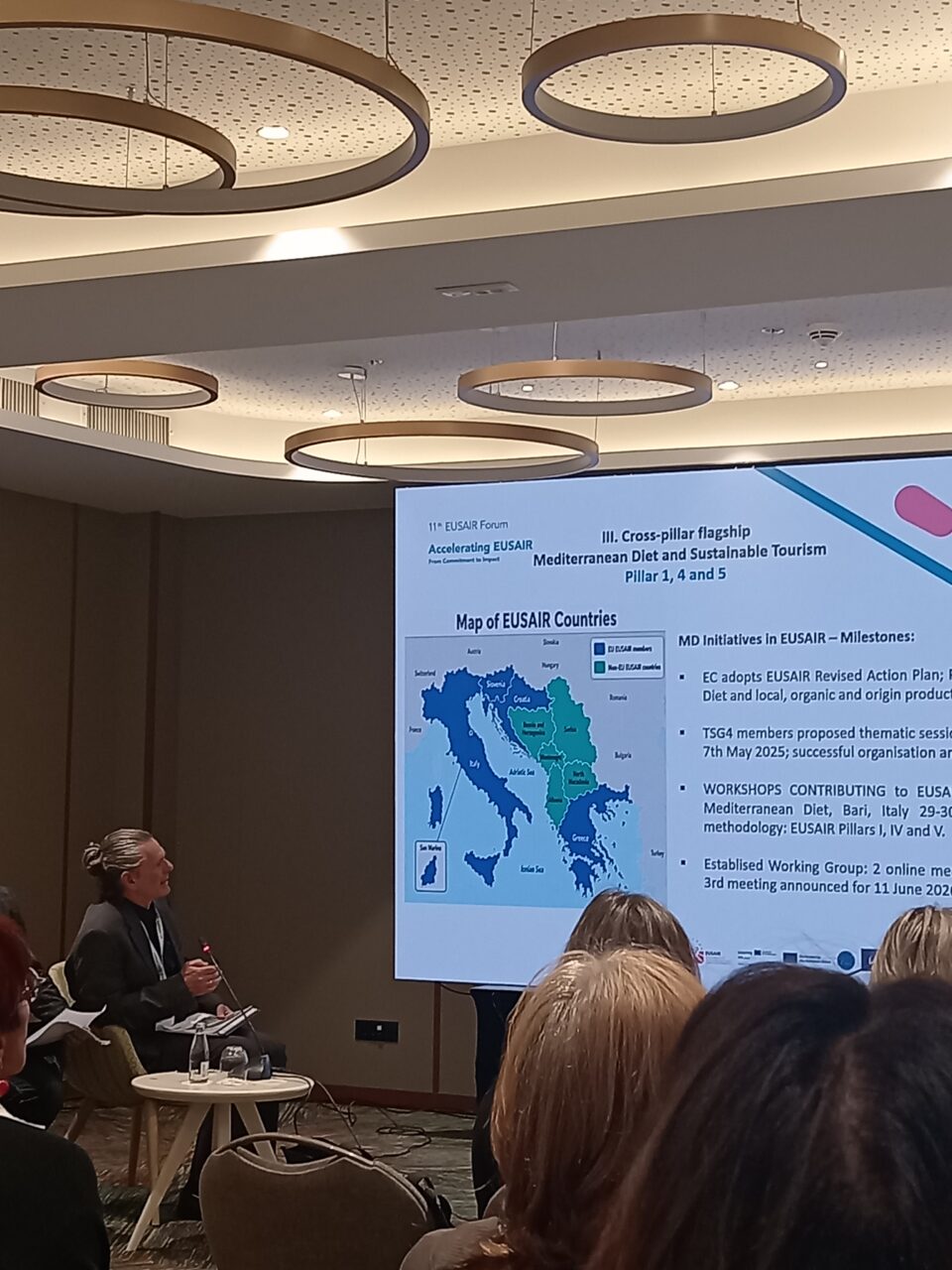
In the afternoon section, Pillar 4 presented its past activities and future plans, in their sustainable tourism panel, joining 3 panellists from Croatia, Greece, and Bosnia and Herzegovina, and allowing for a youth perspective with participation from the EUSAIR Youth Council member. Panellists took a stance on Mediterranean Diet as more than a food model: It is a living cultural practice rooted in sustainability, community life and knowledge passed down across generations.
The Adriatic-Ionian region has real conditions to become one of Europe’s leading sustainable multi-destination areas, but only through genuine cross-country cooperation, not parallel national efforts.
This kind of regional approach brings concrete gains:
- less dependence on peak-season tourism
- more even distribution of revenue across destinations
- better transport links and physical accessibility
- a shared regional identity that gives travelers a reason to stay longer and travel further
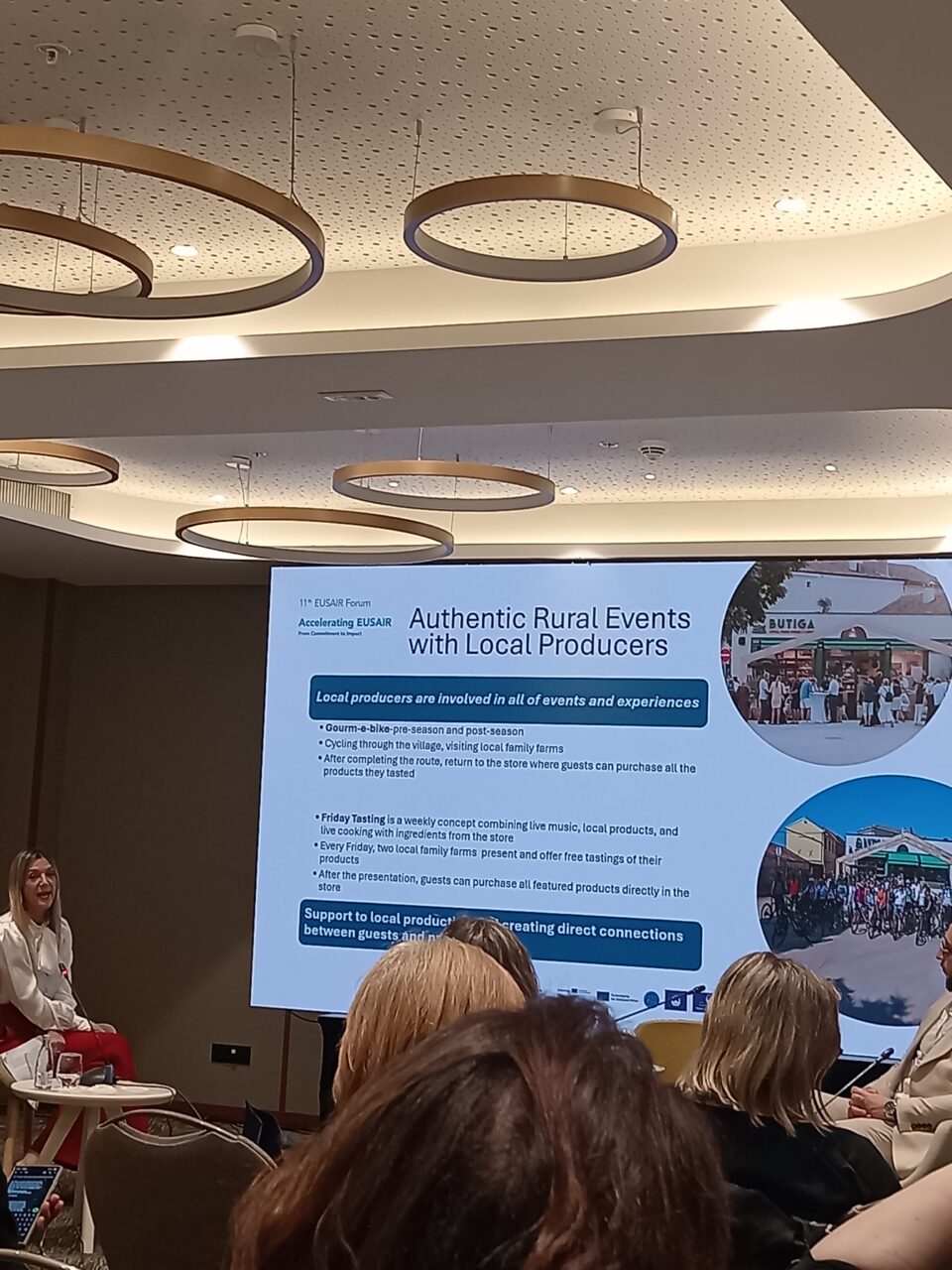
Touching on sustainable rural tourism, the panellists highlighted that authenticity and a clear local identity aren’t soft values, but rather what makes rural tourism models both distinctive and replicable. Sustainable rural tourism grows from strong local initiative, community cooperation and a long-term vision that people actually share, not one imposed from outside. Supporting local producers is part of this logic: It preserves tradition, keeps quality high and gives visitors something they can’t find anywhere else.
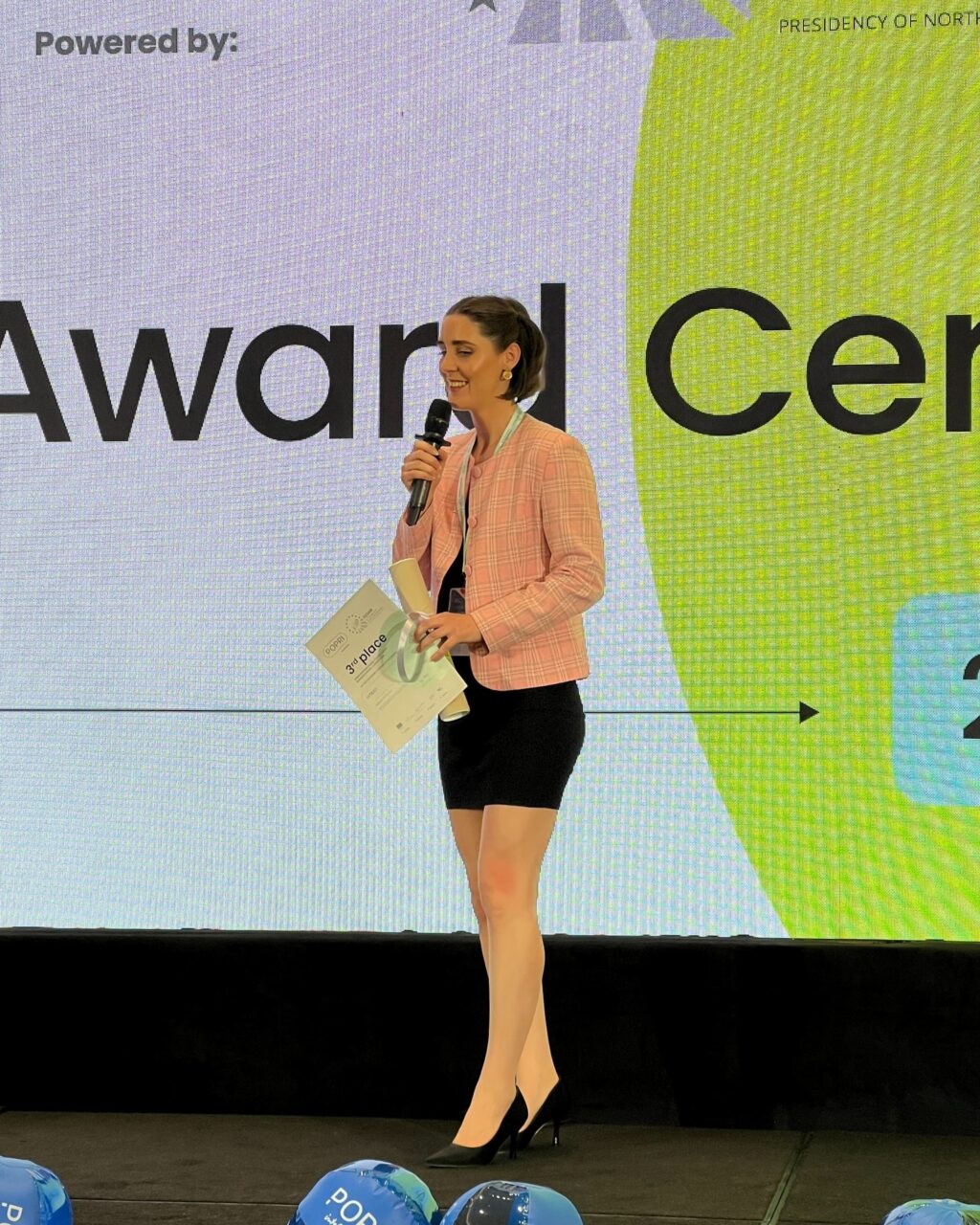
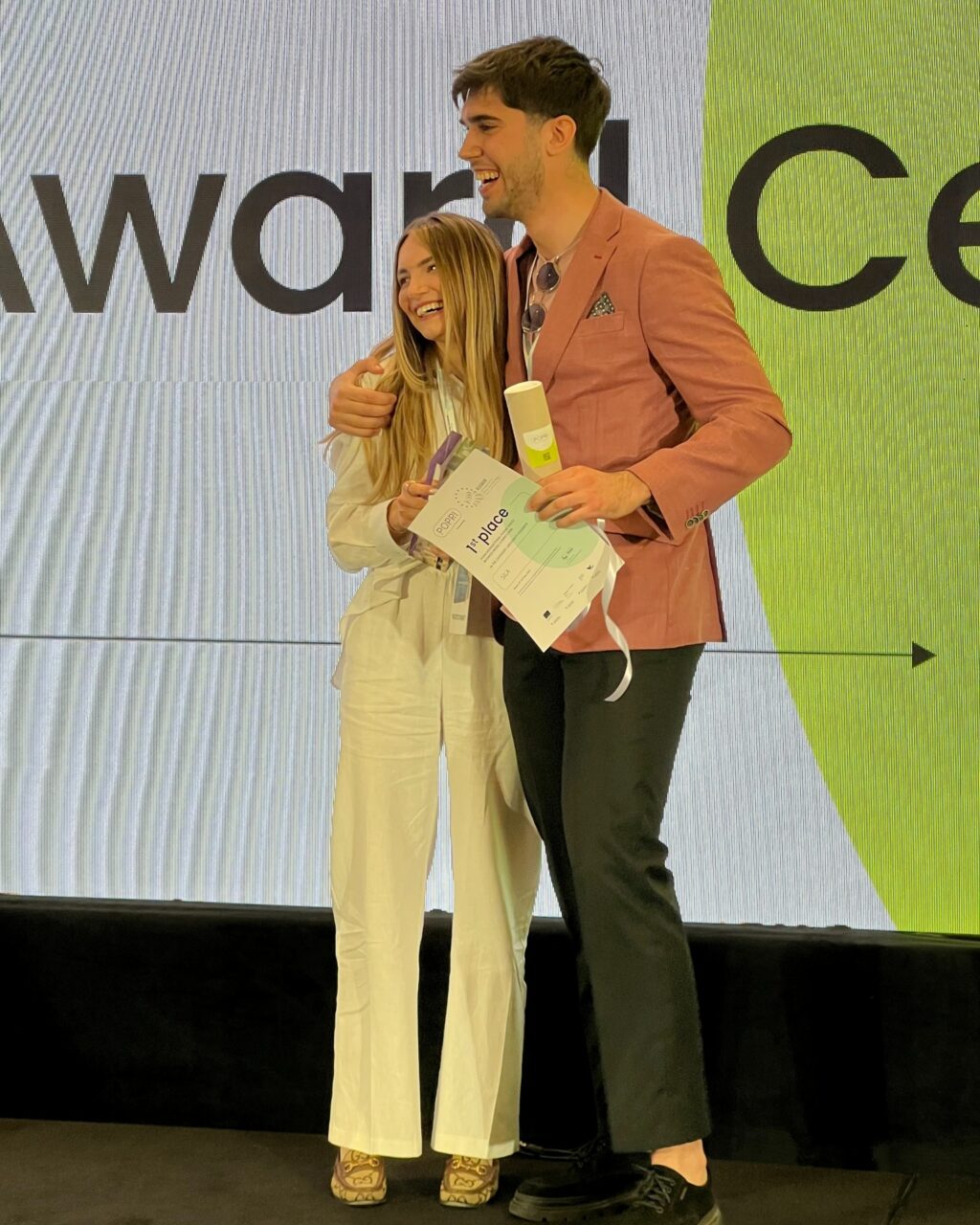
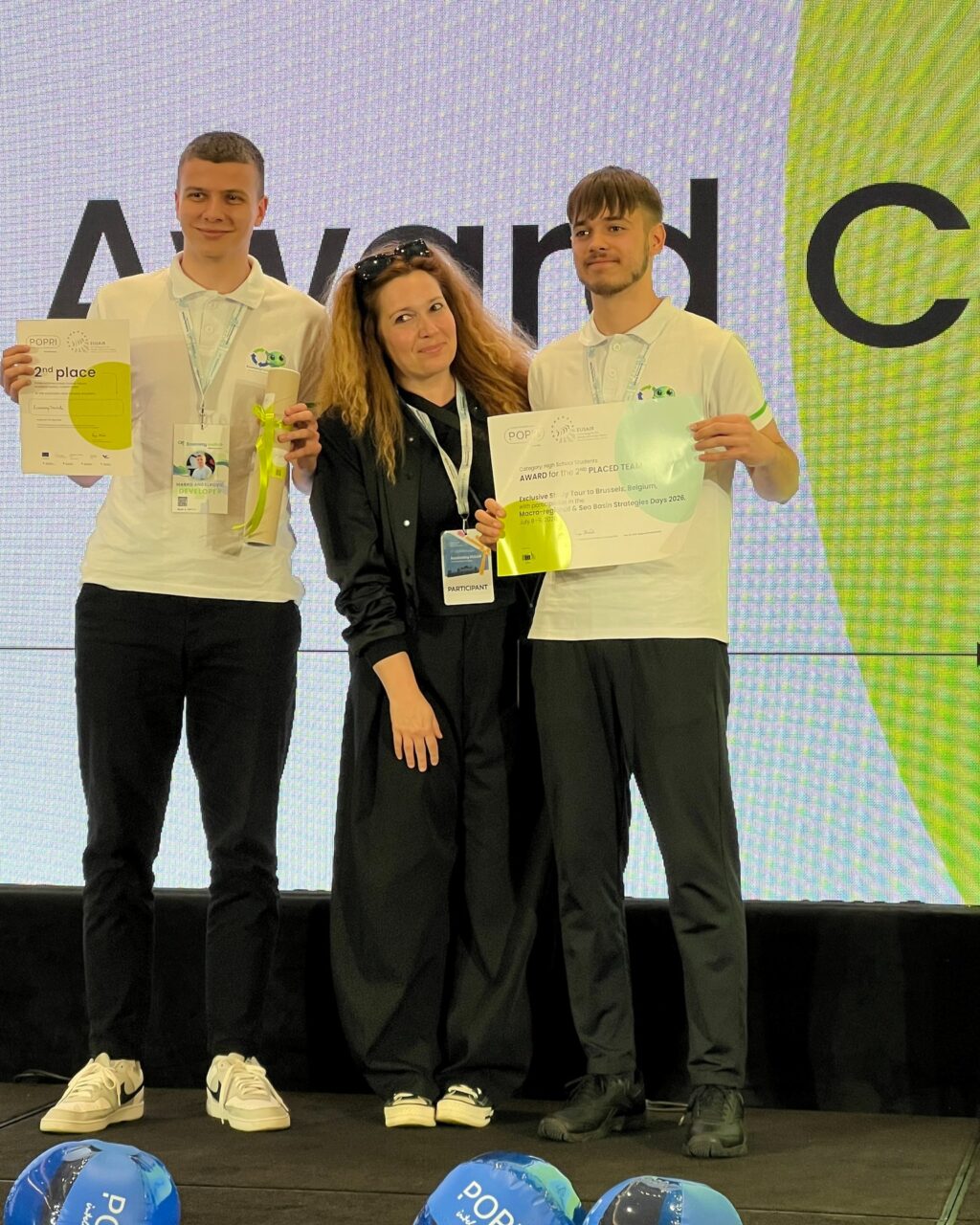
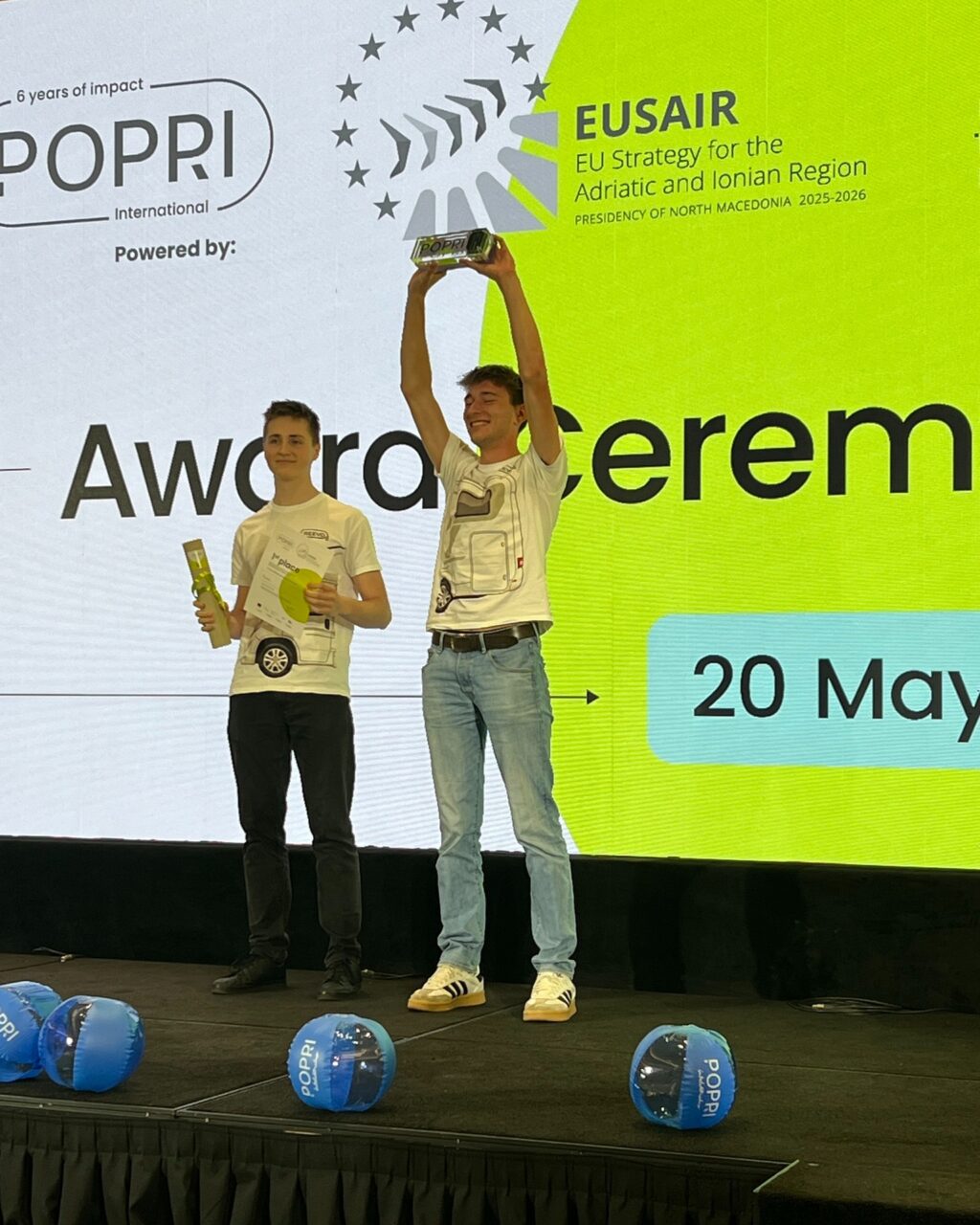
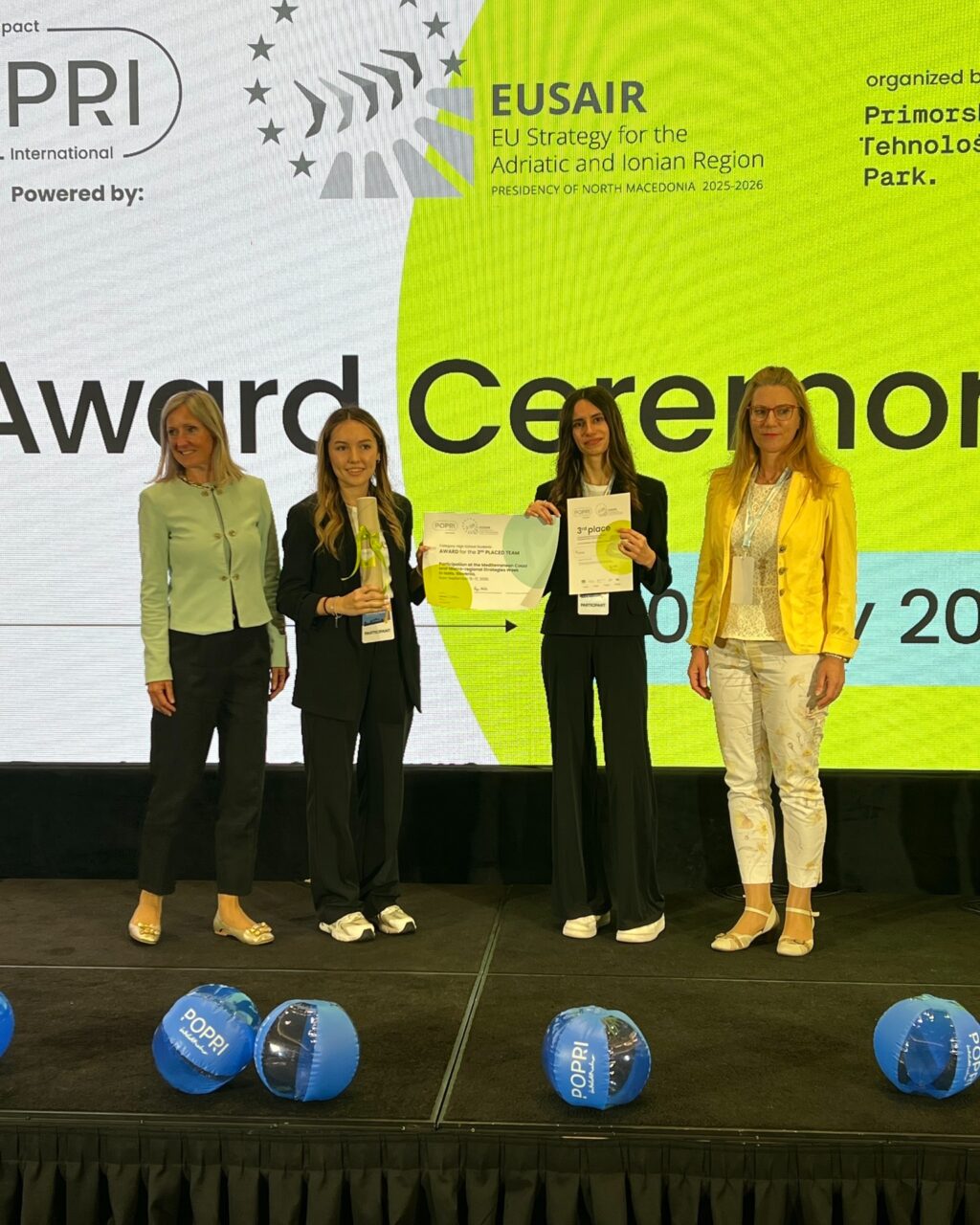
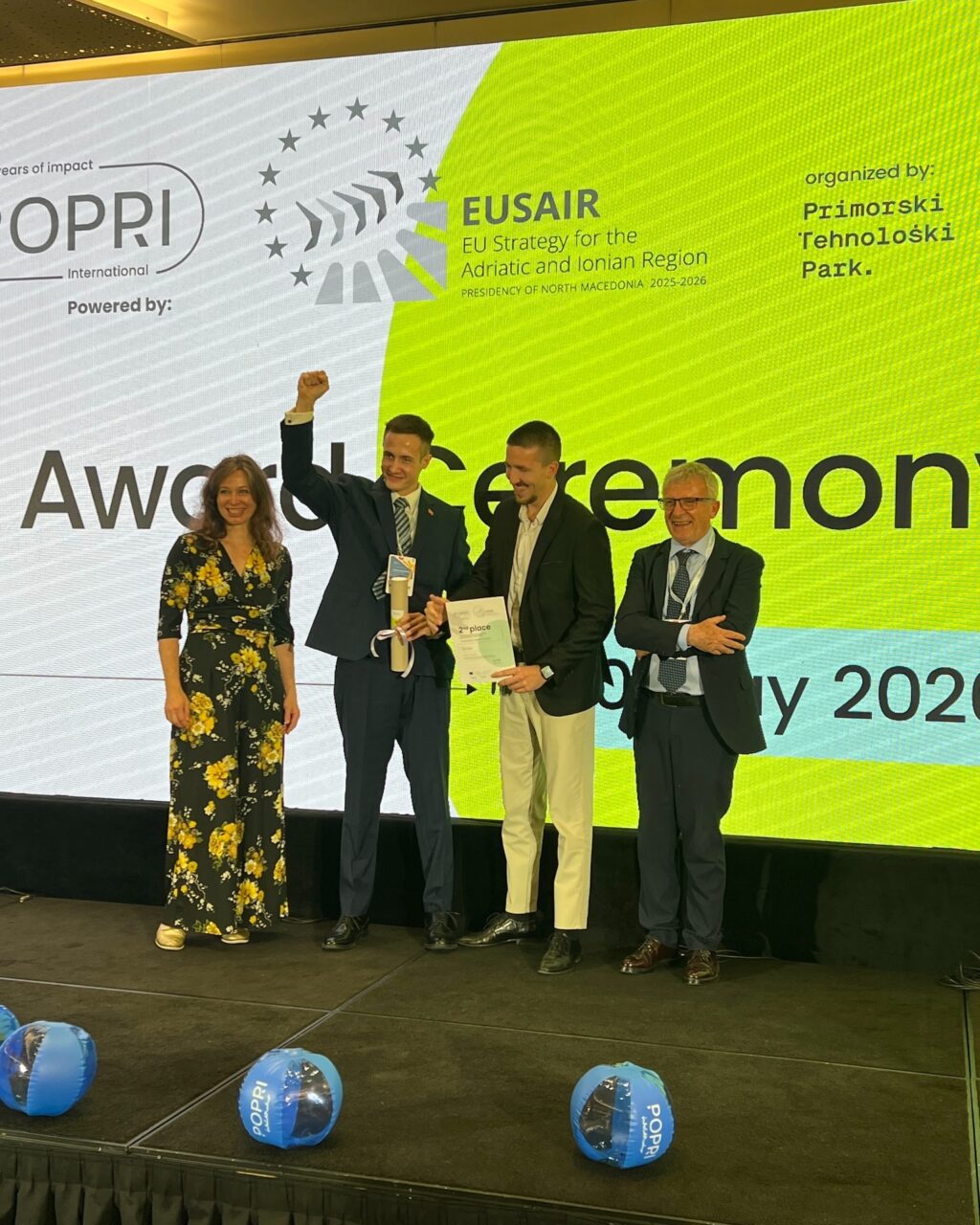
Concluding the event, POPRI held their Youth Award ceremony and announced their winners:
HIGH SCHOOL CATEGORY
– 1st Place: Reevo (Slovenia)
– 2nd Place: EconomySwitch (Serbia)
– 3rd Place: Fleeve (Italy)
UNIVERSITY STUDENTS CATEGORY
– 1st Place: SILA (Serbia)
– 2nd Place: SeaSense (Montenegro)
– 3rd Place: Nitrio (Slovenia)
Ms Gaby Hagmüller, Programme Manager at the European Commission, elaborated: “You are not only the leaders of tomorrow—you are already shaping today. And this is exactly what the Adriatic-Ionian Strategy is about: connecting people across the region, because that is where real progress begins. If we look at your ideas, the future looks very bright.”