Adriatic-Ionian > News > Thematic session: Connecting the Region: Transport (Pillar 2) – The impact of Covid-19 on Transport and Mobility in the Adriatic-Ionian Region: current impacts, views and perspectives for the future
Thematic session: Connecting the Region: Transport (Pillar 2) – The impact of Covid-19 on Transport and Mobility in the Adriatic-Ionian Region: current impacts, views and perspectives for the future
28. January, 2021
Since the beginning of the Covid 19 pandemic (March 2020) passenger transport in the Adriatic-Ionian region has dropped down by 90%-95% (intercity transport), while freight transport has maintained levels close to the pre-crisis period, due to an increase of urban deliveries and food and pharmaceutical freight distribution.
The session represented occasion to present lessons learned to this date and challenges for the coming post-Covid 19 period. EU Member States as well as the Western Balkan countries have been affected by transport restrictions resulting in financial difficulties from most transport companies. Weaknesses in the EUSAIR region can be summarised as follows:
a) the EUSAIR region relies too much on road transport,
b) border crossing points suffer from a lack of coordination between EU Member States and non-EU ones,
c) cross-border infrastructures are sub-optimal.
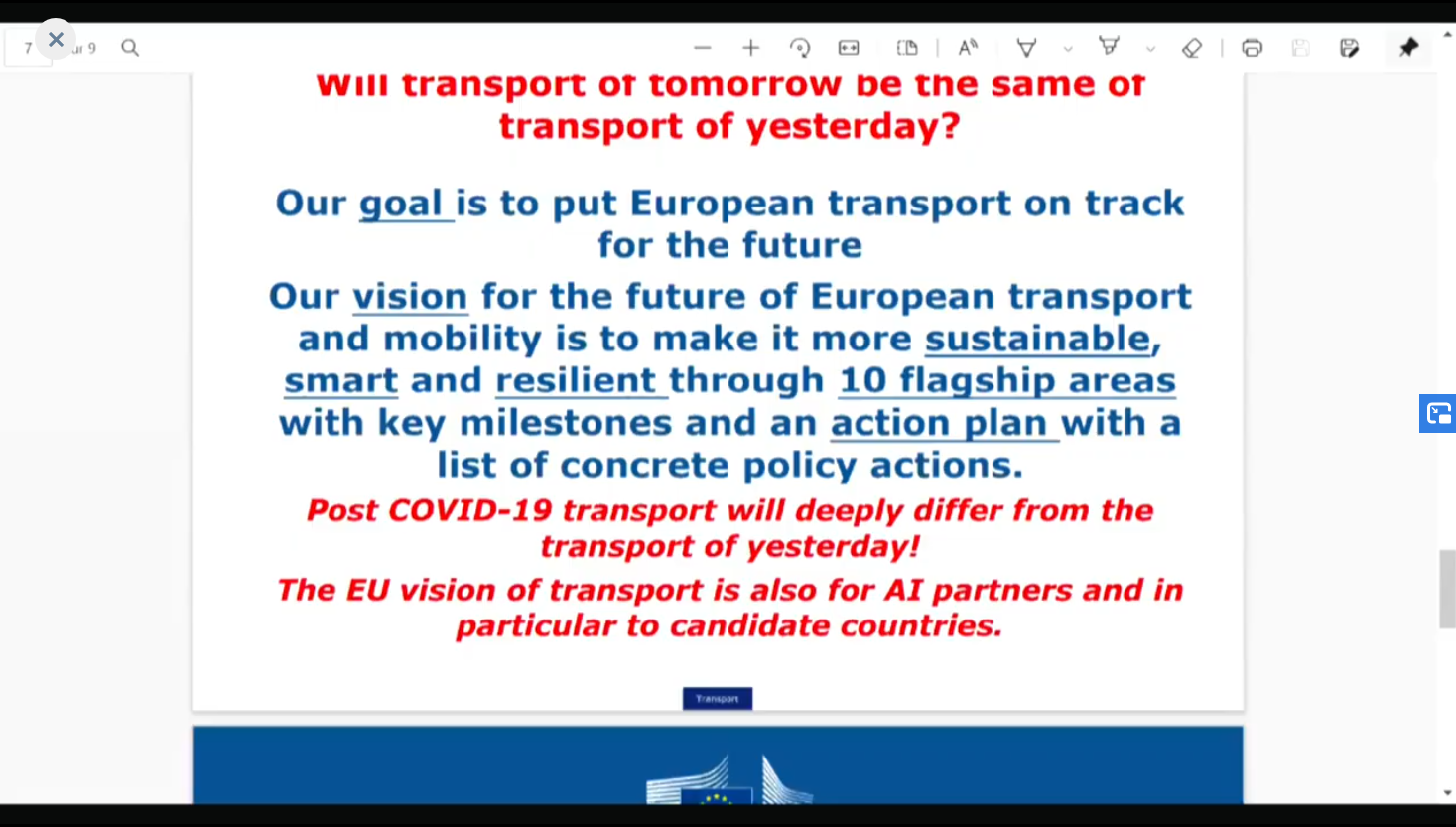
In this context, EUSAIR countries shall ensure connections and complementarity between large scale projects, actions and regional initiatives. The potential needs and gaps at regional level have to be monitored and a focus shall be put on smart and innovative transport. In December 2020, EU adopted the Sustainable Mobility Strategy, which is in line with the European Green Deal. In this context, Western Balkans will follow these strategic objectives hand in hand with EU Member States.
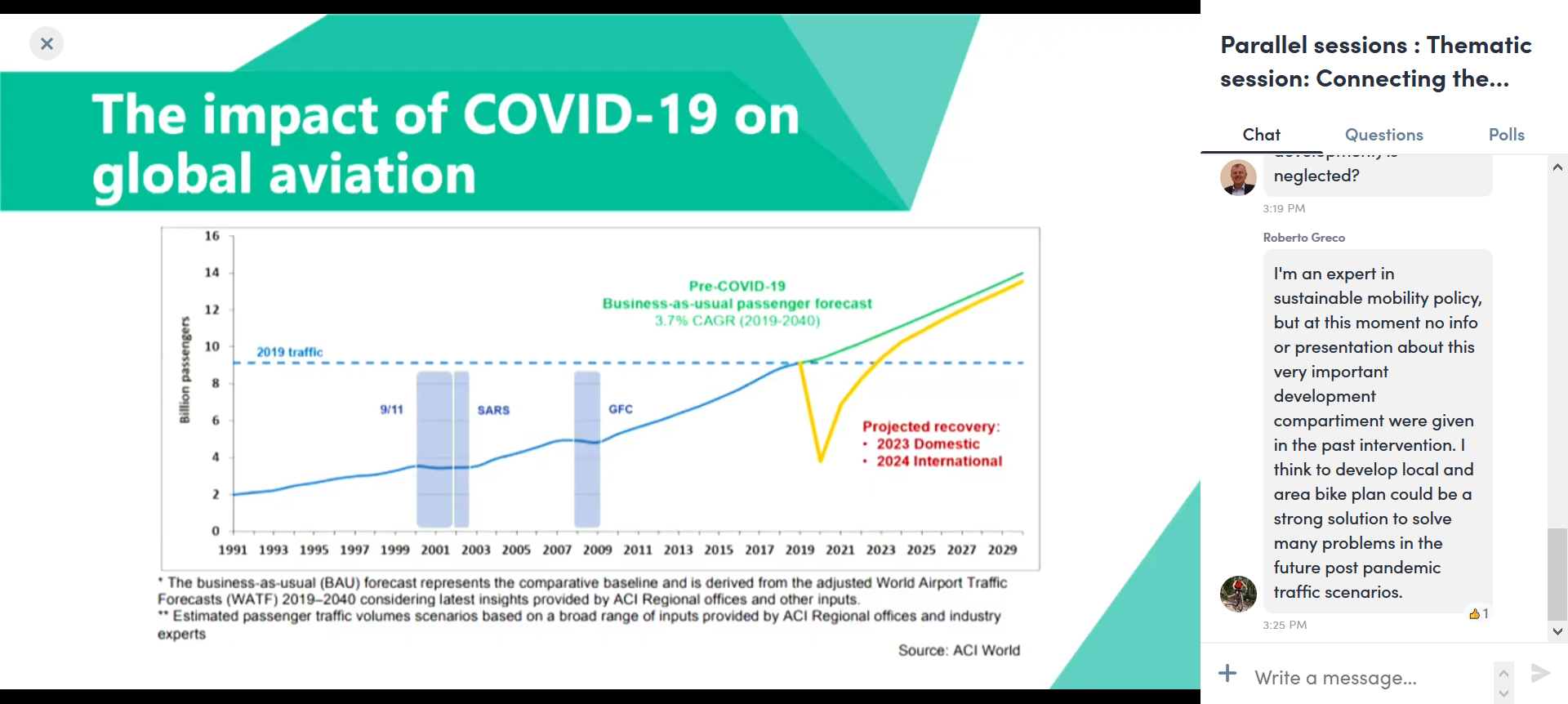
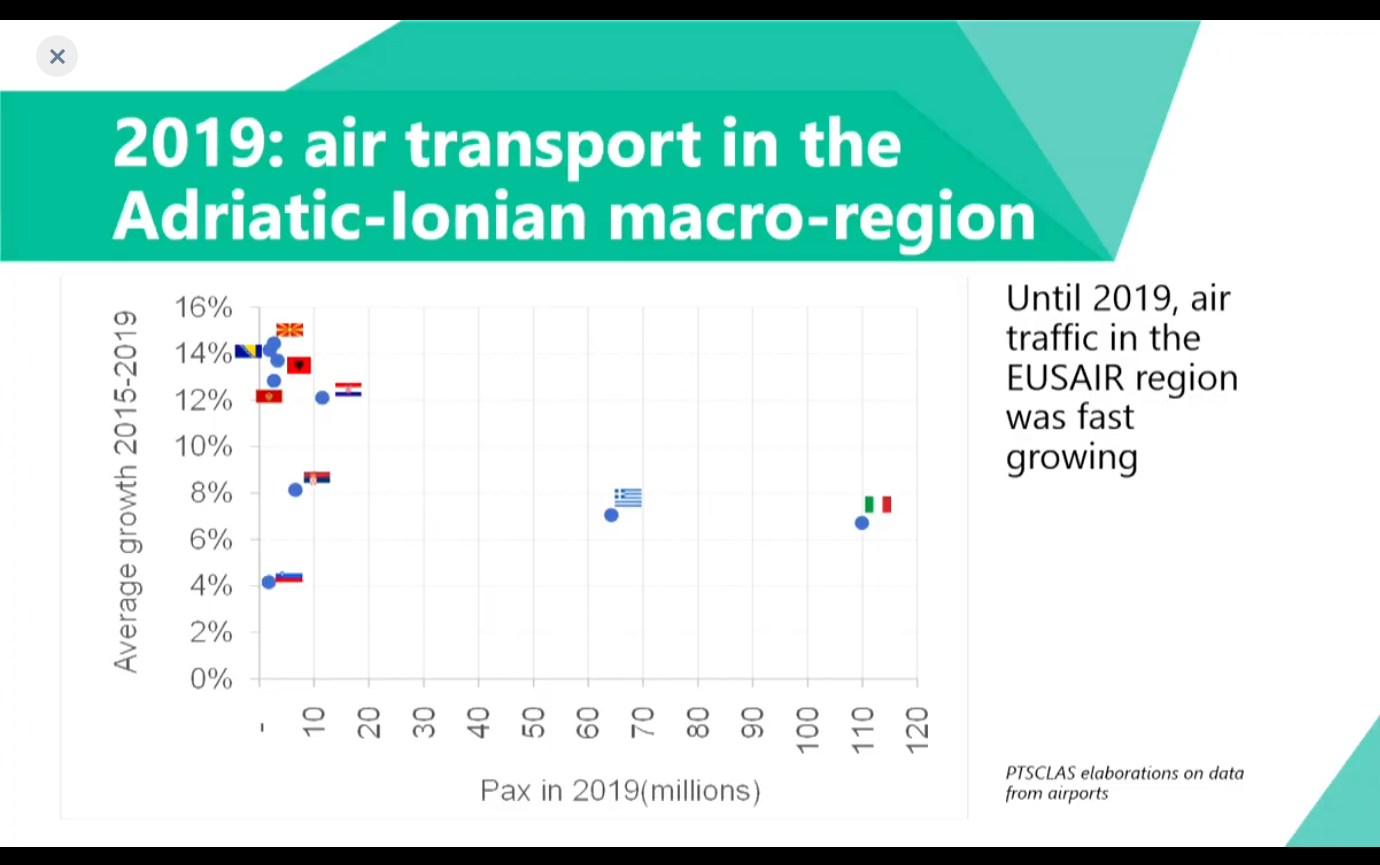
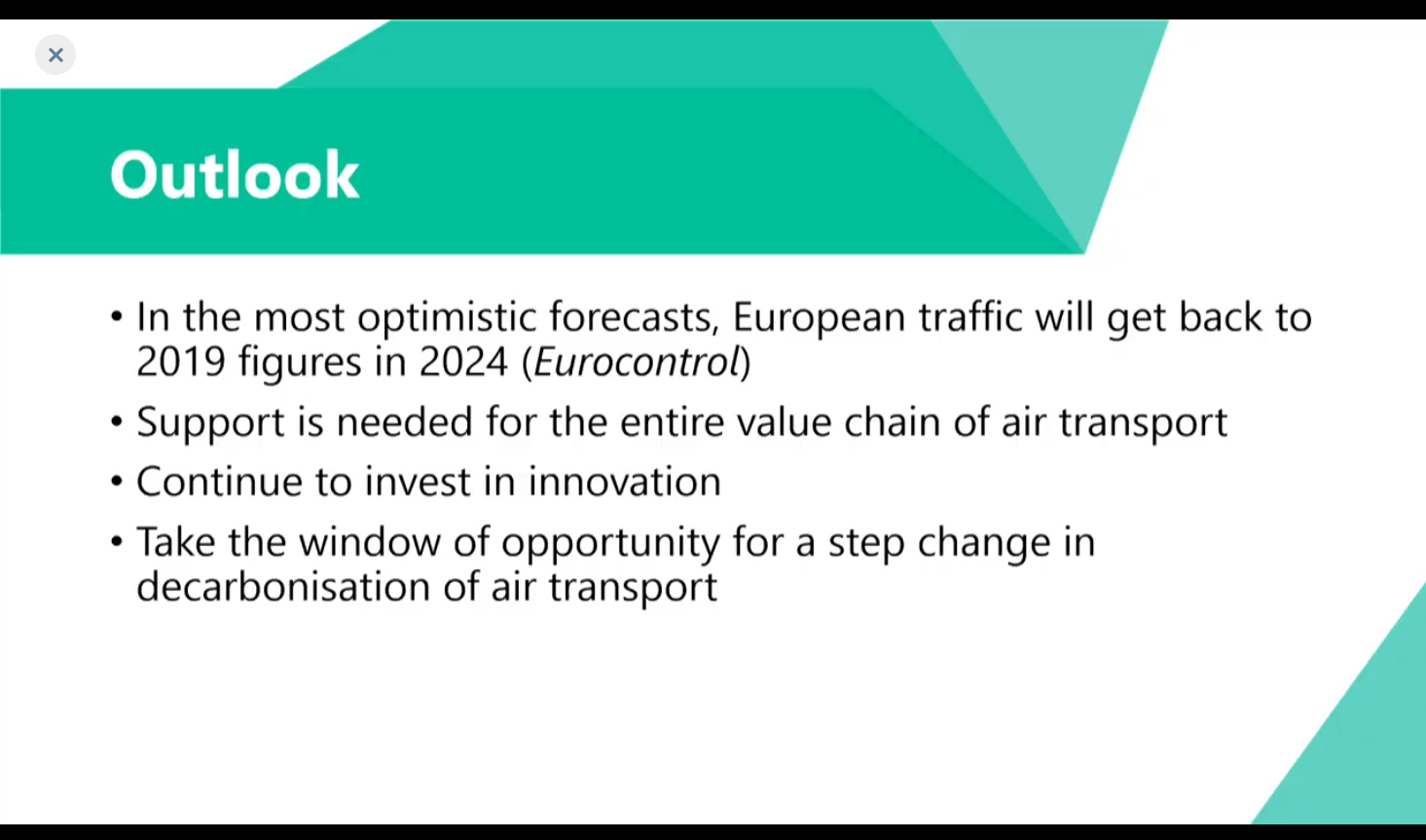
During the pandemic period there were common actions between the CEFTA and the Transport Community. In this sense, the exchange of data for all goods of first necessity was successful, as well as the implementation of “green corridors” across the whole region. Waterway transport was also affected during the pandemic period although there was no interruption due to good maintenance. However, traffic by cruise ships on the Danube has been drastically reduced since March 2020. Air transport has also been affected. Comparison of flight destinations between October 2019 and October 2020 shows that the number has considerably declined within the EUSAIR region. However, potential for airports development is still relevant to be regarded. In some cases, the pandemic has been a stimulus for new transport solutions and improving the performance of the existing transport supply.
Economic data shows a constant growth of GDP in EUSAIR countries during the period 2007-2019 even though most countries have been affected by the global economic crisis in 2008. With the pandemic in 2020, the economy in the region has been deeply affected, but the overall forecast for the period up to 2022 remains good. In this context, transport will play a key role in the future of the economic development of the EUSAIR region including during the post-Covid 19 recovery. In the coming period an assessment of transport infrastructure in the Western Balkans will be done and will provide an indication of future developments in the region.
Manage Consent
To provide the best experiences, we use technologies like cookies to store and/or access device information. Consenting to these technologies will allow us to process data such as browsing behavior or unique IDs on this site. Not consenting or withdrawing consent, may adversely affect certain features and functions.
Functional
Always active
The technical storage or access is strictly necessary for the legitimate purpose of enabling the use of a specific service explicitly requested by the subscriber or user, or for the sole purpose of carrying out the transmission of a communication over an electronic communications network.
Preferences
The technical storage or access is necessary for the legitimate purpose of storing preferences that are not requested by the subscriber or user.
Statistics
The technical storage or access that is used exclusively for statistical purposes.The technical storage or access that is used exclusively for anonymous statistical purposes. Without a subpoena, voluntary compliance on the part of your Internet Service Provider, or additional records from a third party, information stored or retrieved for this purpose alone cannot usually be used to identify you.
Marketing
The technical storage or access is required to create user profiles to send advertising, or to track the user on a website or across several websites for similar marketing purposes.