The Adriatic is a shared ecosystem. Protecting it requires cooperation across borders, institutions and sectors.
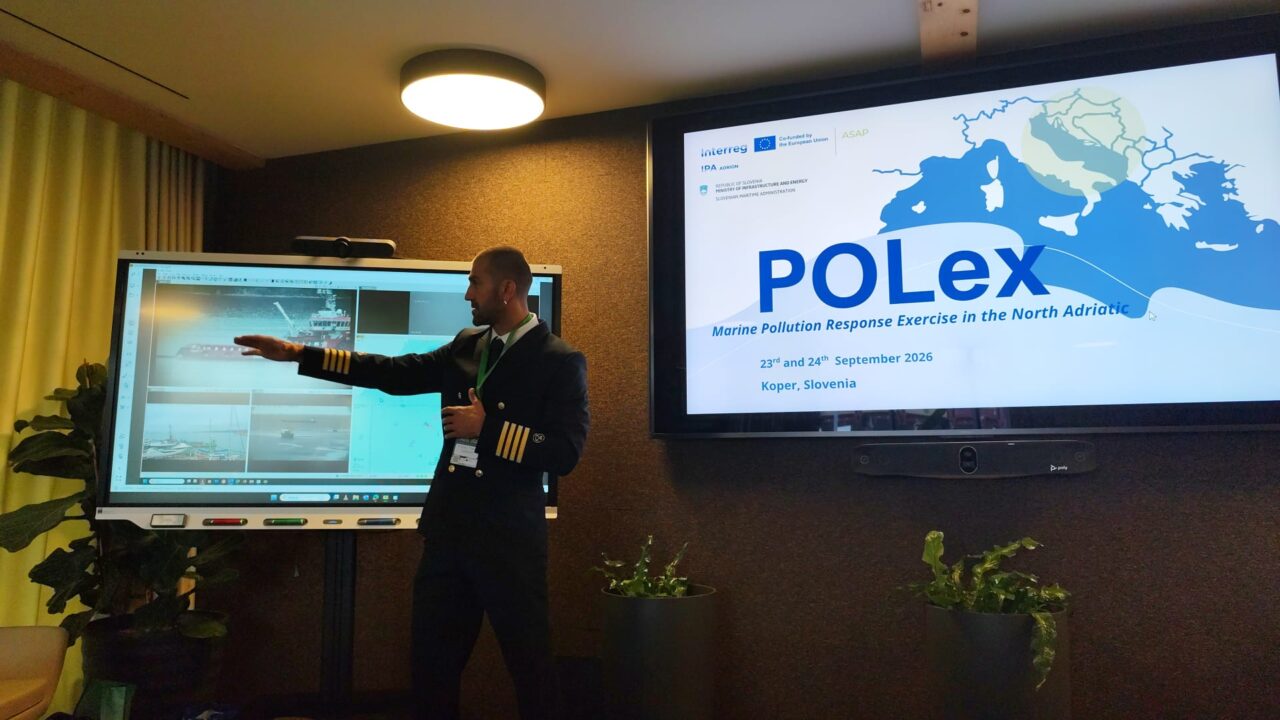
The international POLEX 2026 exercise in Koper and the Northern Adriatic is a practical example of why established cooperation frameworks such as EUSAIR are important.
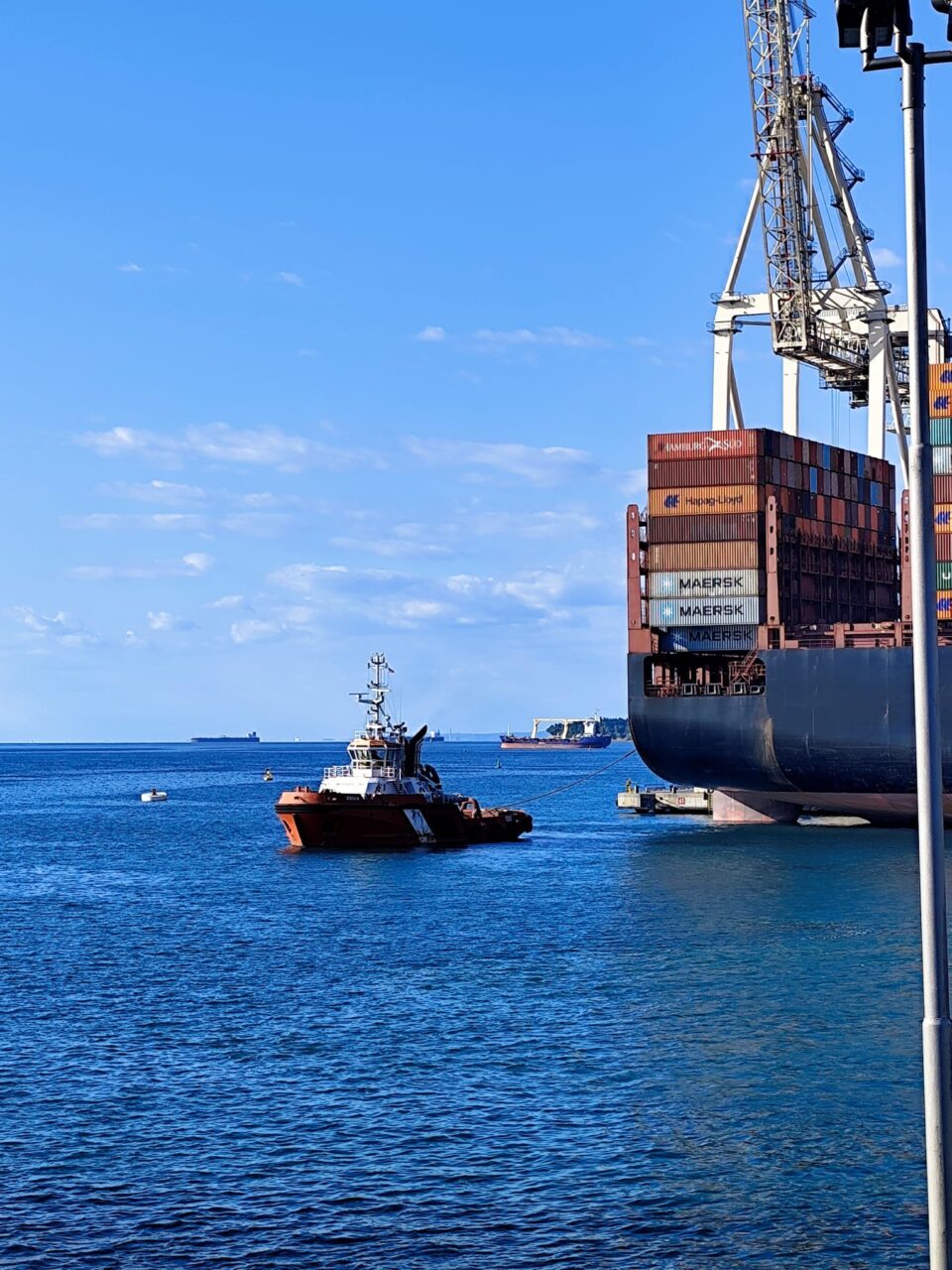
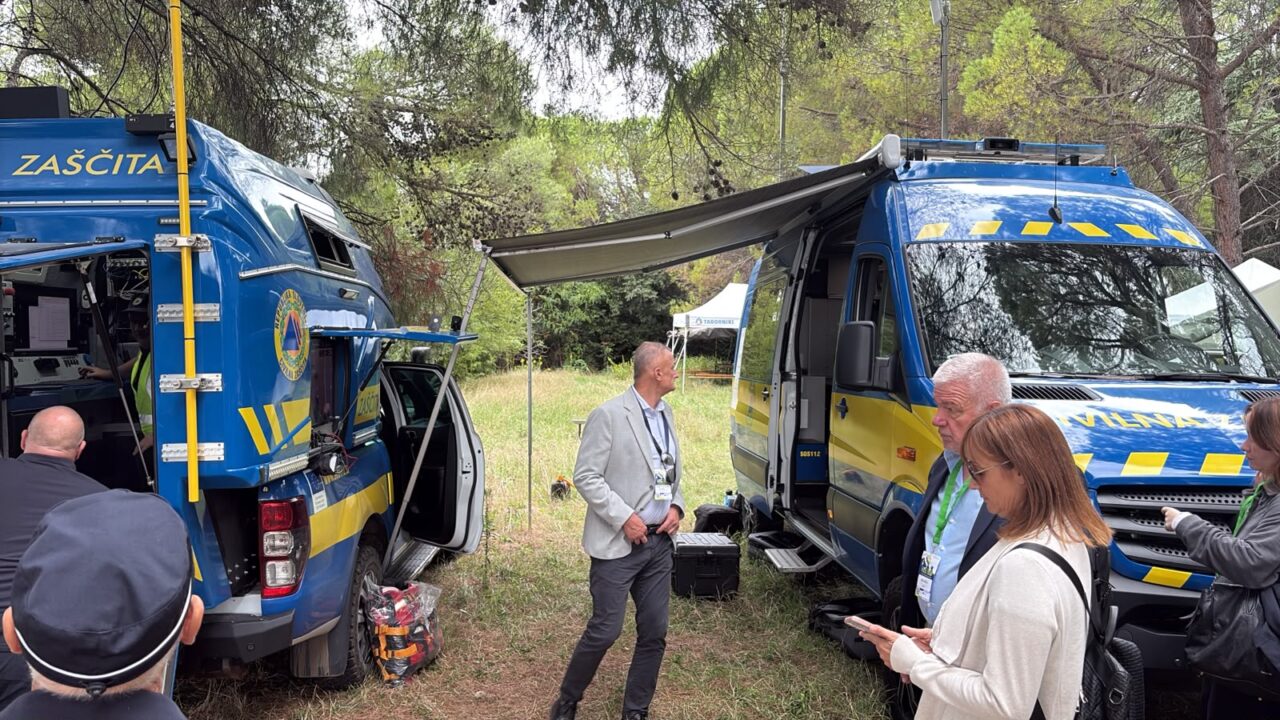
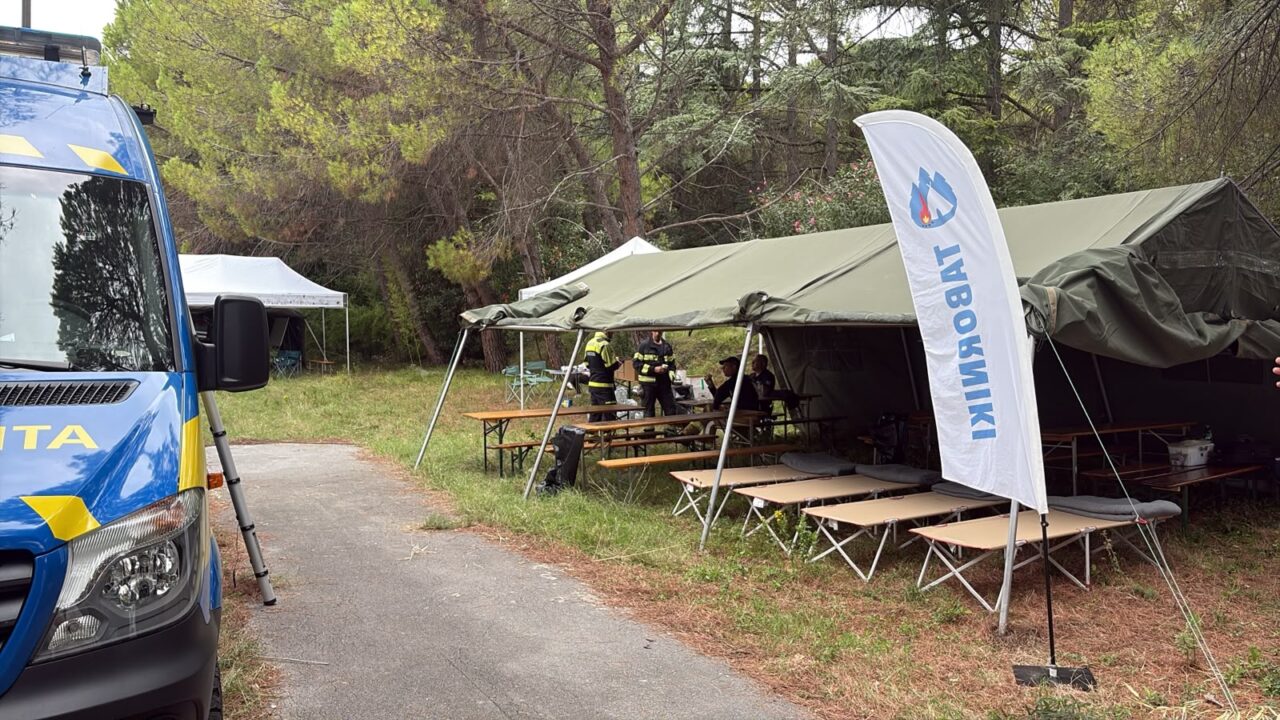
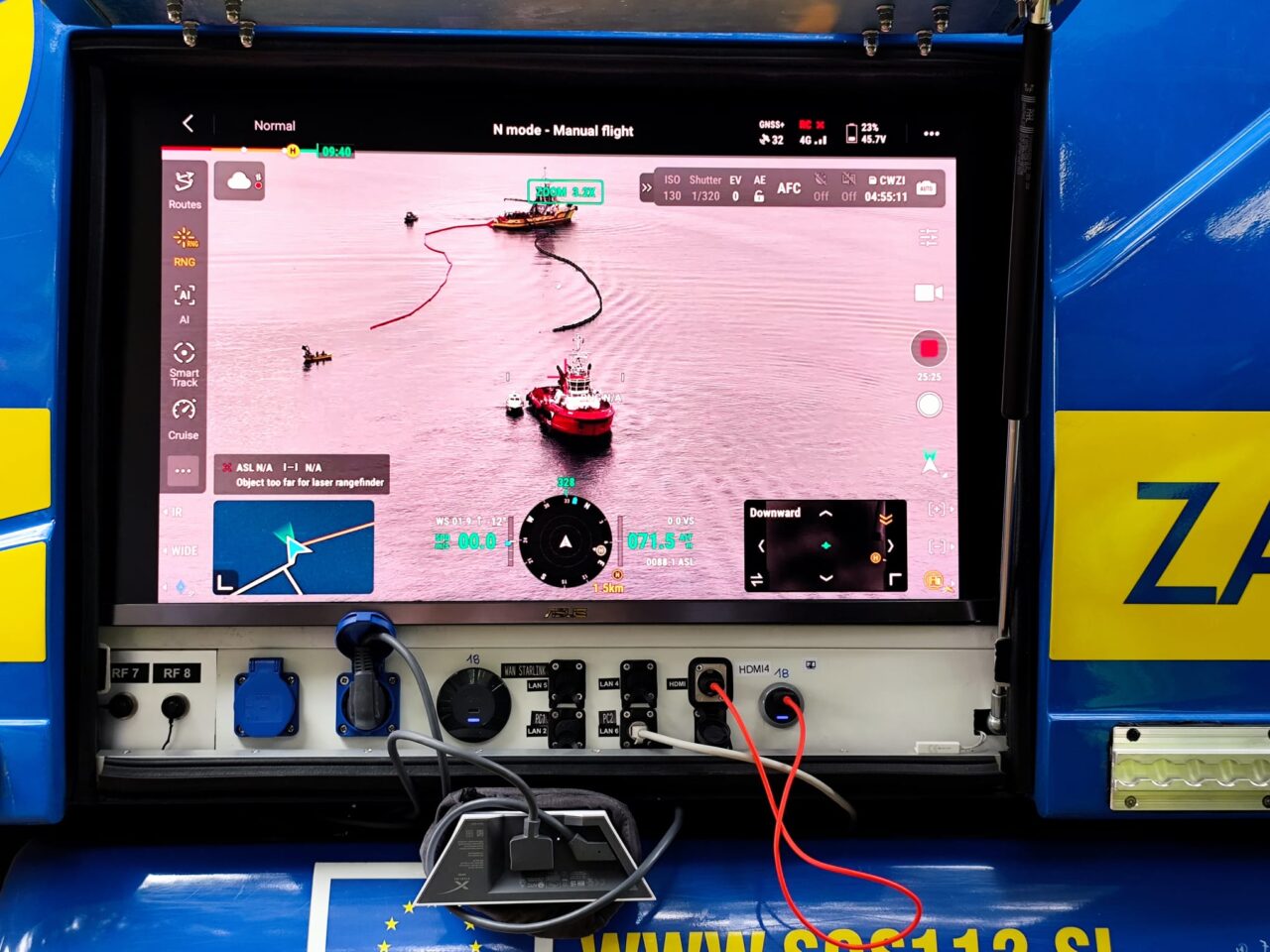
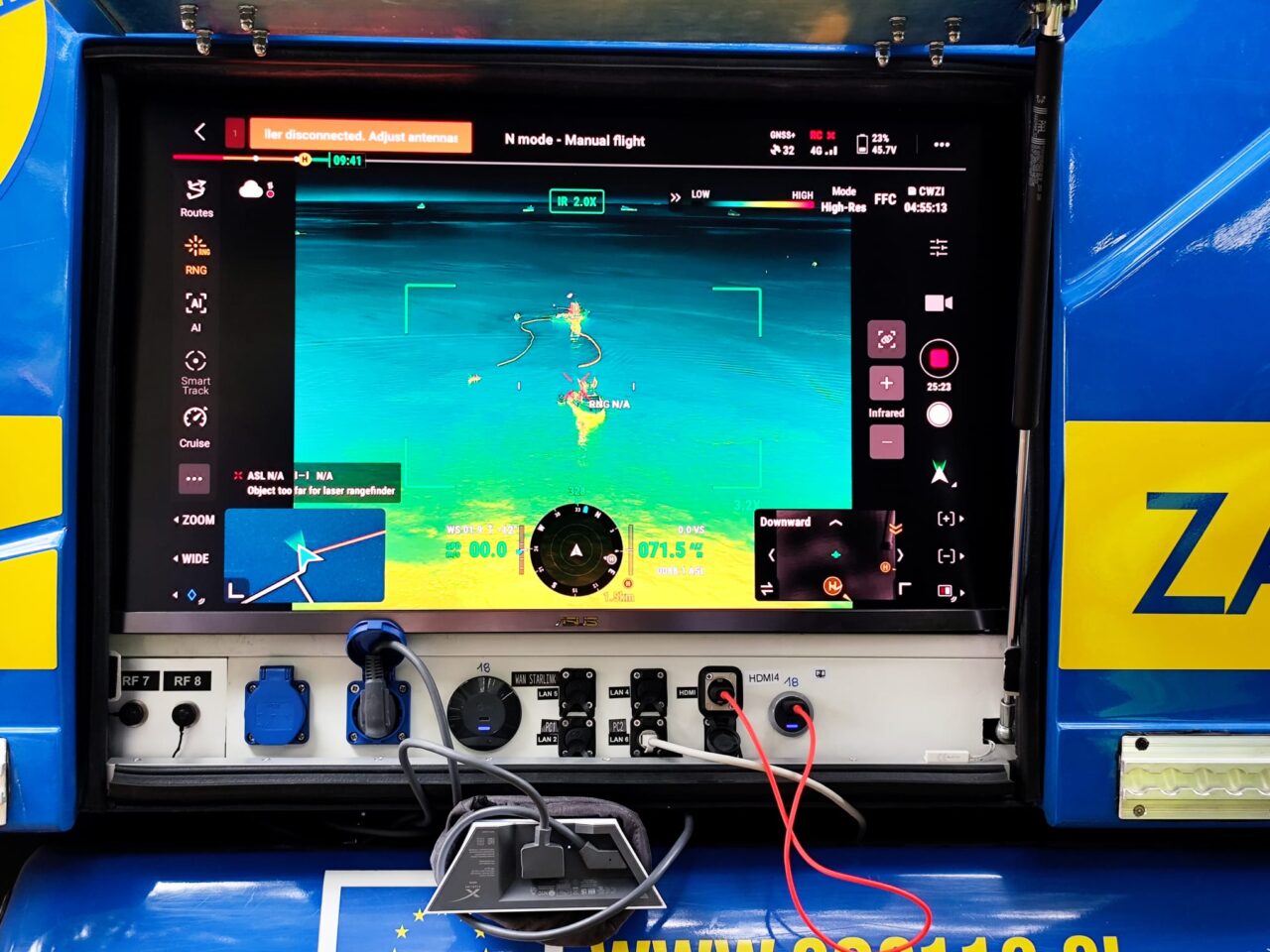
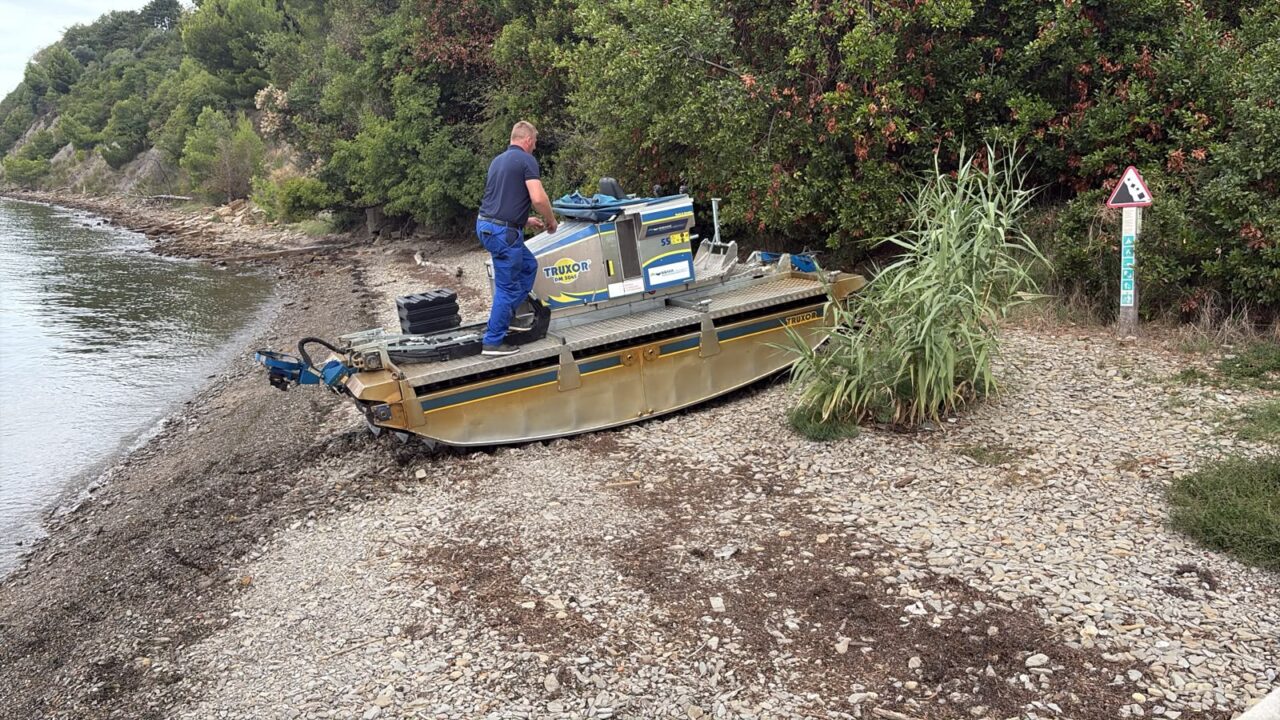
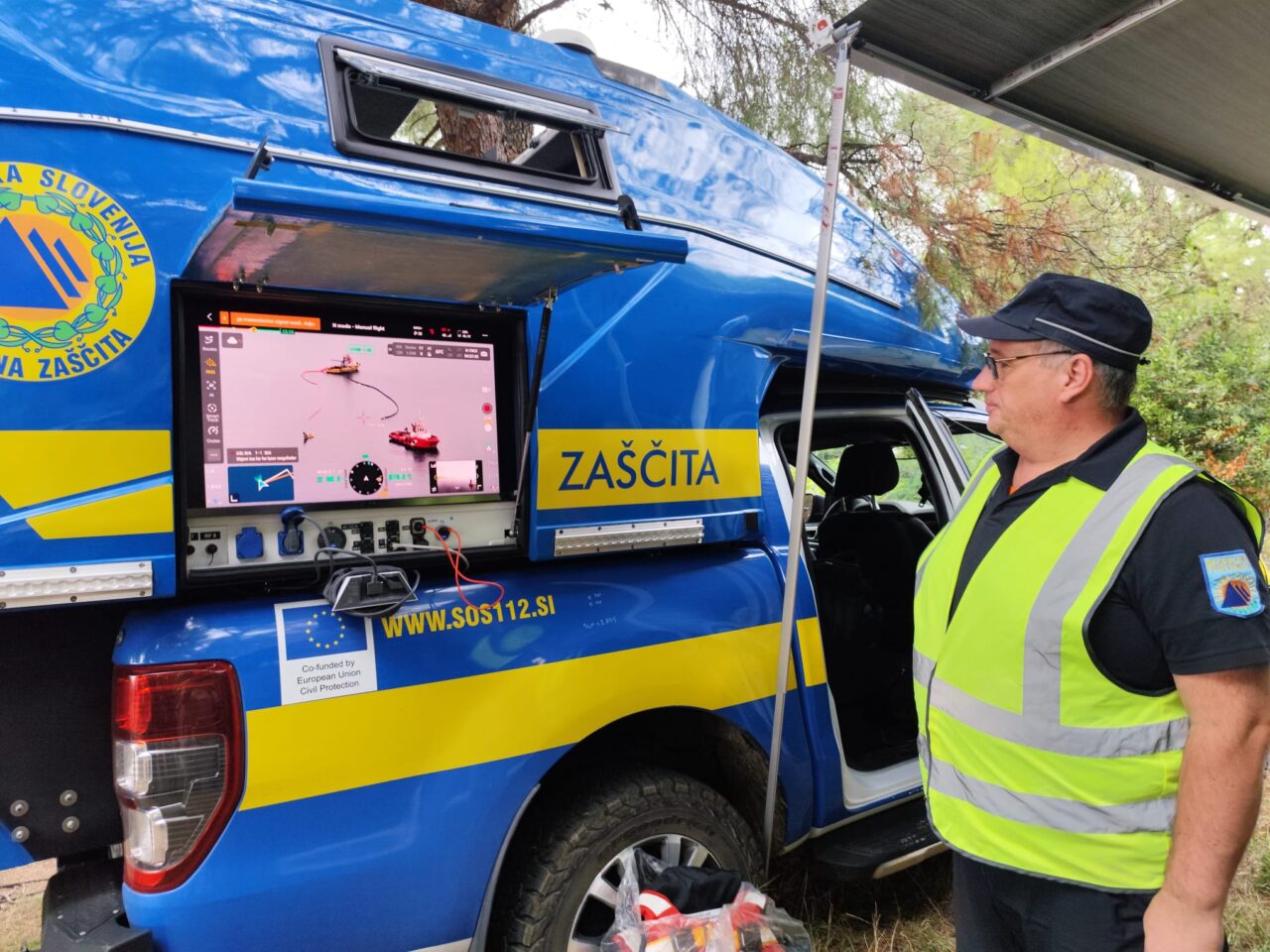
On 23–24 September, authorities and emergency response services from countries across the Adriatic-Ionian region, together with the European agencies EMSA, EFCA and FRONTEX, are testing their ability to respond rapidly and in a coordinated way to marine pollution.
Behind such an exercise lies something essential: countries that cooperate before a crisis happens are better prepared to act together when it does.
For citizens and communities around the Adriatic, the benefits are tangible – better protection of the sea and coastline, greater safety, reduced environmental and economic impacts of accidents, and stronger protection of livelihoods that depend on a healthy sea.
POLEX takes place within the ASAP project, supported by the Interreg IPA ADRION Programme, and contributes to the EUSAIR flagship ASOSCOP. It illustrates how macro-regional cooperation can connect authorities, expertise, European funding and operational capacities around challenges that no country can effectively address alone.
The ambition goes further. Through the Source-to-Sea approach, EUSAIR partners are working to better connect river basin, coastal and marine management, recognising that what happens upstream ultimately affects our coasts and our common sea.
This is the added value of macro-regional cooperation: turning shared challenges into shared responsibility – and shared responsibility into practical action that benefits the people of the region.