“Simultaneously with the management of the EU Strategy for the Adriatic-Ionian Region, Slovenia also took over the chairmanship of the Adriatic-Ionian Initiative on Monday, 1 June. And just a month after these two presidencies expire, a new big test awaits us – leading the EU Council. In all three important initiatives that Slovenia will chair in the next two years, we have decided on the most uniform and connectable priorities – that is, to connect more opportunities in joint efforts.
The key concept you will find in all three of these responsibilities is the European Green Deal. Why?
- because it addresses climate challenges at its core;
- because it is one of the priorities of the EU’s future financial perspective and therefore an important opportunity to actualy cause the difference with the additional resources;
- because Slovenia is, together with Bosnia and Herzegovina, coordinating the 3rd pillar of Environmental Quality – meaning we know what we need to do;
- because, in the EUSAIR Member States meet and cooperate on an equal footing with the countries of the Western Balkans – and the green standards for EU enlargement are as important as economic and democratic ones;
- and last but not least, because post-corona recovery can only be green, and the radicalness of corona lessons can be even more useful for facing environmental and climate challenges.
It is this bigger picture that we will need most in the coming months and years: that expertise, local and national knowledge will merge into the big picture of shaping Europe’s future policies. Macro-regional strategies are based on the joint and coordinated work of all stakeholders in a completed geographical area. With their structure of action, they link from the bottom up, i.e. from the local to the transnational and horizontally different policies, in order to address challenges that go beyond national borders but are implemented in accordance with local characteristics through coordinated action. Climate change and related challenges are the most typical example, requiring coordinated and broad action if the goal is to be achieved.
However, we will not achieve all this without involving young people from the very beginning; educate them and involve them in common thoughts and desires, listen to them and make decisions together with them. I am pleased that all European macro-regional strategies also put cooperation with young people at the forefront and thus contribute not only to involving young people in finding answers to the key challenges of our time, but also to their integration and active action, and ultimately to co-responsibility.We live in a beautiful region. At a time when we will have to be able to appreciate the quality of the natural environment, the quality of interpersonal contacts and the effectiveness of cooperation more than before, we can be an example to Europe and the world. So let us be an example of noble cooperation and a harbinger of better times even in these difficult times ahead.”
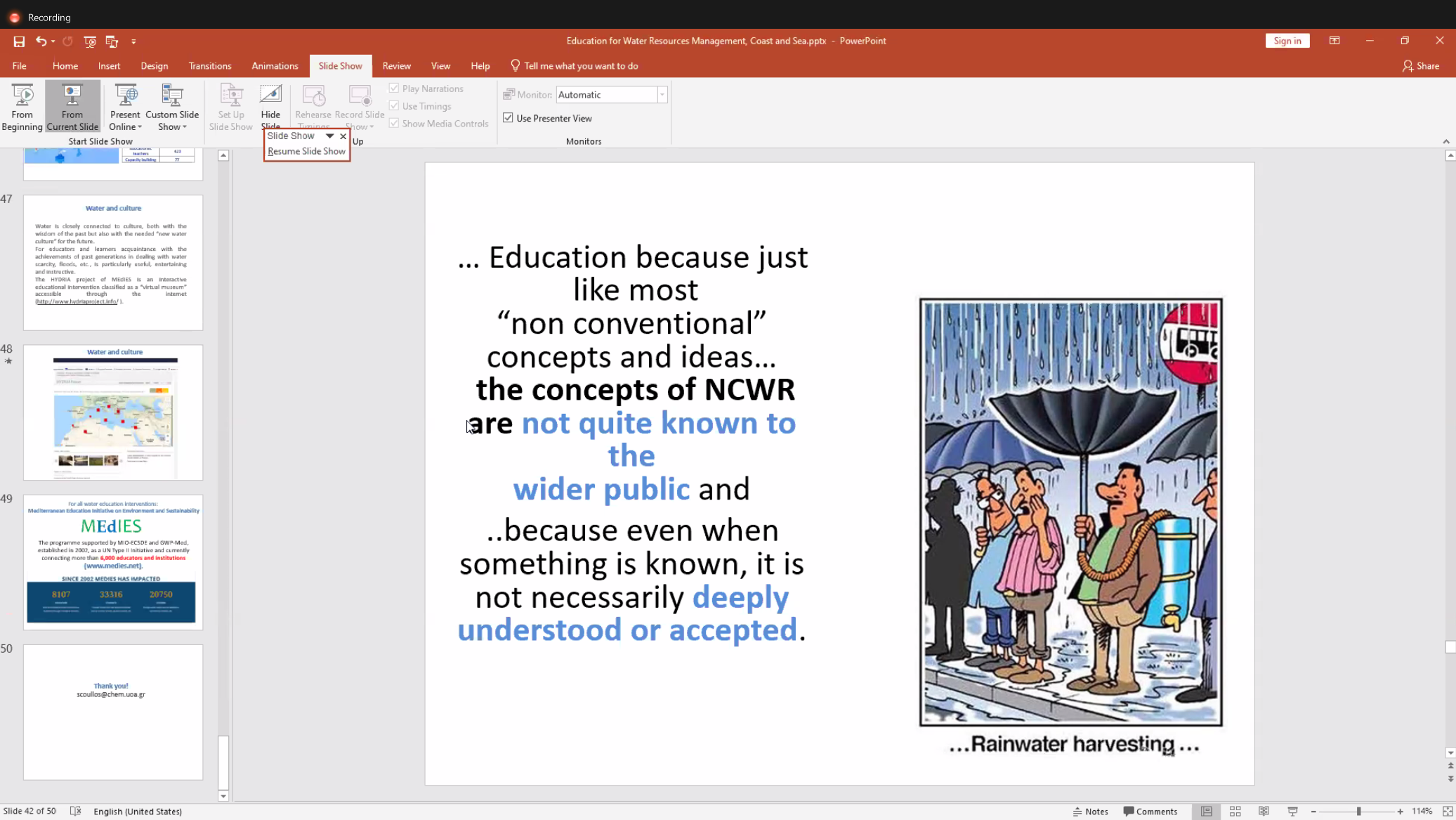
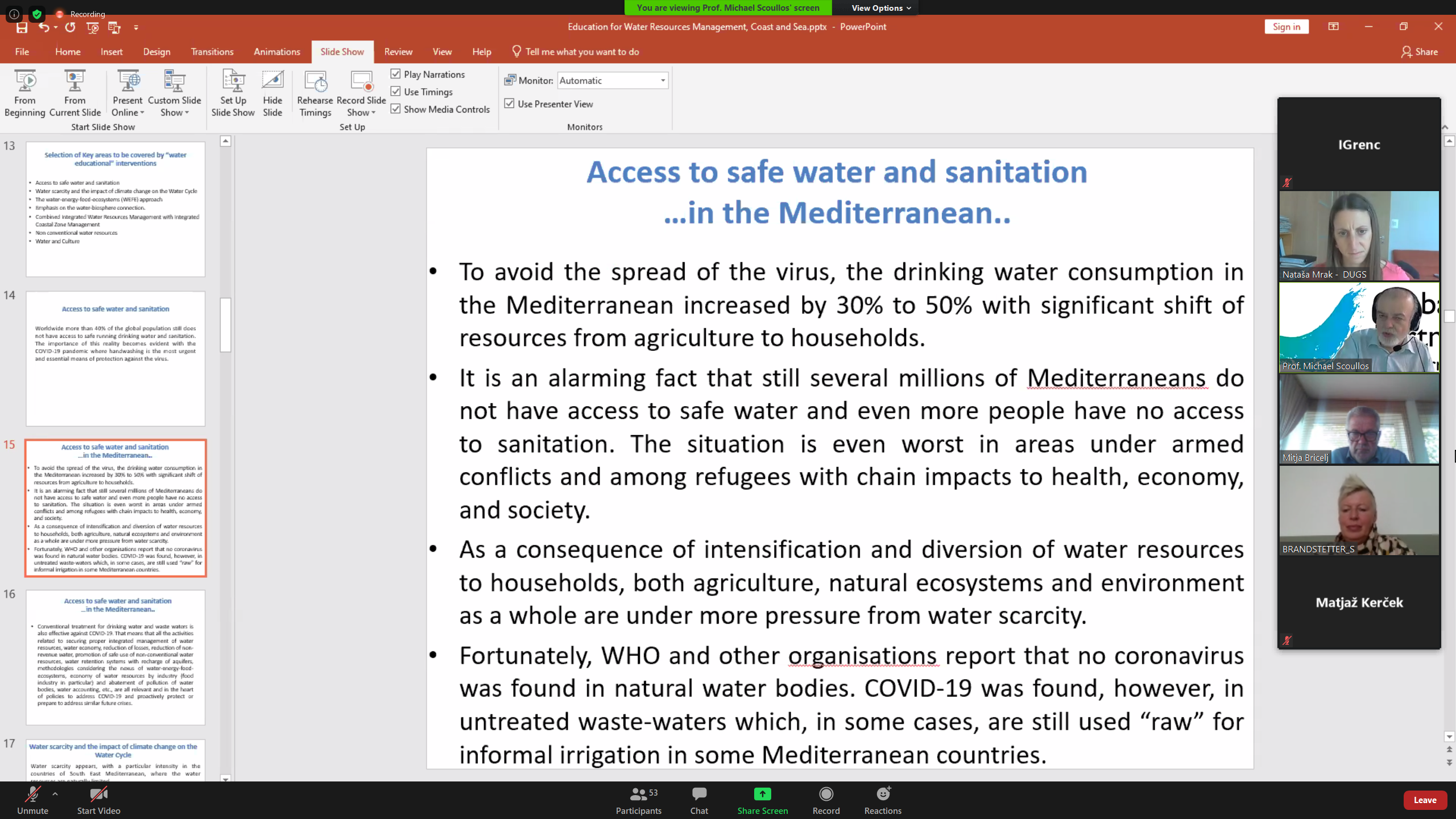
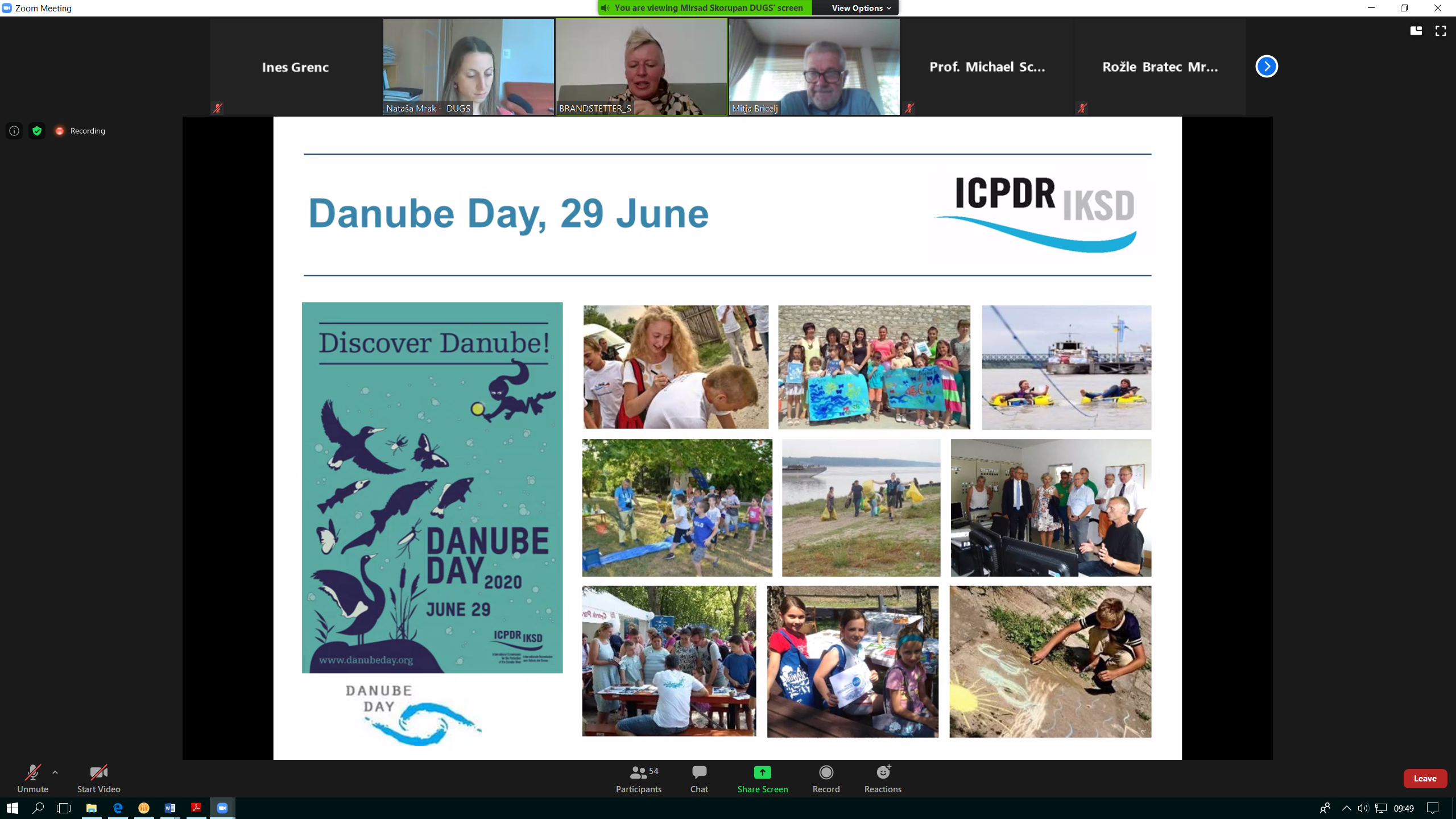
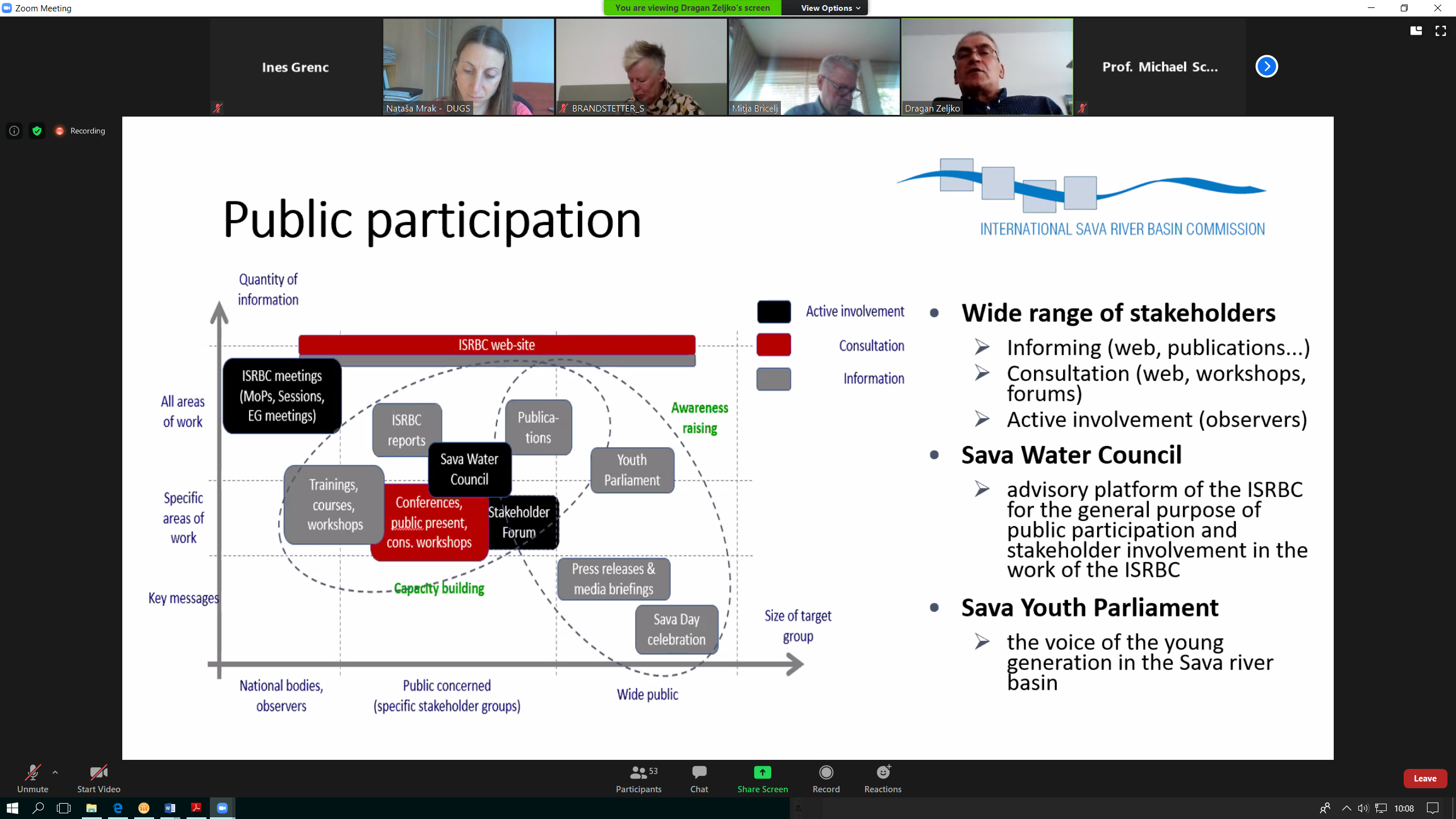
Susanne Brandstetter: “Shared waters in a shared basin means: all our stories and all countries are interconnected – getting the youth on board is the key to securing the future of our shared basin!”
Teachers proved they know the value of cooperation and have a great respect for the young minds they are helping to develop and hopefully we do as well!