11. December, 2025
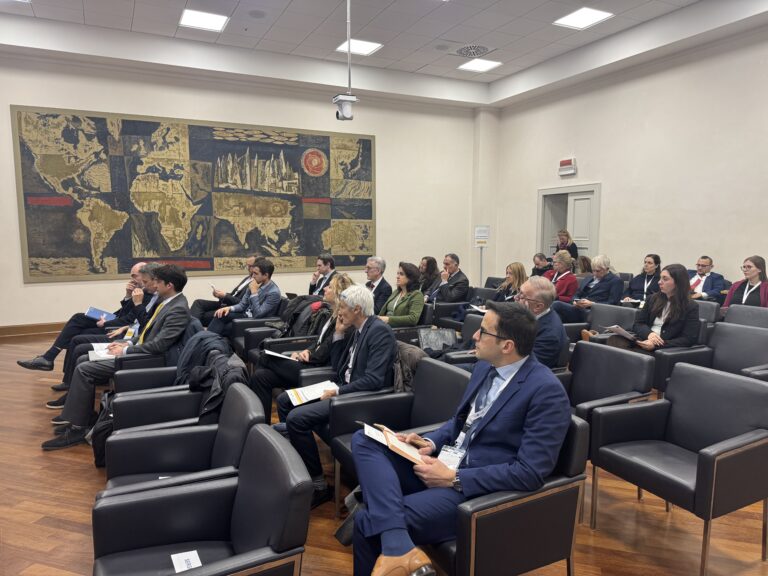
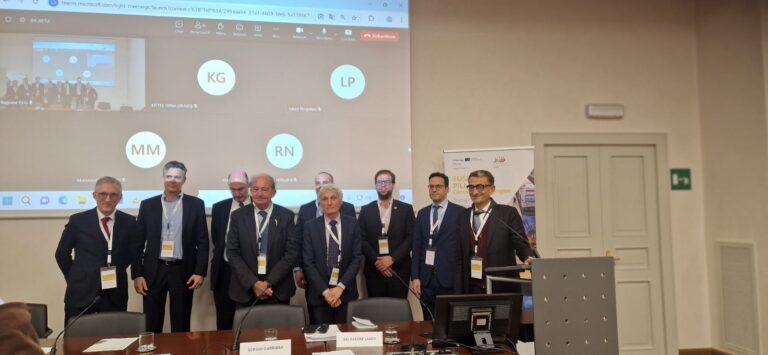
The “Thematic workshop on the EUSAIR Master Plan on Energy for the Adriatic and Ionian Region: energy outlook, priorities and prospects” was held in Trieste on 27 November, alongside the 22nd meeting of the Thematic Steering Group on Energy. The event, organized under EUSAIR Pillar 2 “Connecting the Region” with the support of the EUSAIR Facility Point (PP6) Autonomous Region of Friuli Venezia Giulia, focused on cross-border cooperation, renewable energy deployment, energy efficiency and innovation, paving the way towards a carbon-neutral and integrated regional market in the Adriatic-Ionian Region.
The workshop discussed the Master Plan on Energy, designed to guide the Region towards the 2050 decarbonisation goals. The speakers stressed the need for stronger cross-border cooperation, particularly in light of differing national energy policies and the rapidly evolving geopolitical landscape. The long-term nature of energy investments and the risk of stranded assets were also highlighted, underscoring the importance of coordinated planning.
The workshop outlined key objectives for the Master Plan, including the expansion and modernization of energy networks, improved policy integration and the development of flexible, resilient and affordable energy systems. Special attention was given to the Western Balkans, a Region with considerable potential for infrastructure development and market evolution. Aligning the Region with EU targets – especially in areas such as renewable integration, storage solutions and electricity interconnections – was identified as an urgent priority.
Speakers emphasized the role of cross-border cooperation in strengthening security of supply, enhancing competitiveness, addressing rising energy prices, ensuring affordability and increasing system flexibility. The importance of advanced technologies, including digitalisation and artificial intelligence, was also noted as a driver for efficiency and system optimisation.
The final session showcased ongoing strategic energy projects, with particular focus on infrastructures that supports diversification and regional integration. Discussions reaffirmed that collaboration, knowledge sharing and continued dialogue – especially through future thematic workshops – are essential to overcome common challenges and to achieve the Adriatic-Ionian Region’s long-term energy goals.