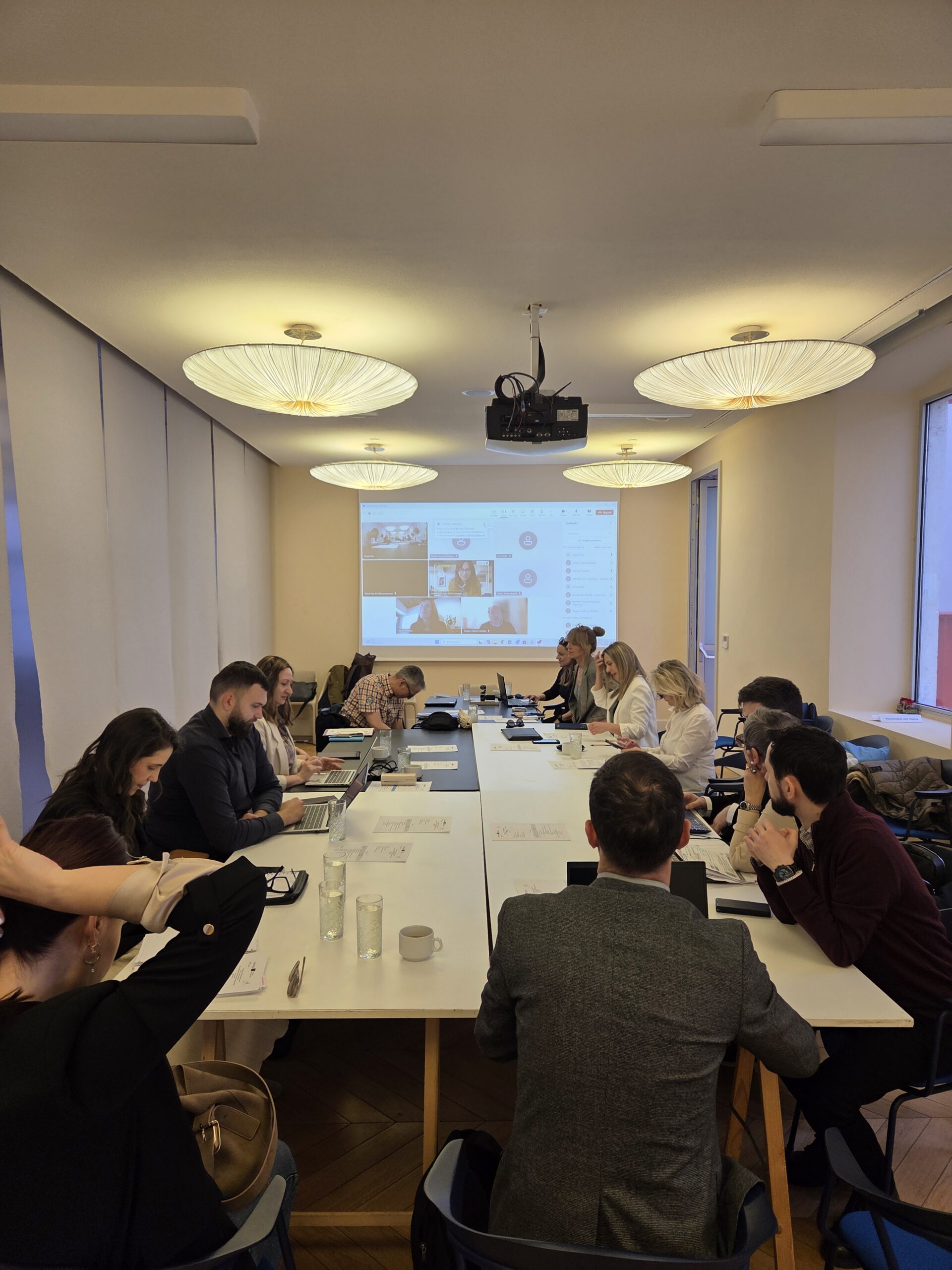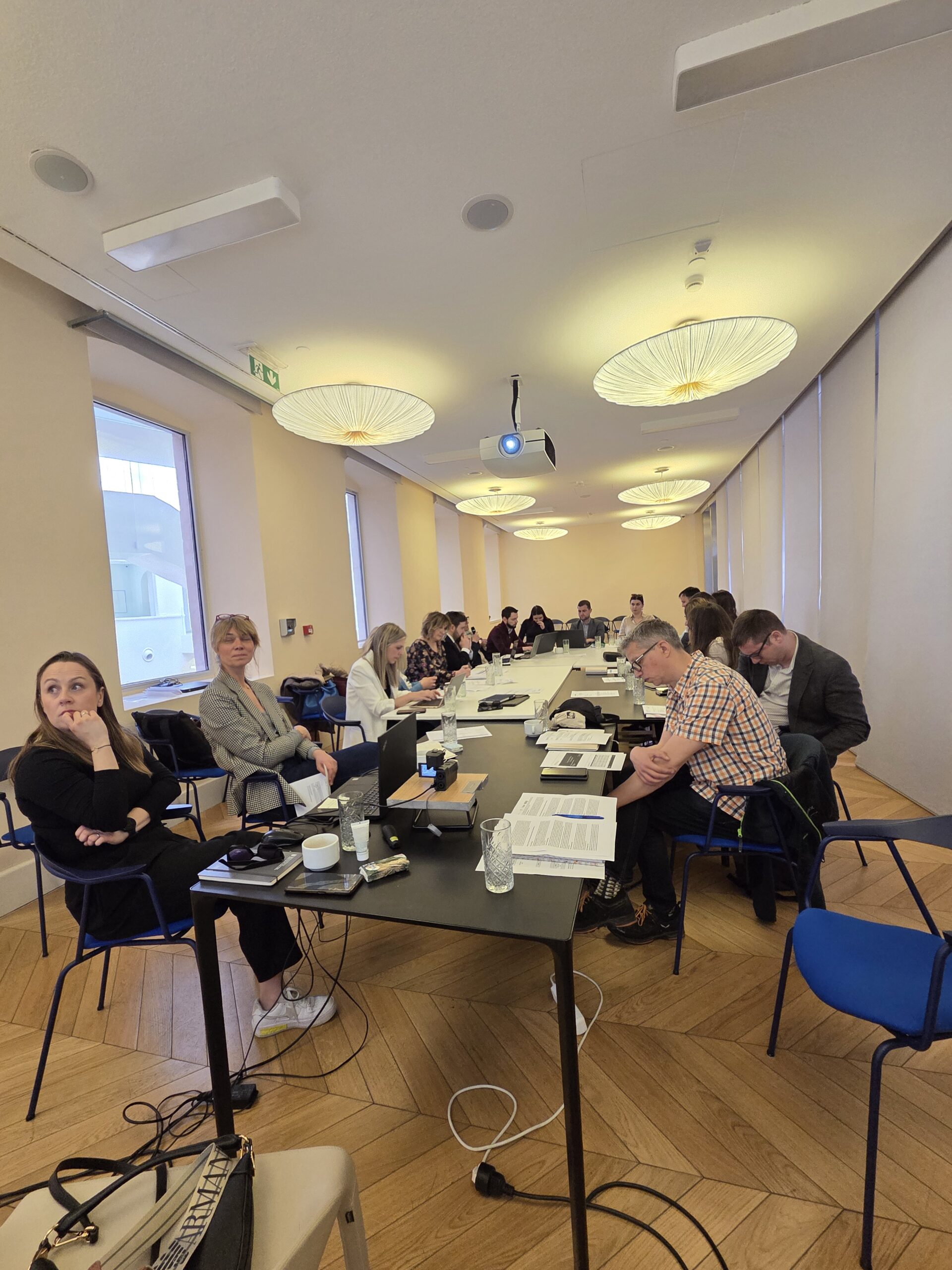
Croatia, the host of the meeting and coordinator for Pillar 5, presented a good practice example through the work of the Career Information and Counseling Centers (CISOK) of the Croatian Employment Service, which focuses on working with young people. A particular issue, shared by all EUSAIR member states, was highlighted: how to reach and work with young people who are in NEET (Not in Education, Employment, or Training) status. These are young people who are neither employed, studying, nor undergoing training. Mr. Filip Miličević, Croatian Coordinator for Pillar 5, emphasized that while the percentage of NEET population is decreasing in almost all countries, it remains high at the EU level, standing at 11 percent.
Representatives from Bosnia and Herzegovina and Slovenia also shared their experiences, discussing both the programs being implemented and the challenges they face in their application. Members agreed that raising awareness about youth policies is crucial so that, in the context of social policy, they are perceived as an investment rather than a cost. Stronger cooperation with the Baltic countries was also proposed, as they often have good practices in the field of social innovation for youth.
Plans are also in place to create two thematic studies, and members were invited to submit their suggestions. Croatian representatives believe that security and competitiveness in Europe are two important topics that these studies could address, providing a solid foundation for project creation within Pillar 5.
The third meeting of the Thematic Group for Pillar 5 is scheduled for the autumn of 2025 and will be held online. European Commission representative Ms. Gabby Hagmuller reported on the Action Plan for TSG5, which is expected to be adopted at the EUSAIR Annual Forum in early May in Crete. She confirmed that after Greece, the Presidency of EUSAIR will be taken over by North Macedonia.
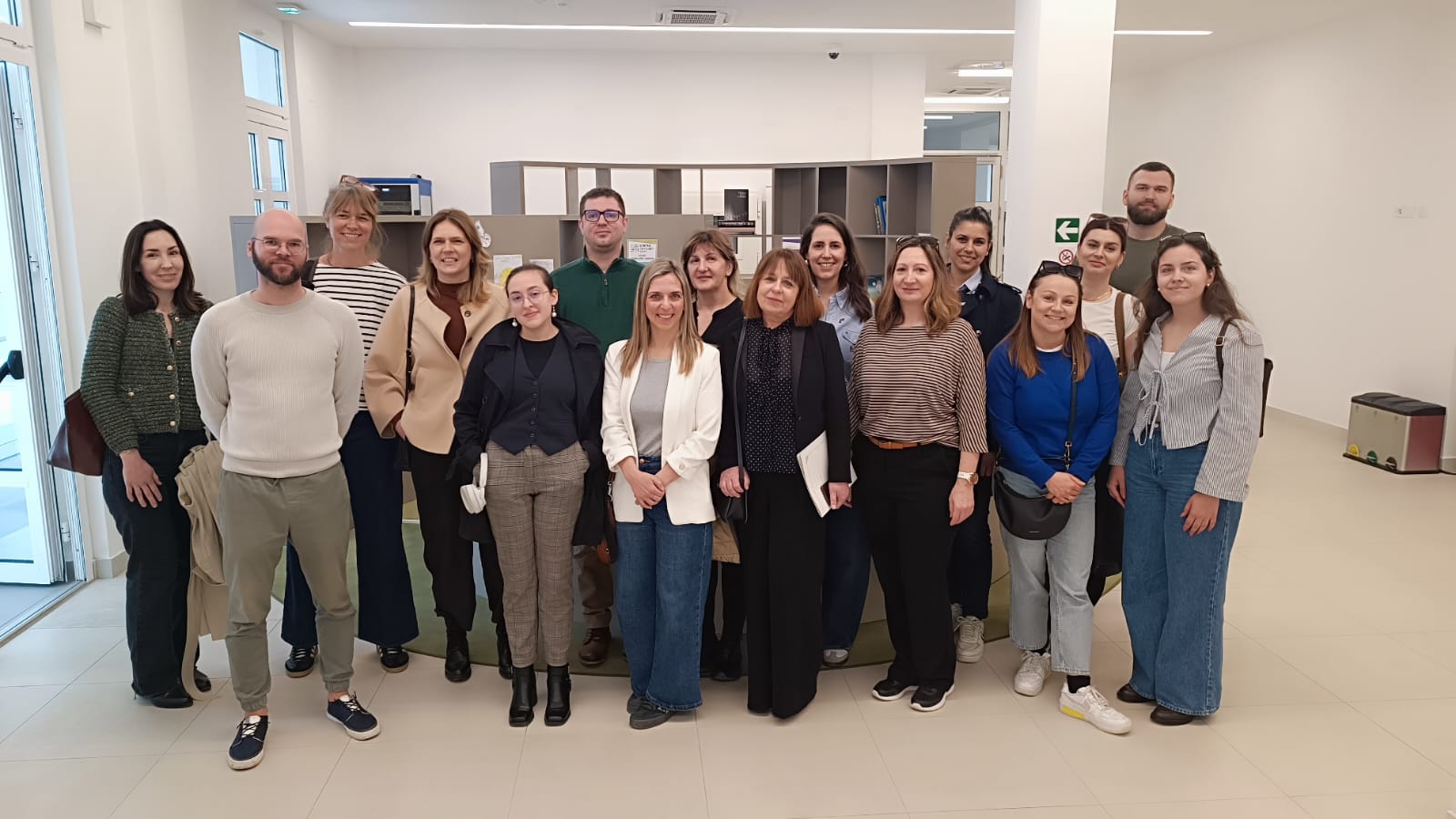
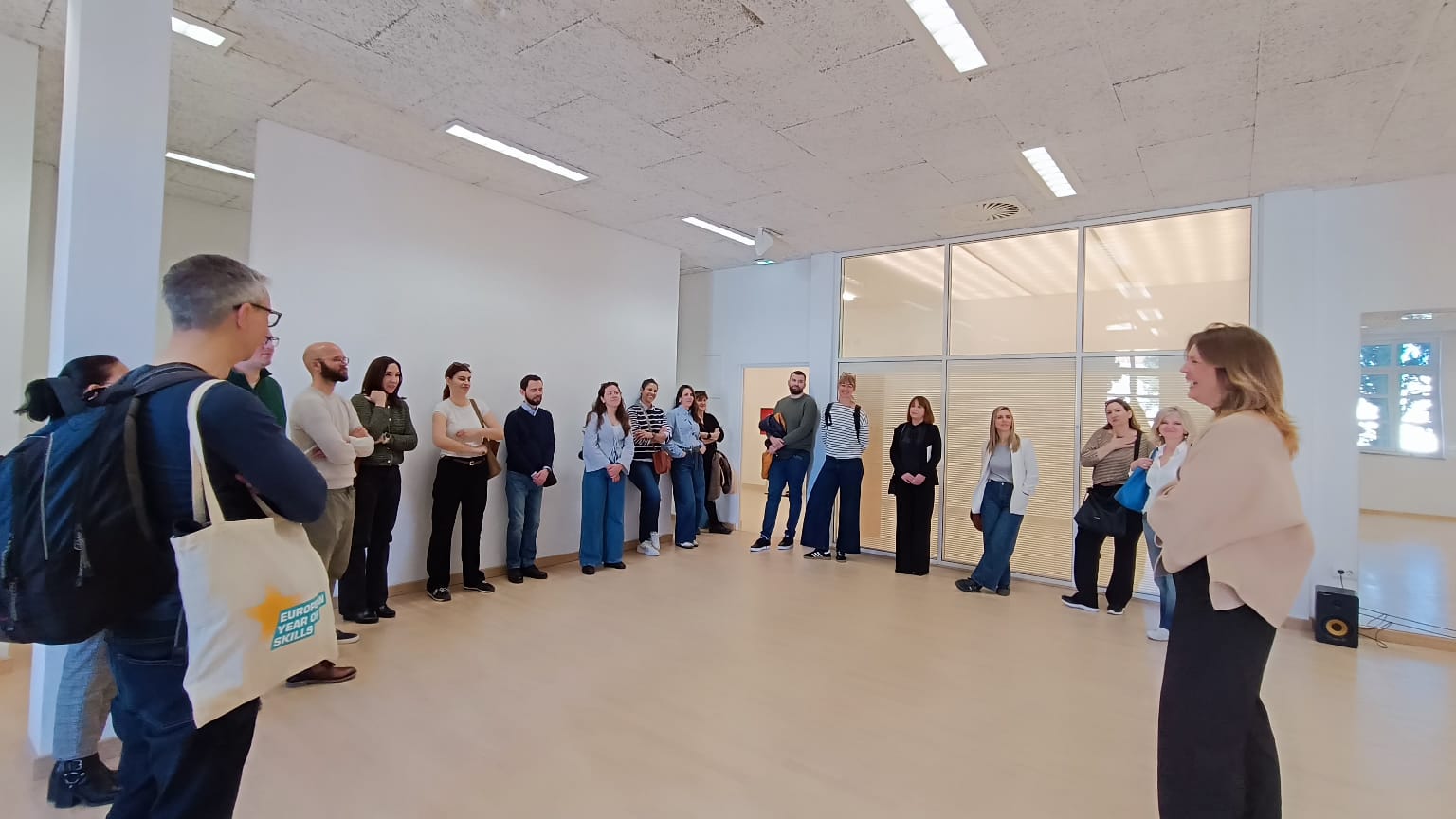
On the second day, April 4, a study visit to the ZD-154-M project, implemented under the Erasmus+ program, was held. The project focuses on actively involving young people in the life of the local community in Zadar and was presented at the Youth Center of the City of Zadar. Participants had the opportunity to learn about the project’s activities and results, which serve as an example of good practice in the area of social inclusion of young people.