As of 1 June 2026, Italy has officially takes over the Presidency of the EU Strategy for the Adriatic and Ionian Region (EUSAIR), taking on the strategic leadership of the Strategy for the period until 31 May 2027.
The Italian Presidency will be coordinated by the Department for Cohesion Policies (DPCoe), in cooperation with the Ministry of Foreign Affairs and International Cooperation (MAECI). Its programme is structured around four main priorities:
- support for European integration and the strengthening of administrative capacity in candidate countries;
- enhanced connectivity, with a particular focus on transport and energy;
- social, cultural and demographic cohesion, with an emphasis on younger generations and countering depopulation; and
- the reinforcement of SME networks and innovation ecosystems at macro-regional level.
At this crucial juncture, Italy reaffirmed its strong support for the European integration path of the Western Balkans and the need to accelerate reform efforts to ensure tangible benefits for citizens. In this context, particular emphasis is placed on strengthening administrative capacities so that European funds effectively translate into concrete results for territories and communities.
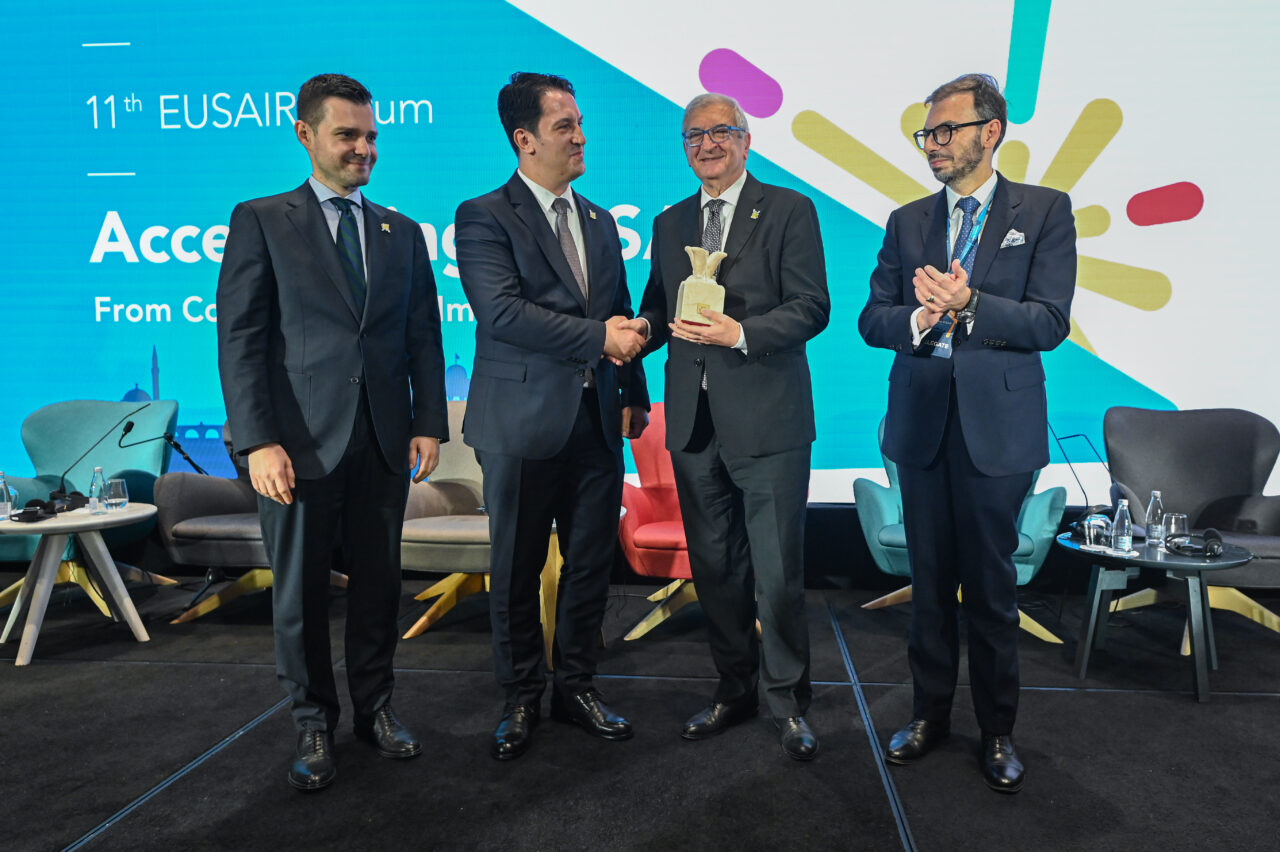
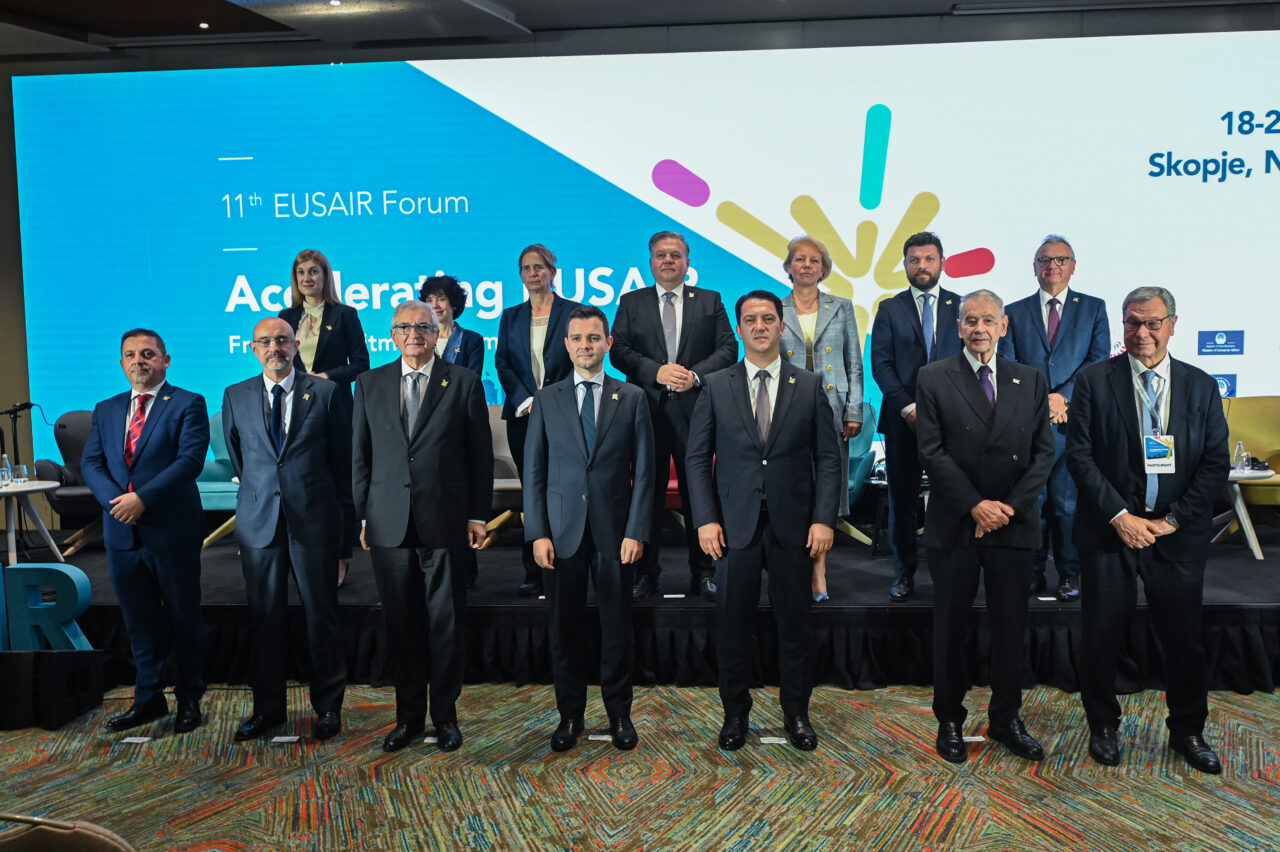
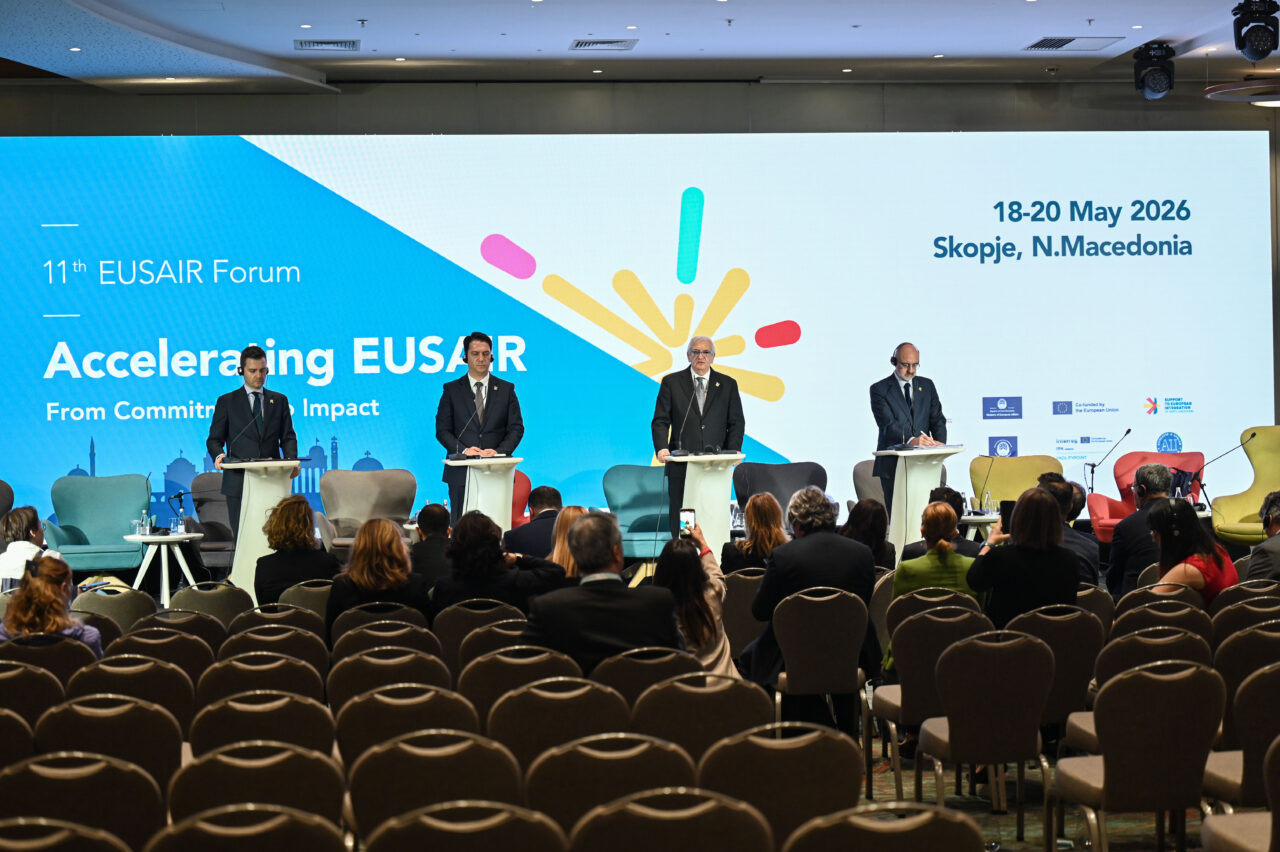
The official launch of the Italian Presidency follows the symbolic handover of the EUSAIR Presidency from North Macedonia to Italy, which took place during the 11th Annual Forum of EUSAIR, held in Skopje from 18 to 20 May 2026. The Forum, organised under the theme “Accelerating EUSAIR: From Commitment to Impact”, marked one of the most significant institutional events in the macro-regional cooperation calendar and brought together government representatives, European institutions, regional authorities, youth organisations, academia and civil society from the ten participating countries.
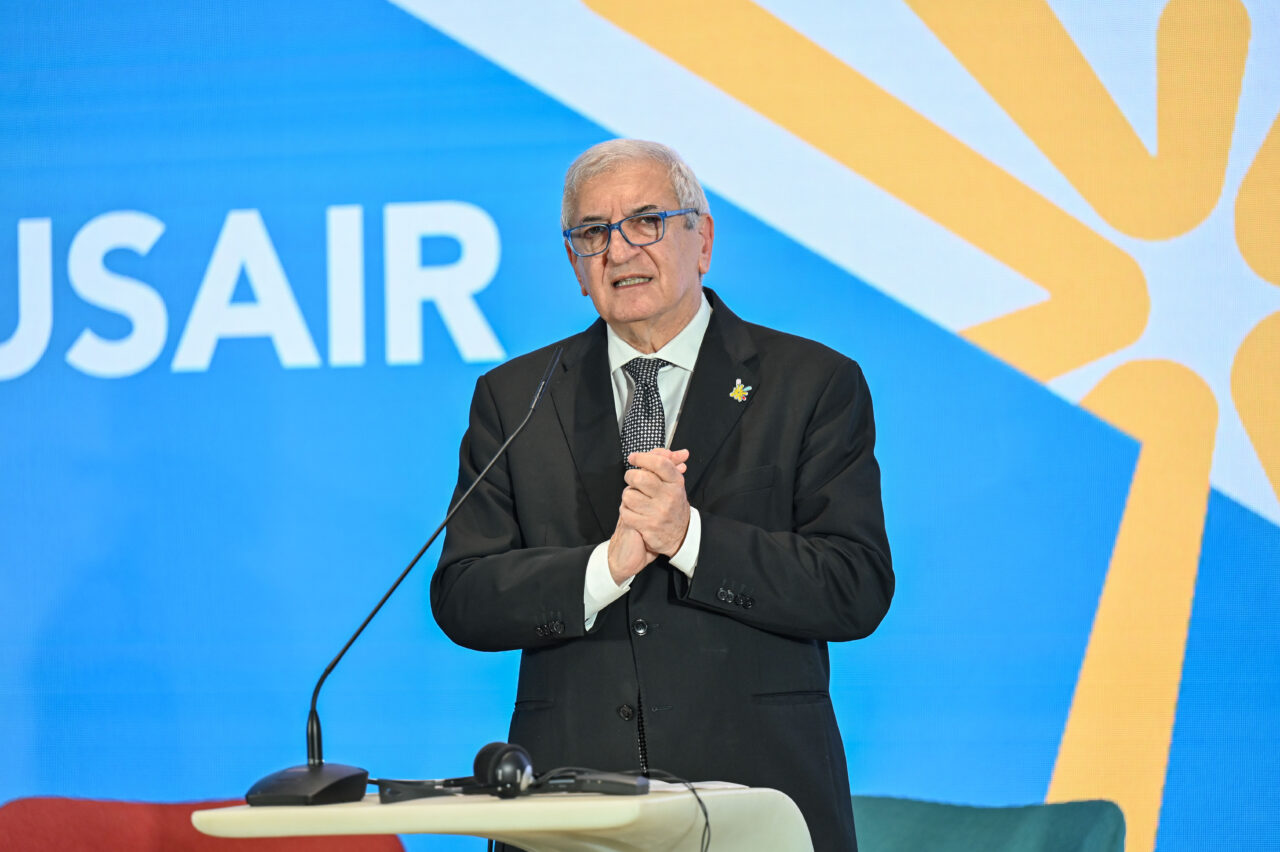
Italy was represented at the Forum by the Minister for European Affairs, the NRRP and Cohesion Policies, Hon. Tommaso Foti, who highlighted the importance of sustaining momentum in the enlargement process, warning against the risks of growing fatigue in the integration agenda if progress is delayed. He also underlined the importance of ensuring that European policies and instruments deliver concrete benefits across the macro-region.