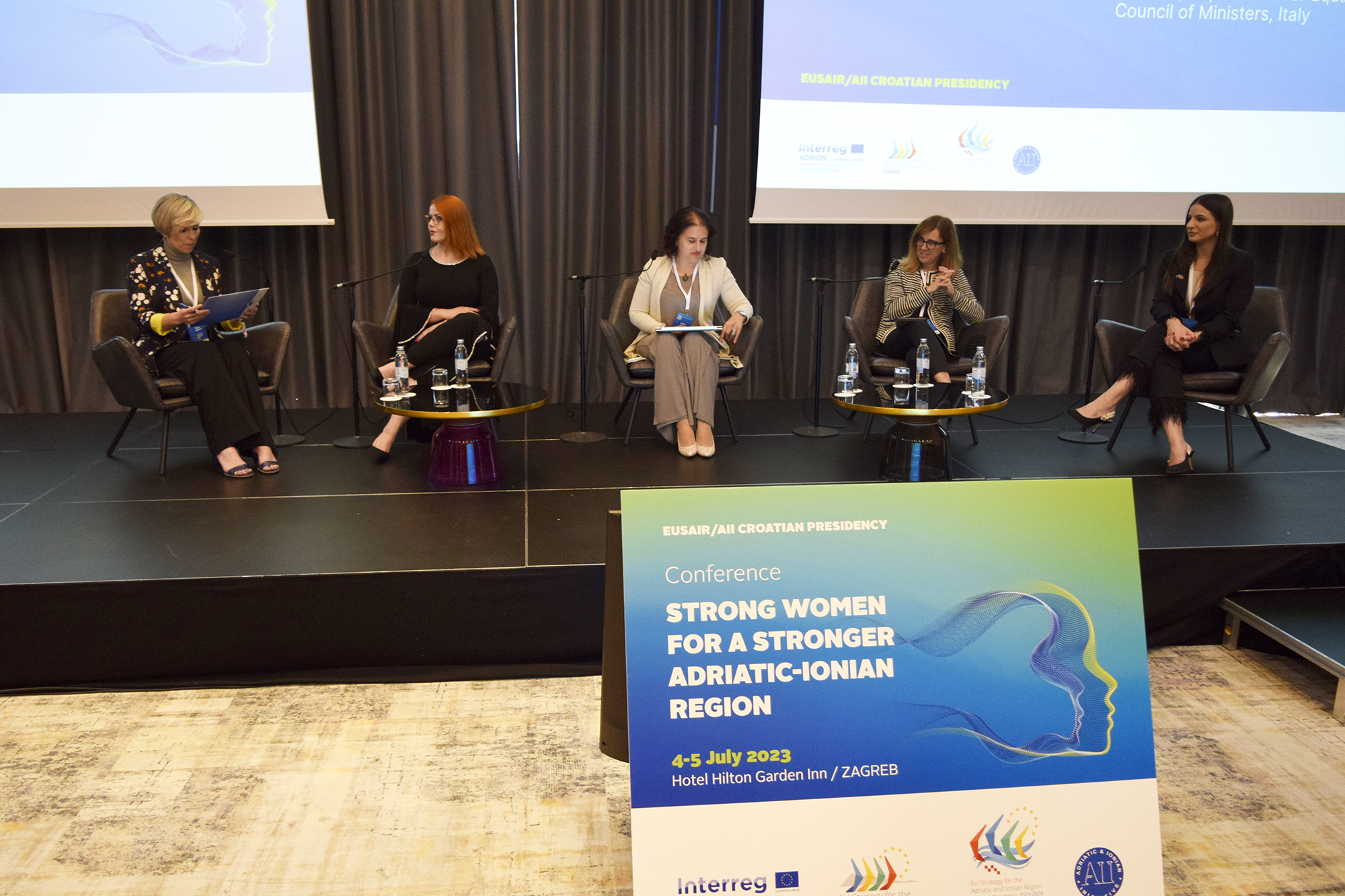
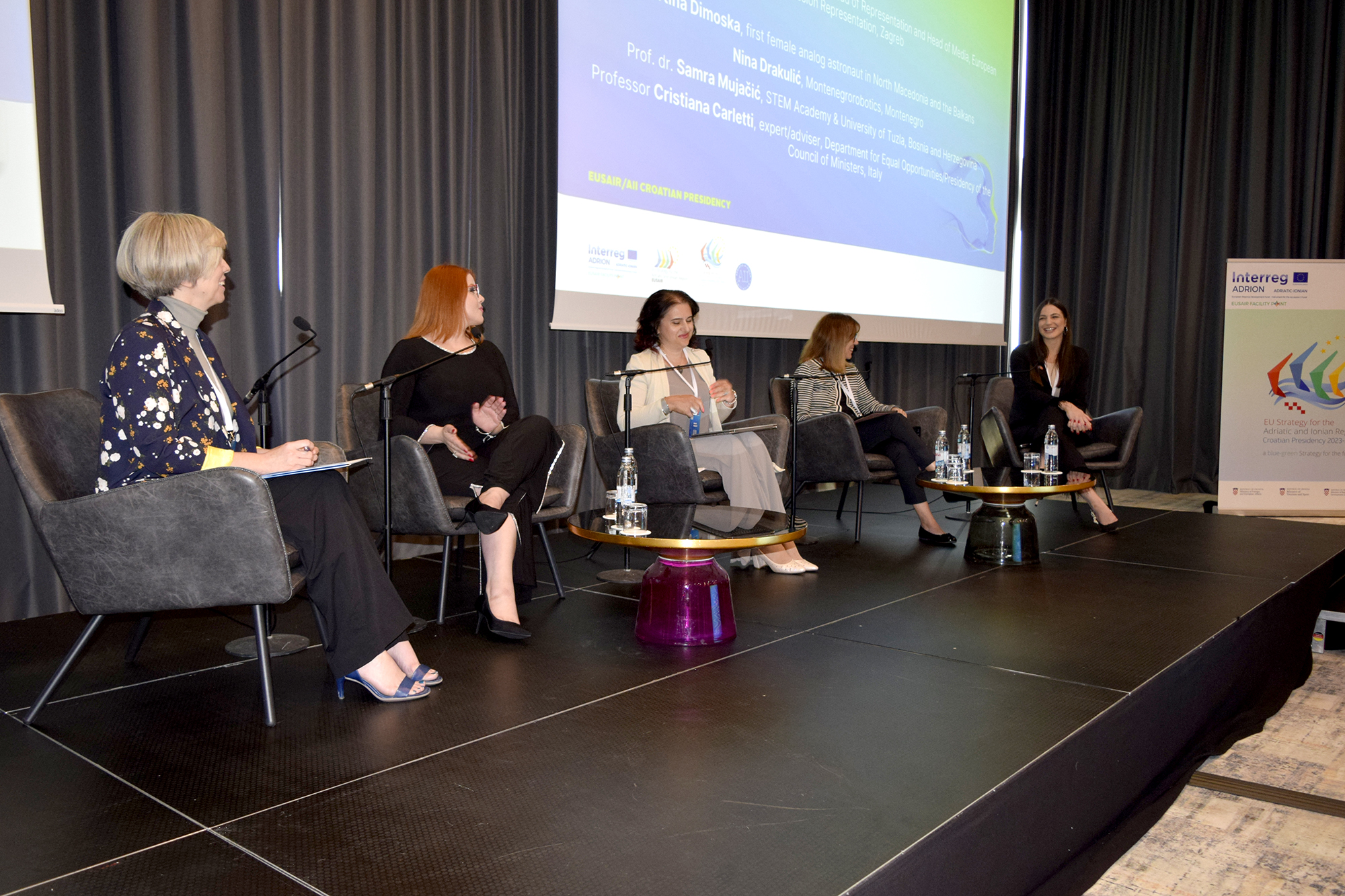
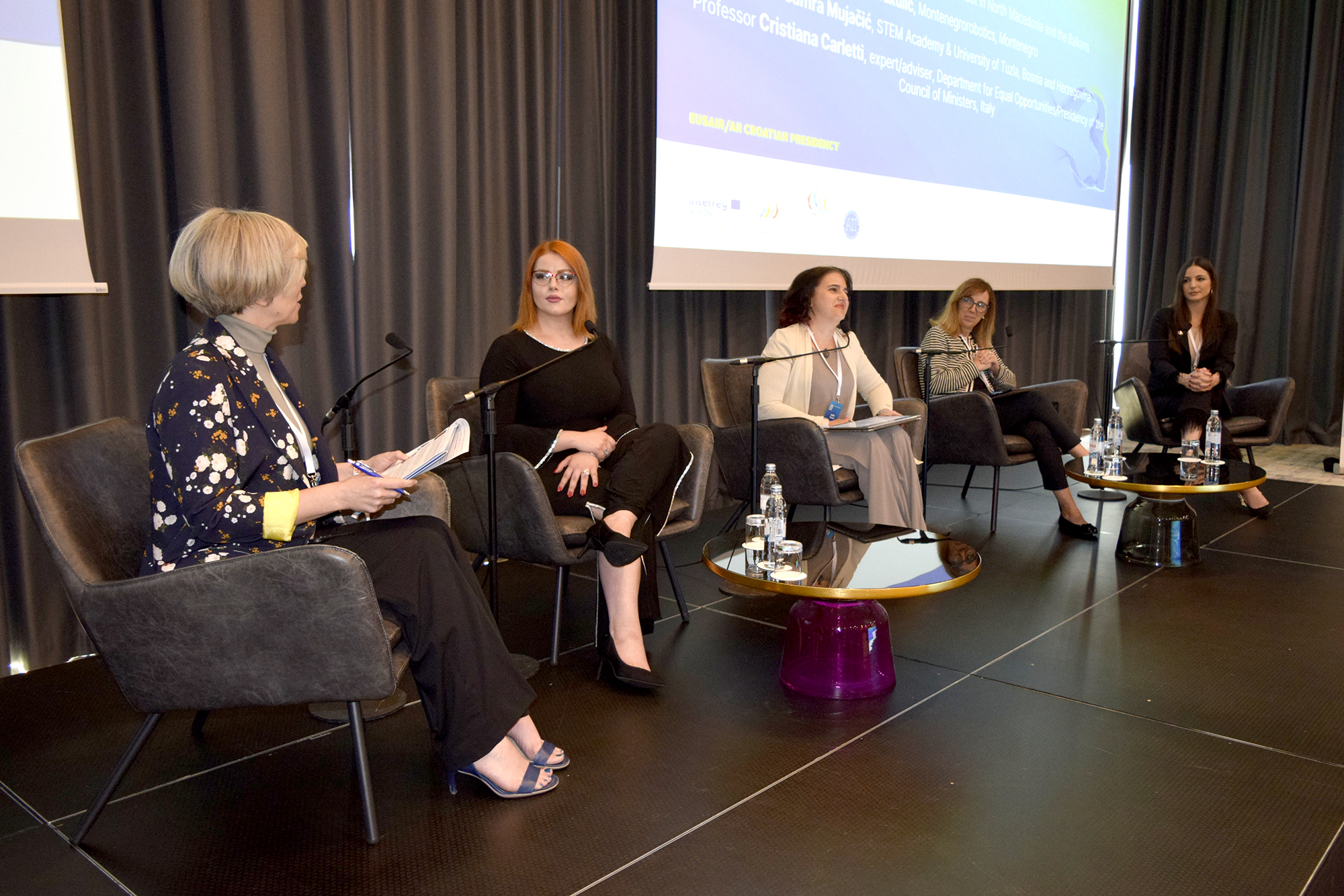
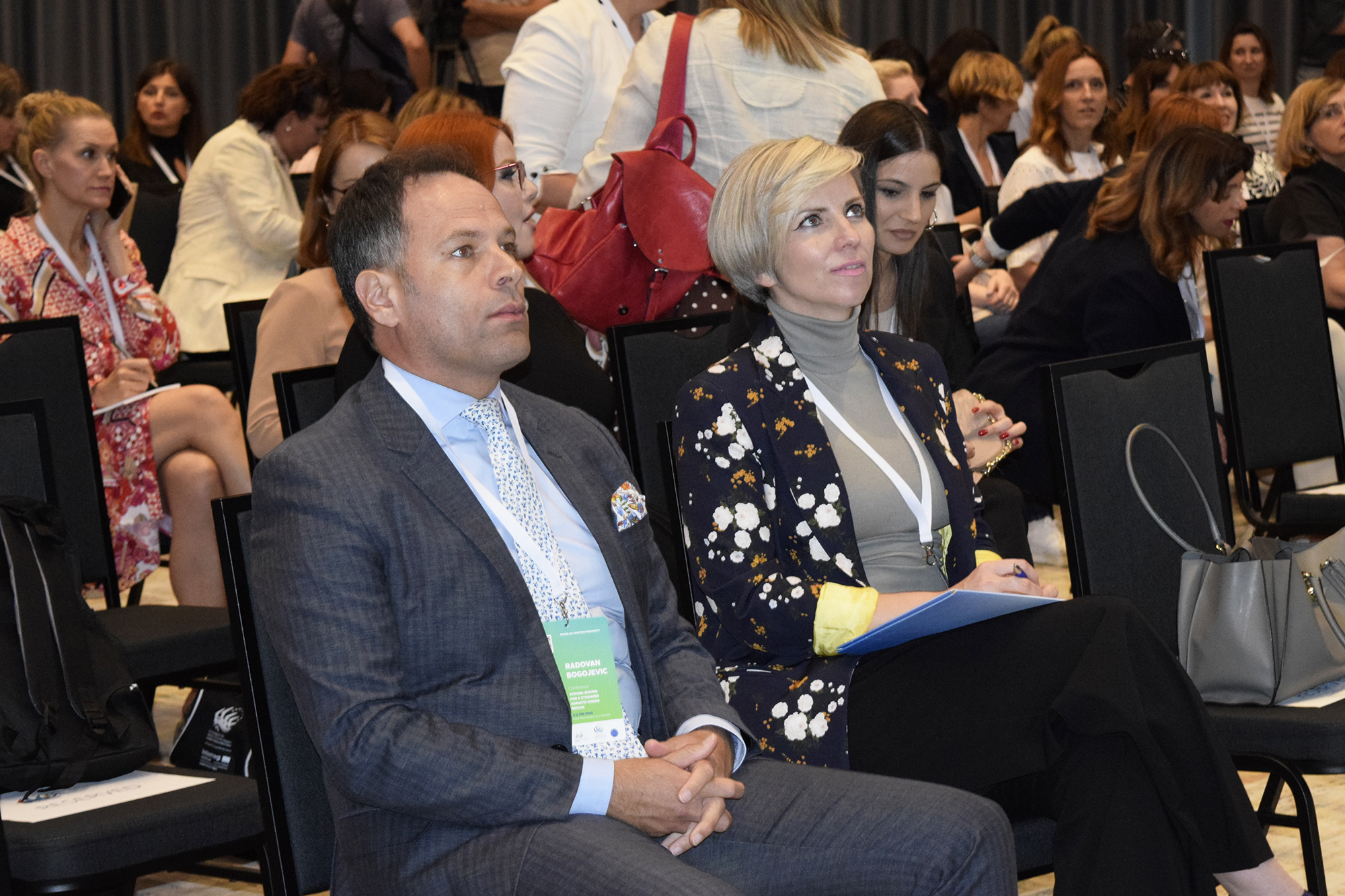
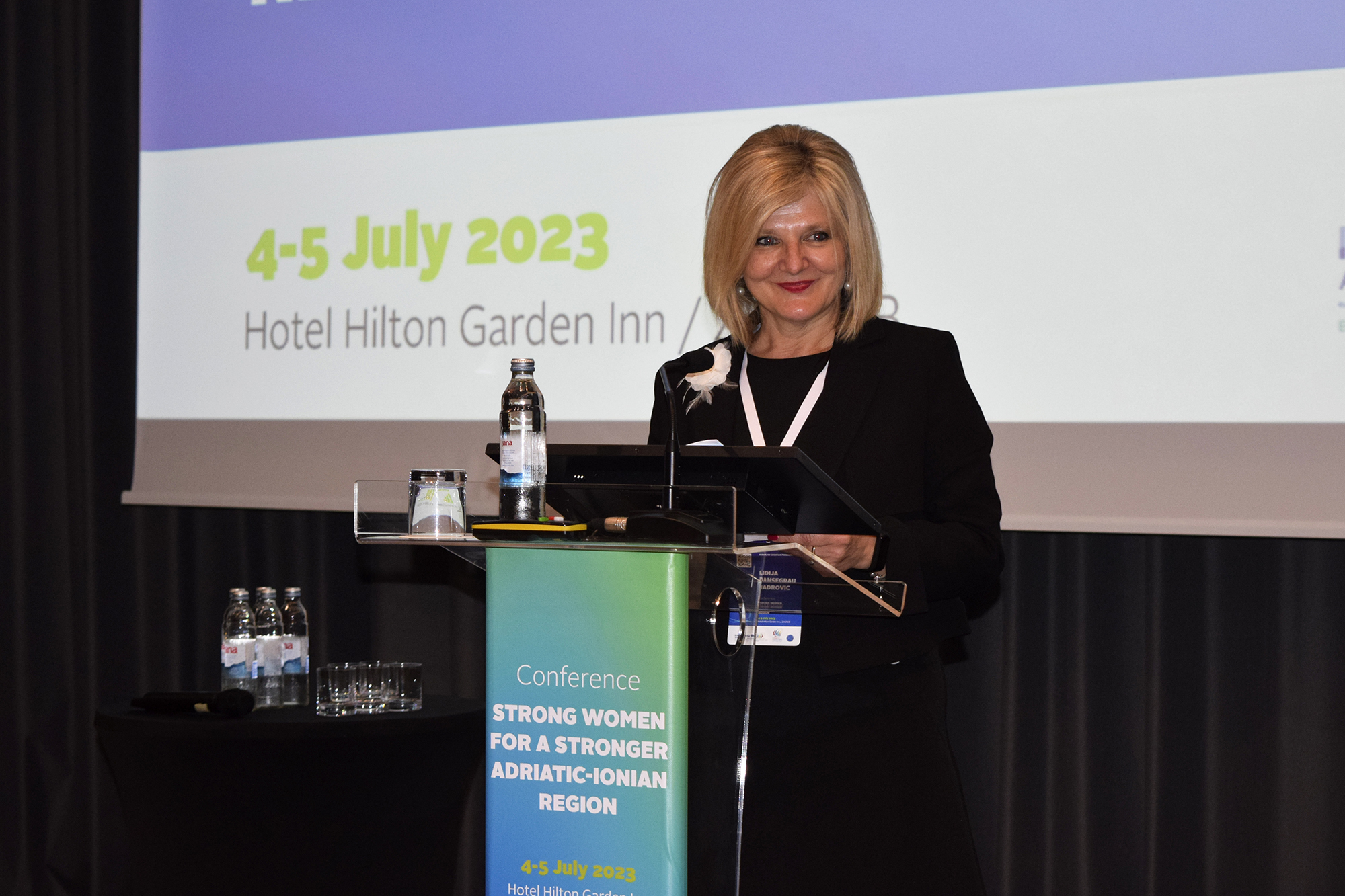
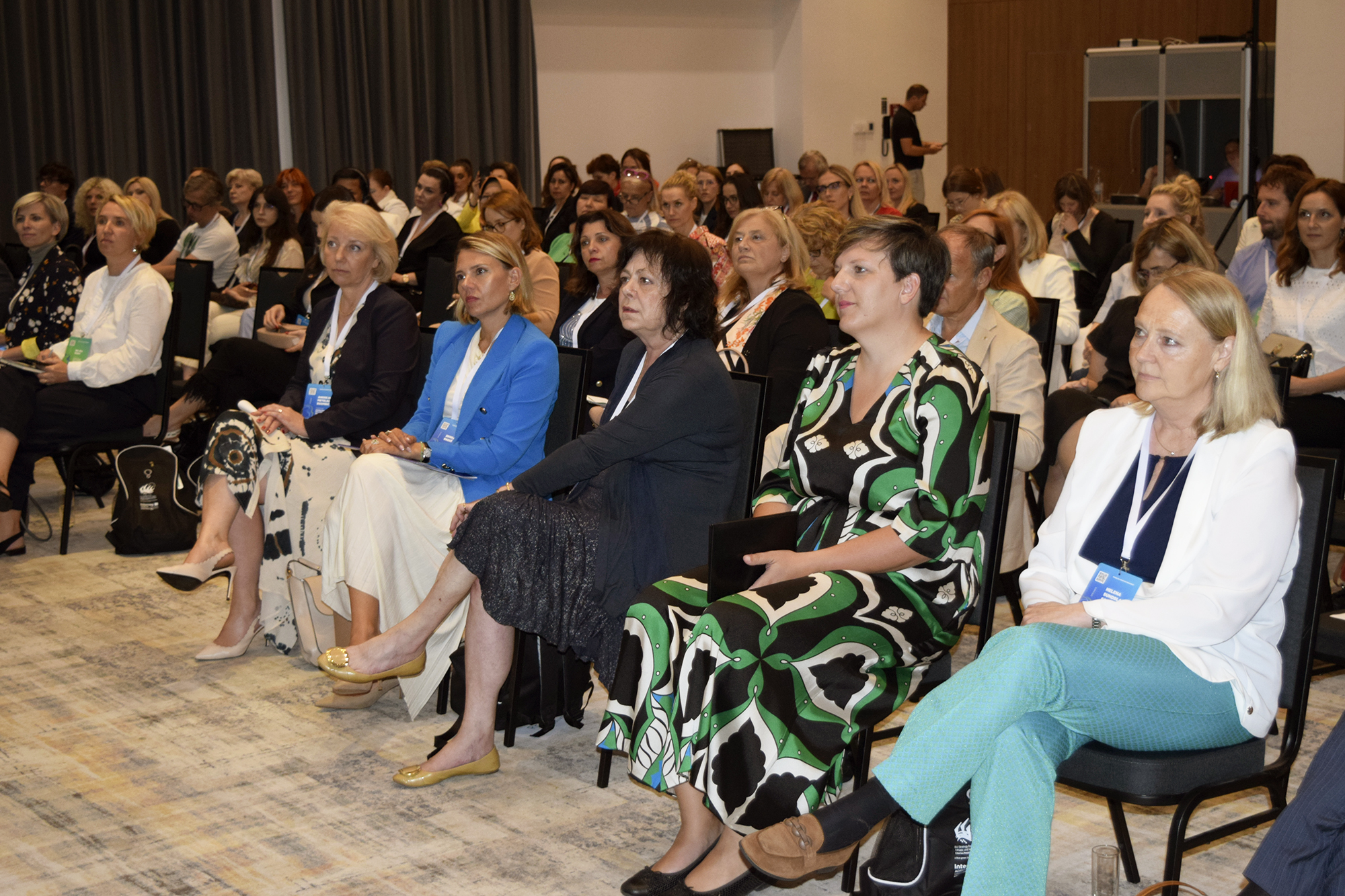
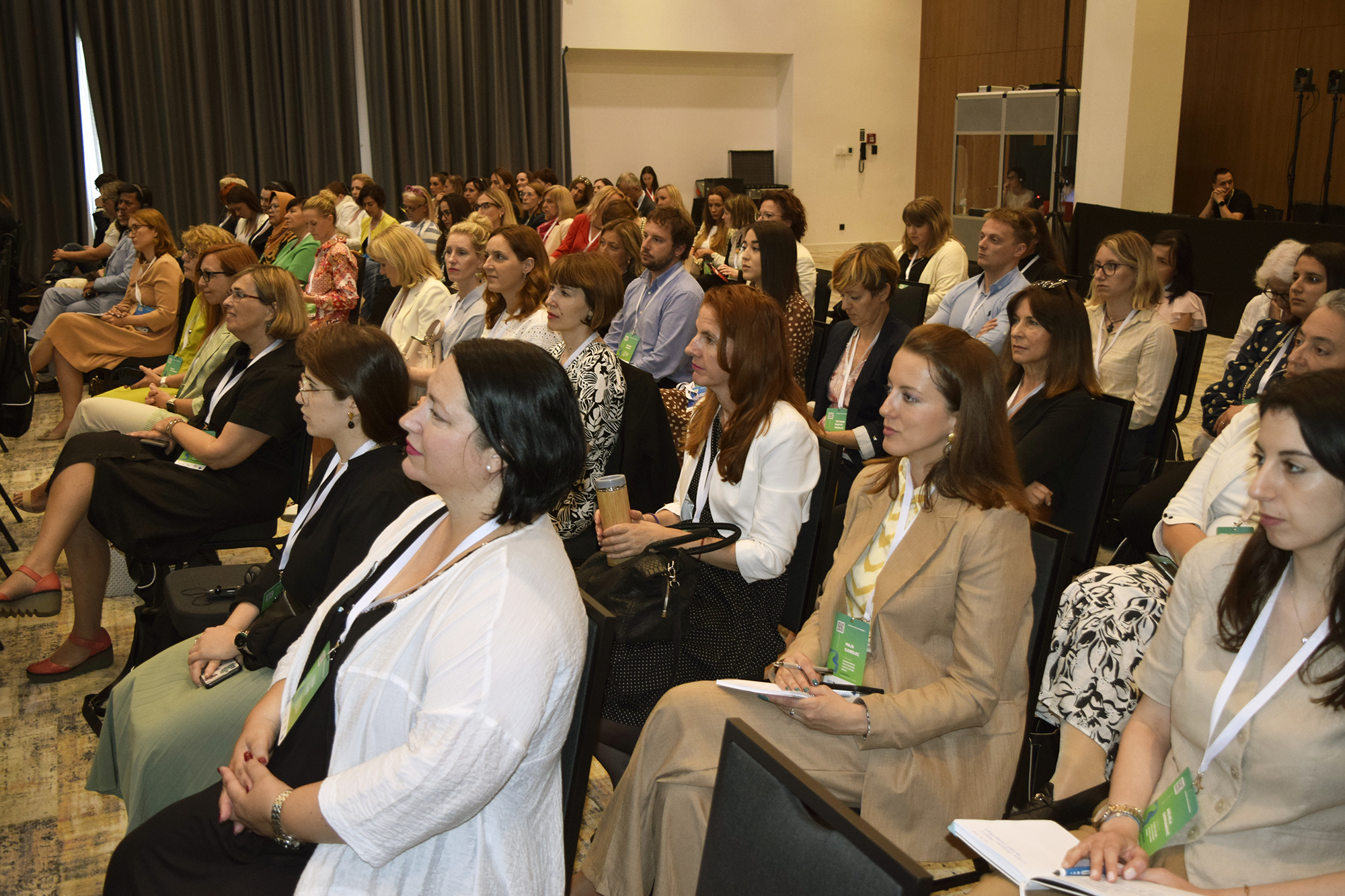
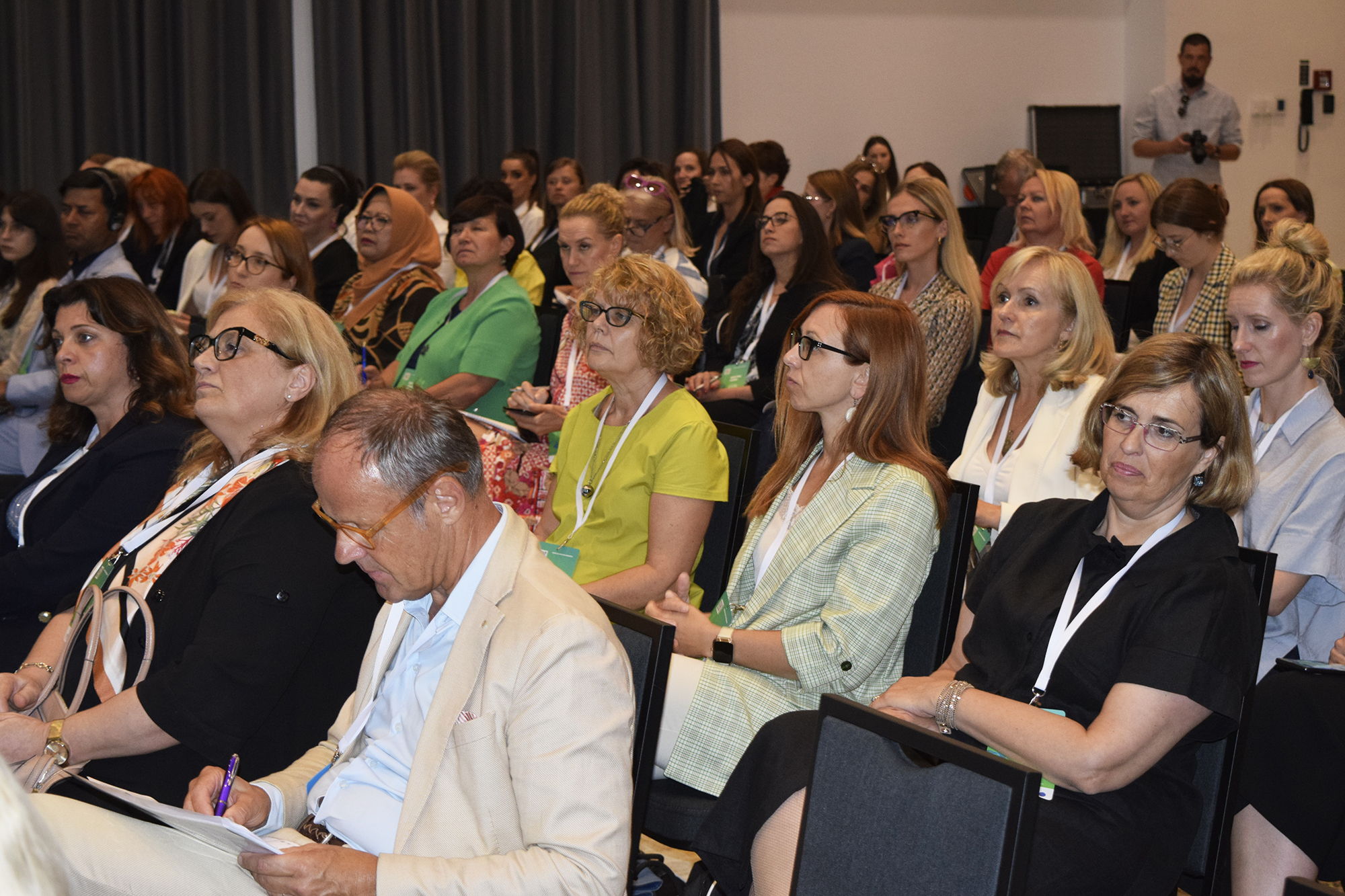
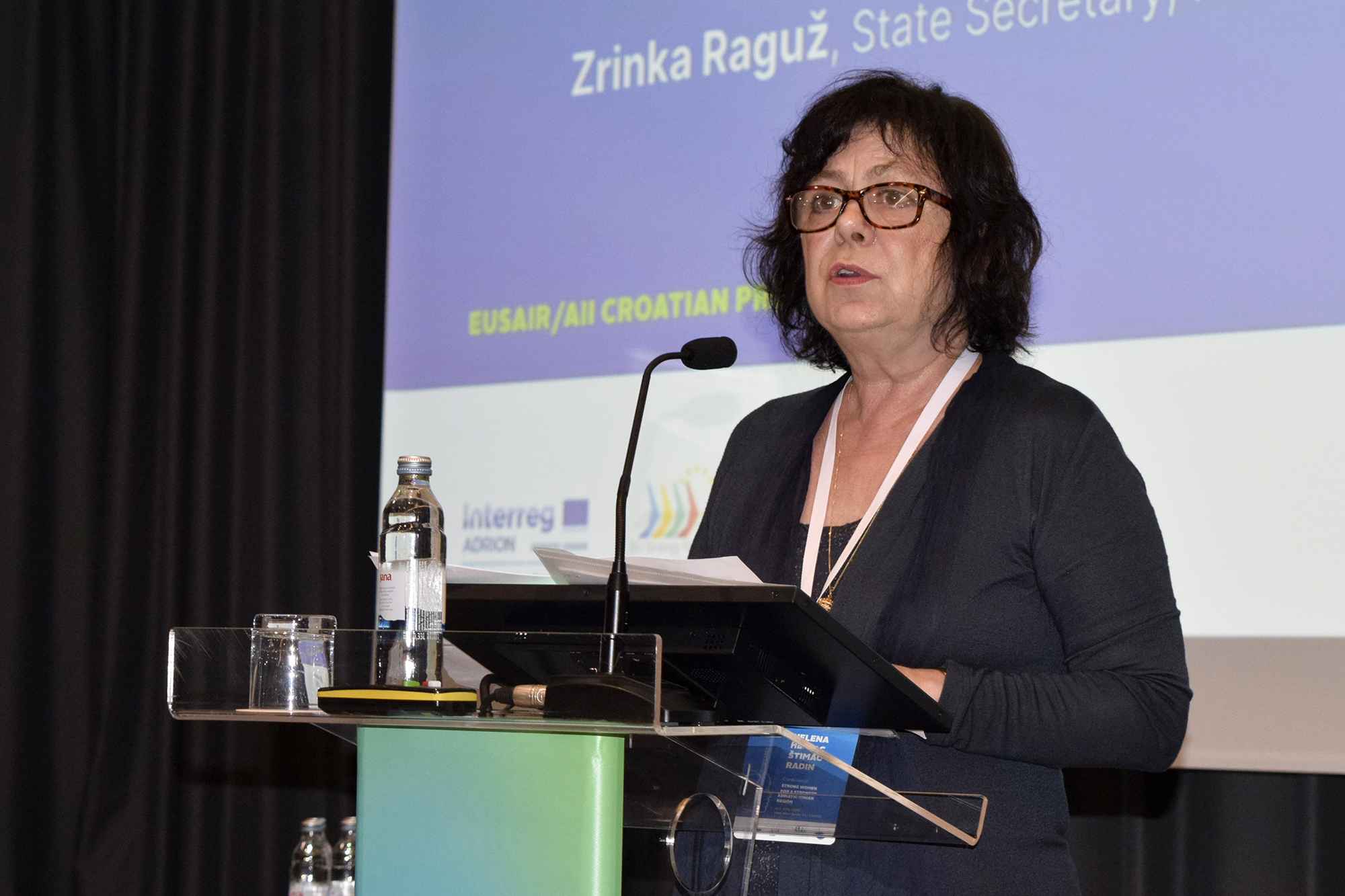
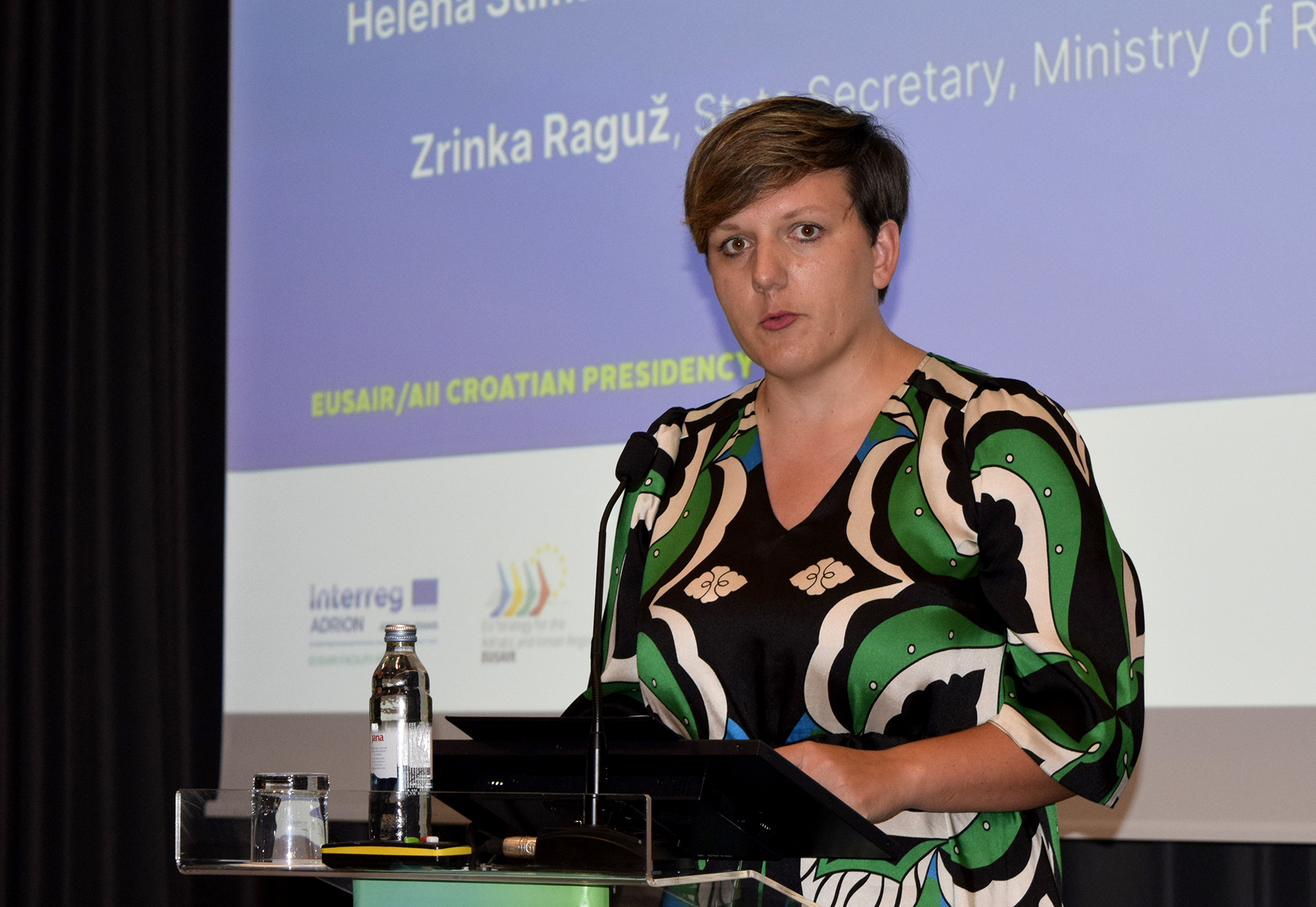
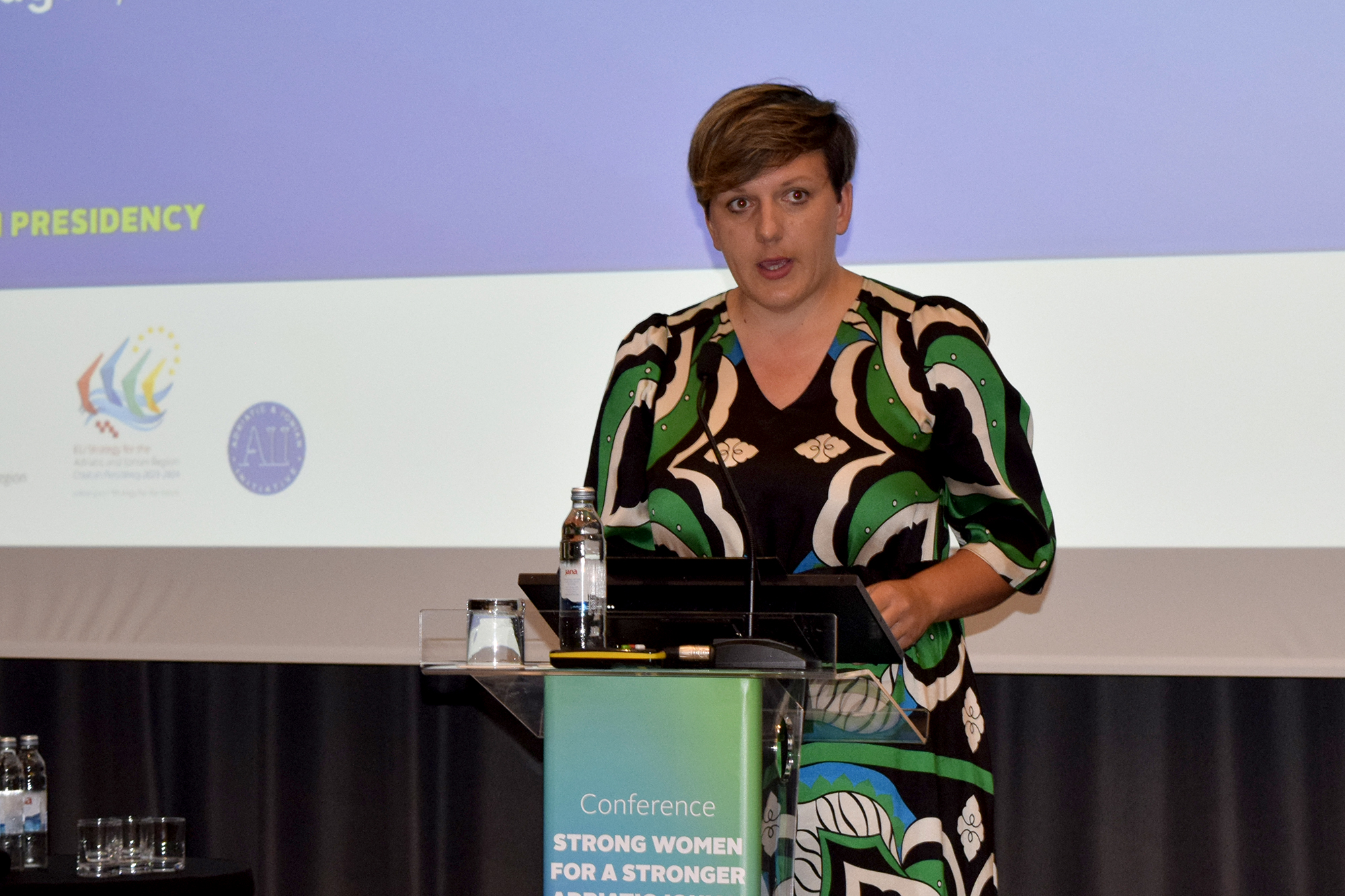
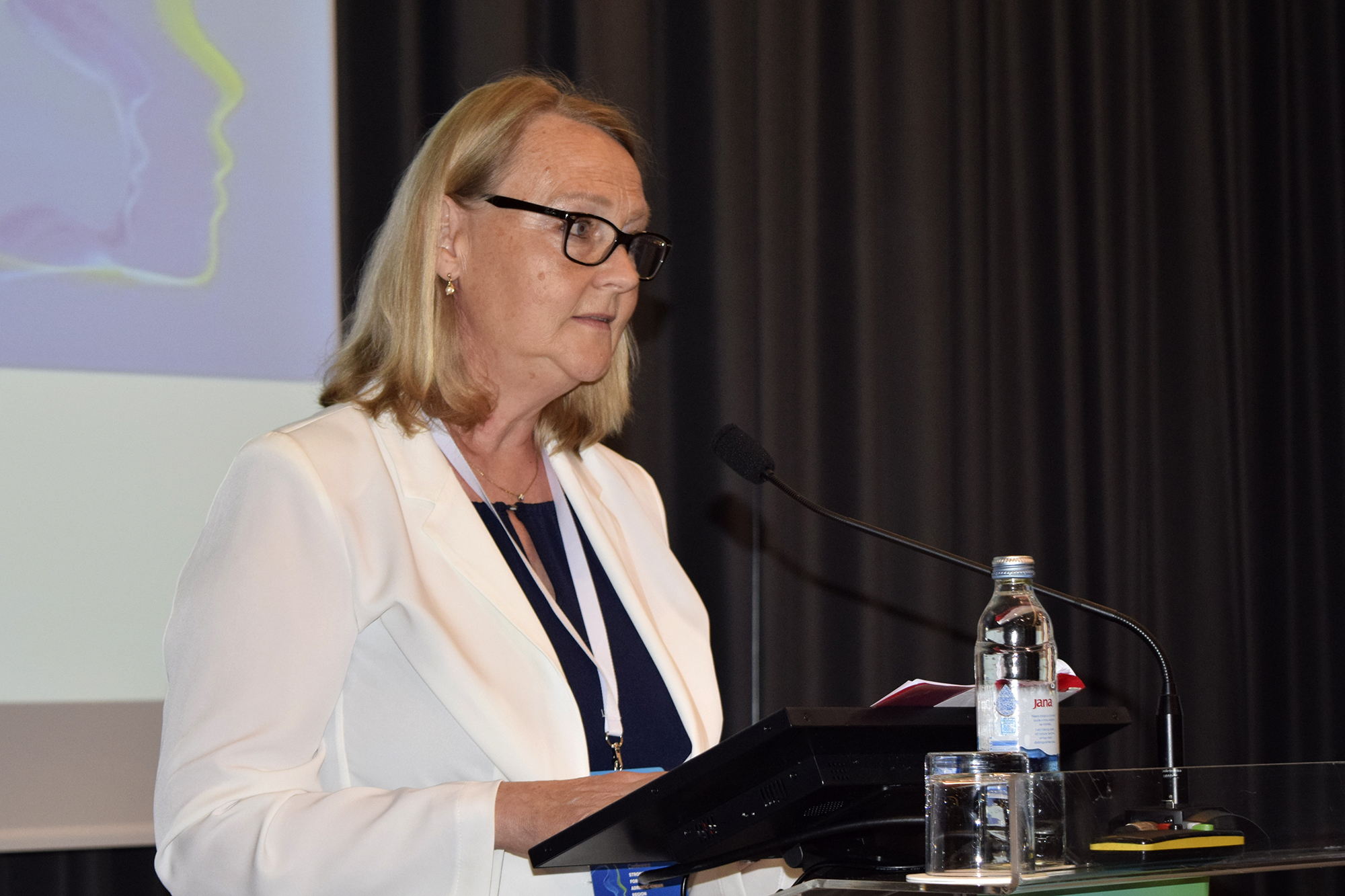
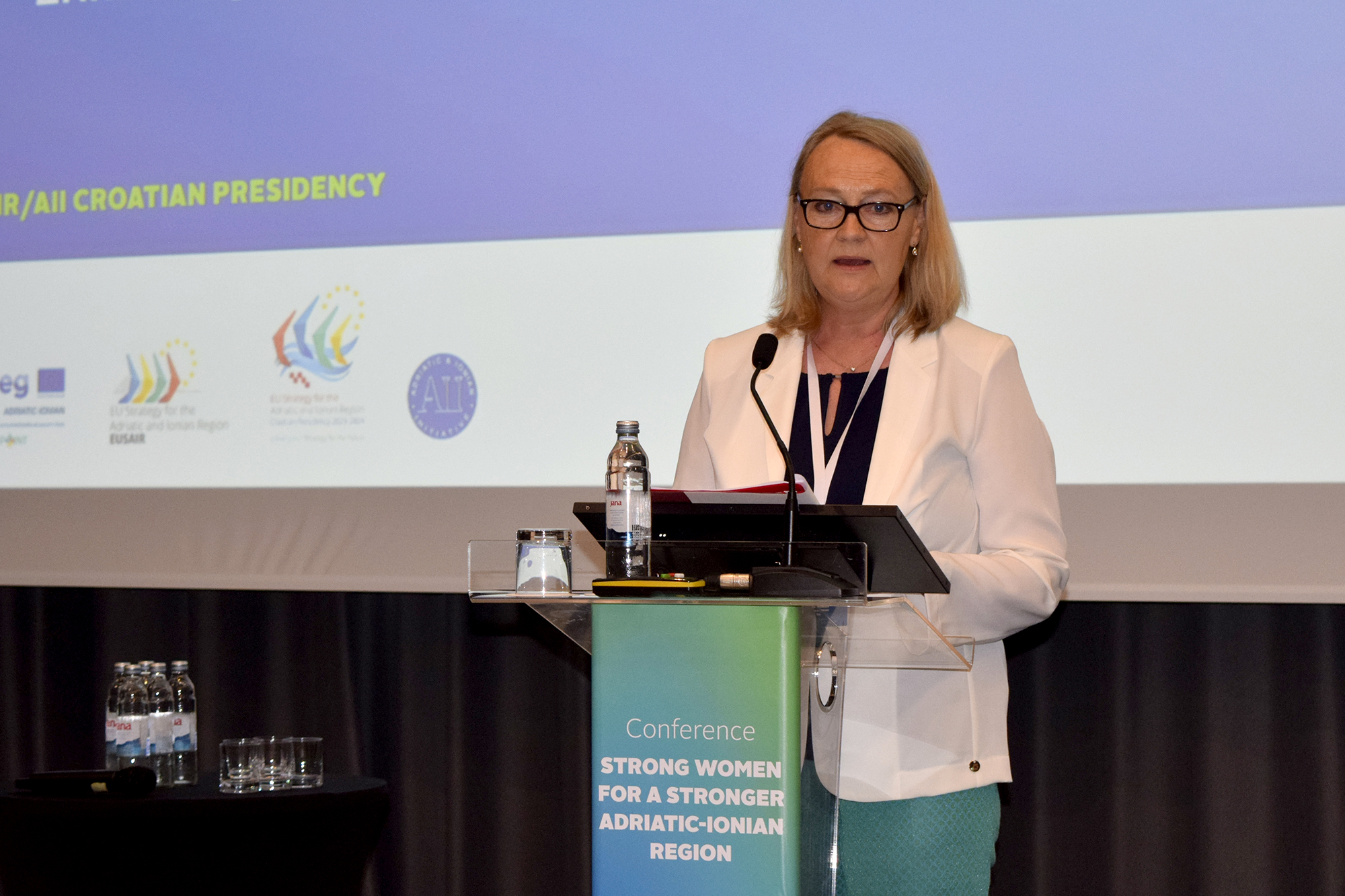
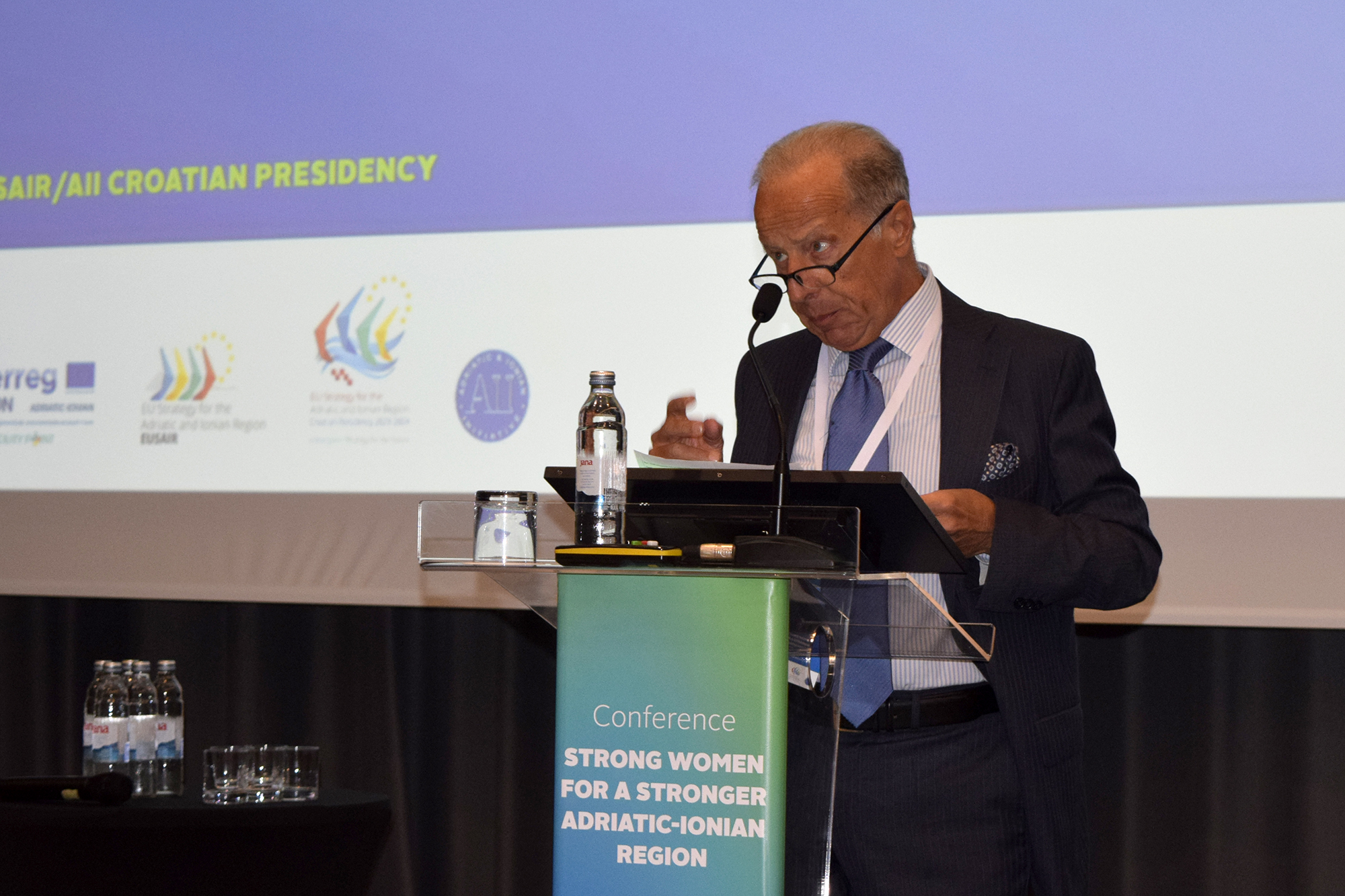
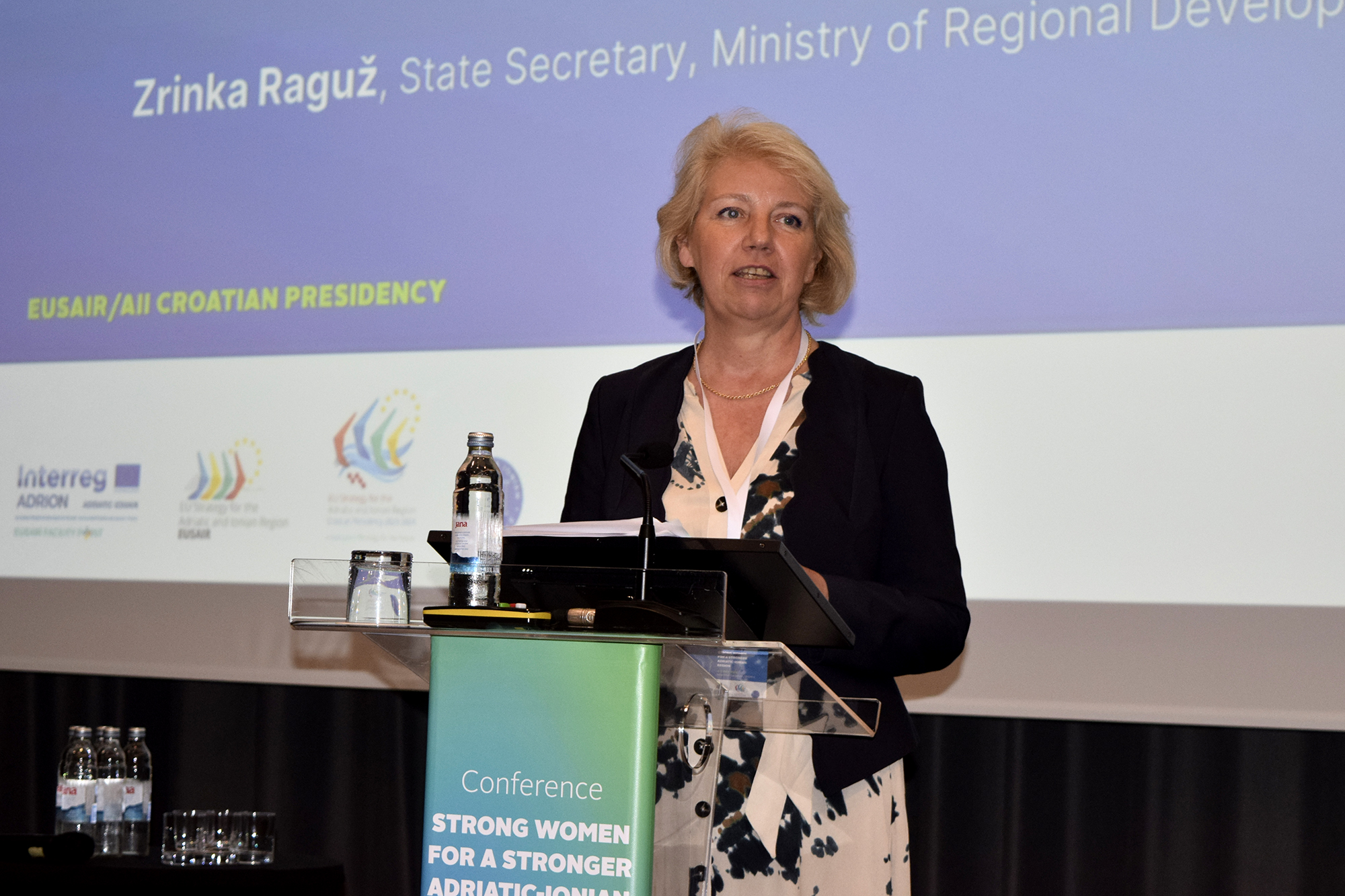
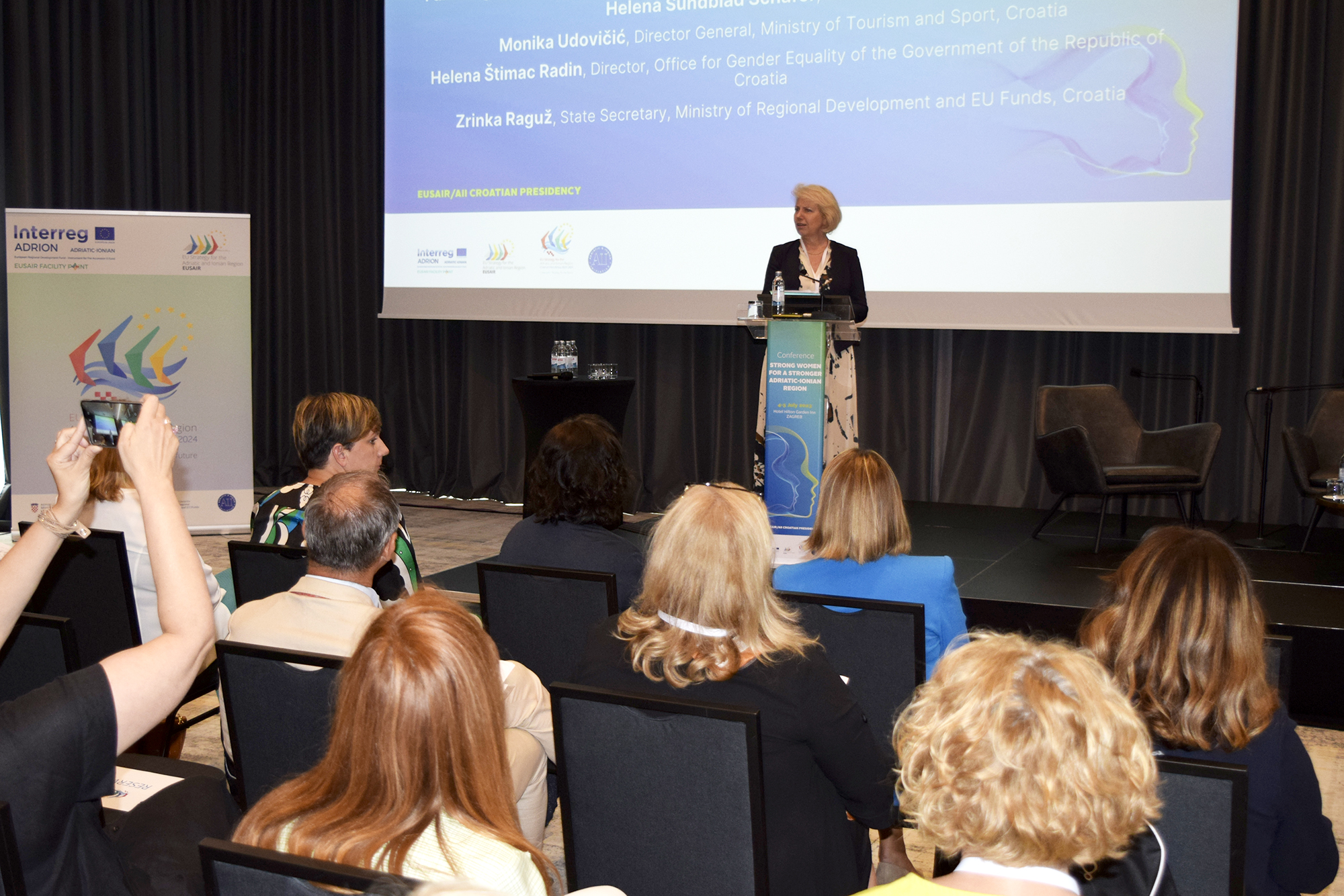
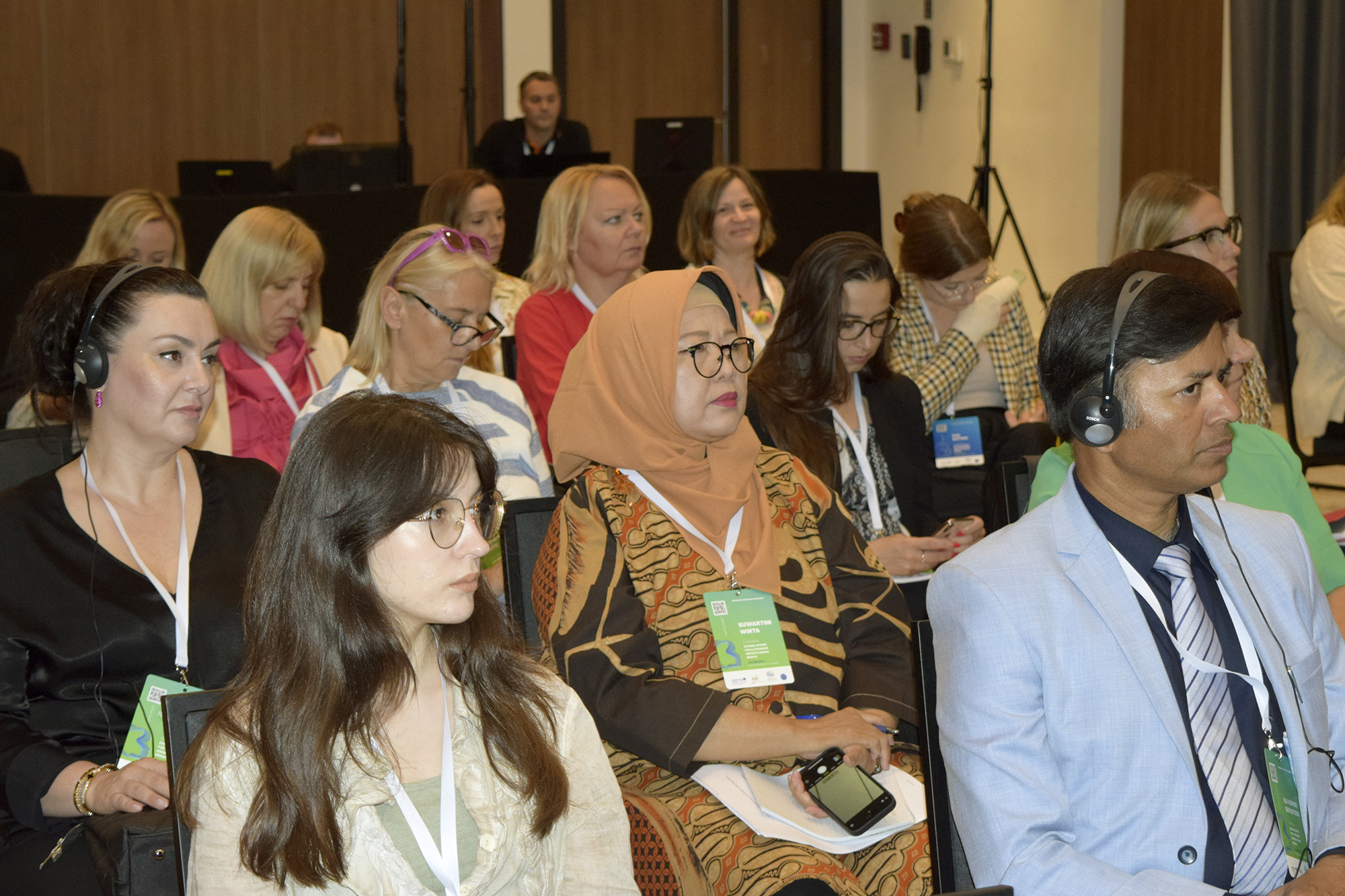
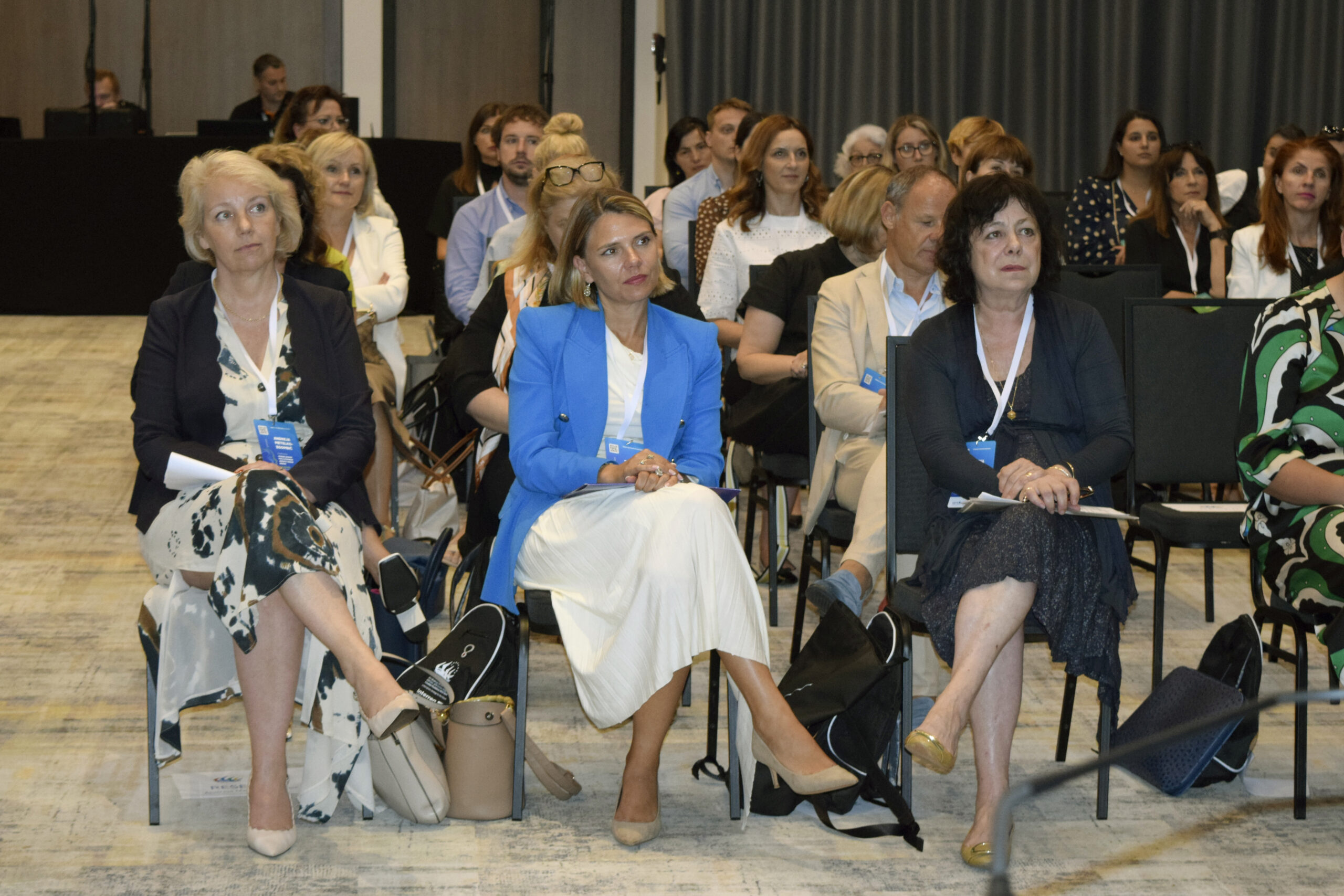
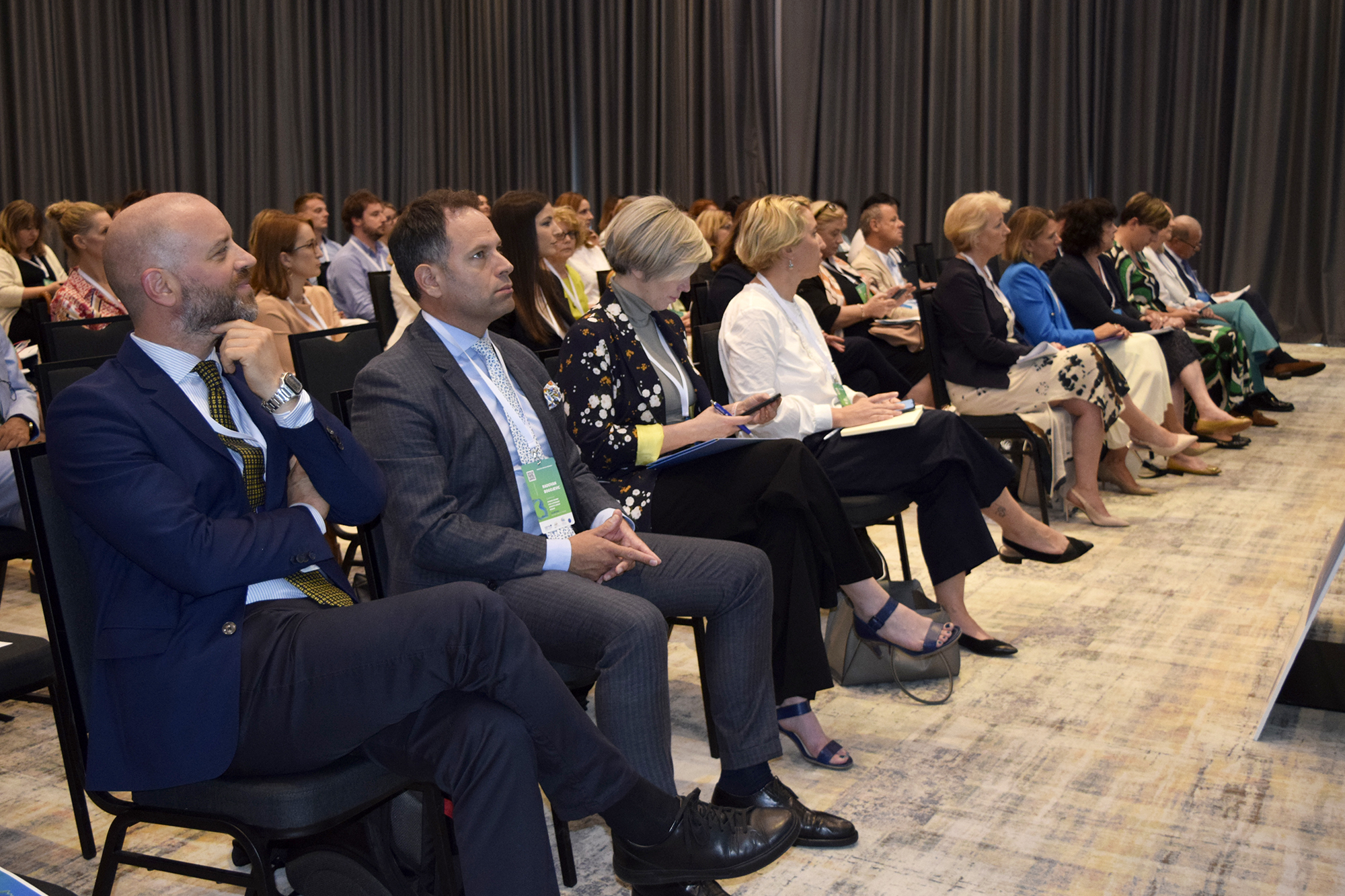
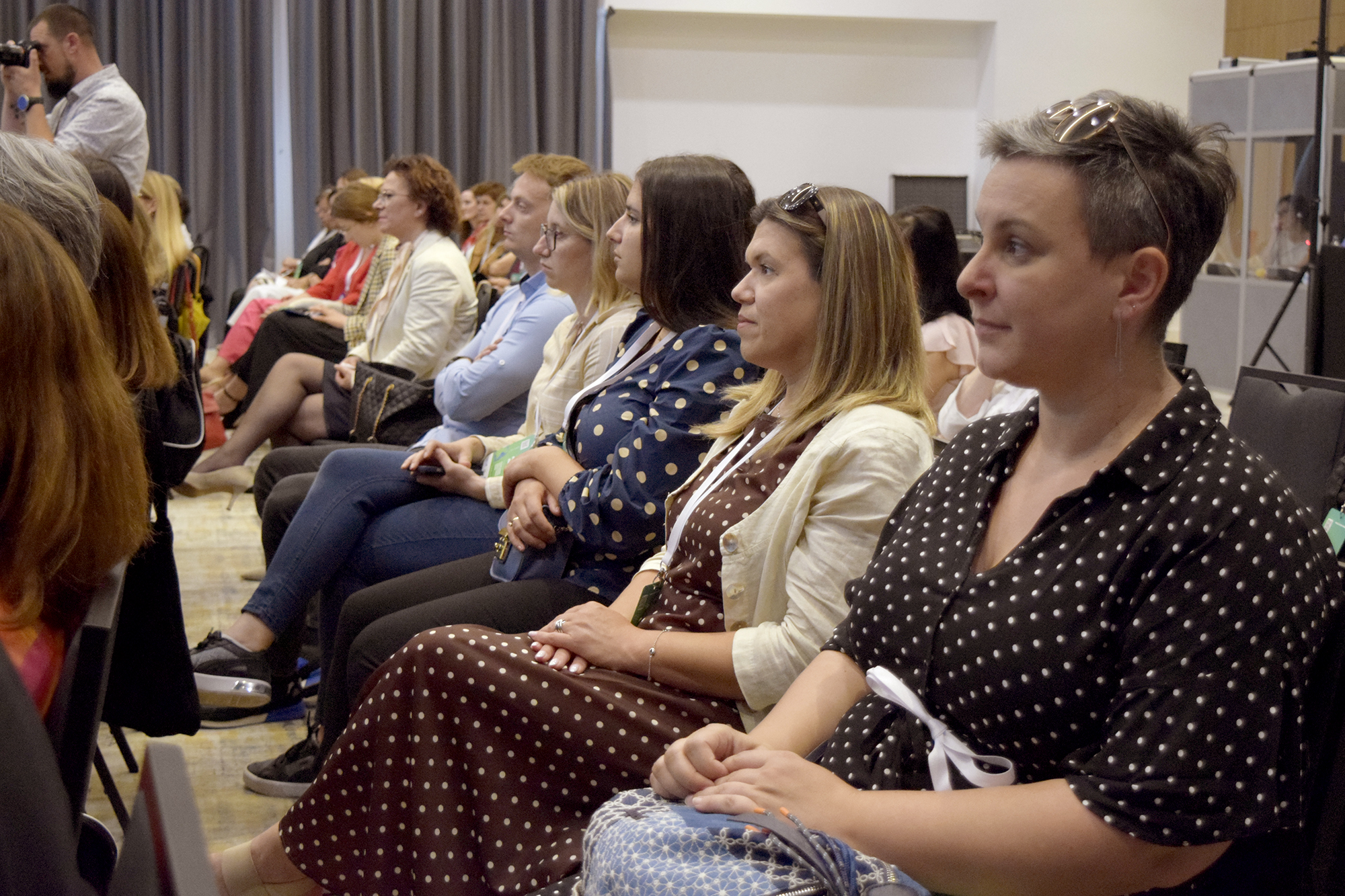
The conference was held in Zagreb on July 4 and 5 with the participation of representatives of EUSAIR member states, the European Commission, the public, scientific-research community, economic and civil sector, and included lectures, panels, presentations of research results and examples of good practice, career success and paths of strong women of the Adriatic-Ionian region.
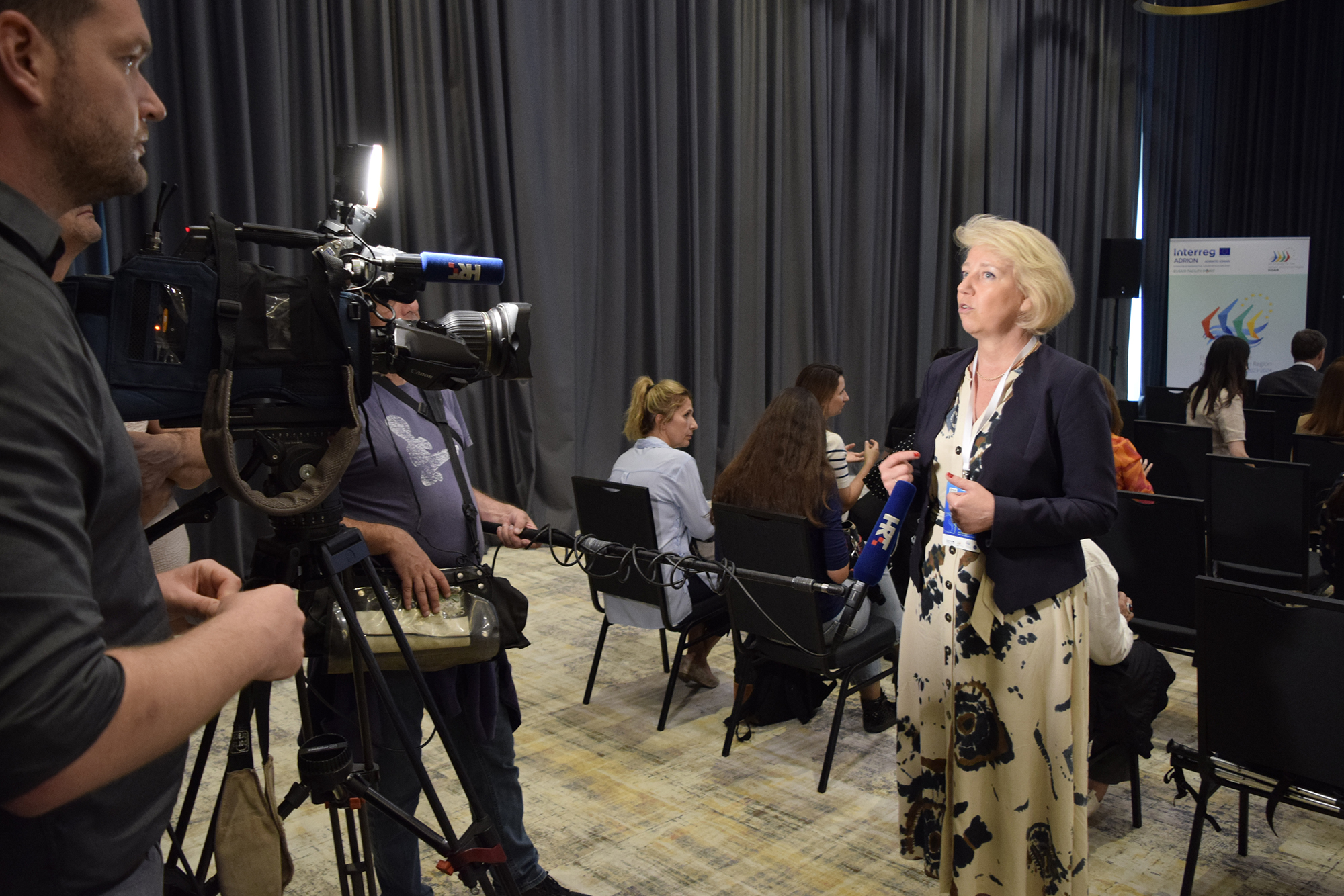
“In a world that is facing unprecedented and overlapping crises and challenges – such as the climate change, pandemic, war, but also natural disasters, food insecurity, supply chain disturbances, green transition challenges – it is all the more important to recognise the unique role of women in responding to them, and to make women more resilient, more empowered, and overall better equipped to act, and, in turn, transform for the better their communities and the entire society. I cannot emphasize enough the importance of having women at the table, in the decision-making processes, in leadership roles at all levels, to effectively respond to challenges we are facing – be it war, environmental challenges, or social injustice” said Ms Andreja Metelko Zgombić, State Secretary of the Ministry of Foreign and European Affairs, opening the conference on behalf of the organizer.
After the Opening Session, four panels followed: “STEMazing women”, “Women in business”, “Women Entrepreneurship in Rural Tourism” and “Civil society – strengthening the role of youth in the region for the future”.
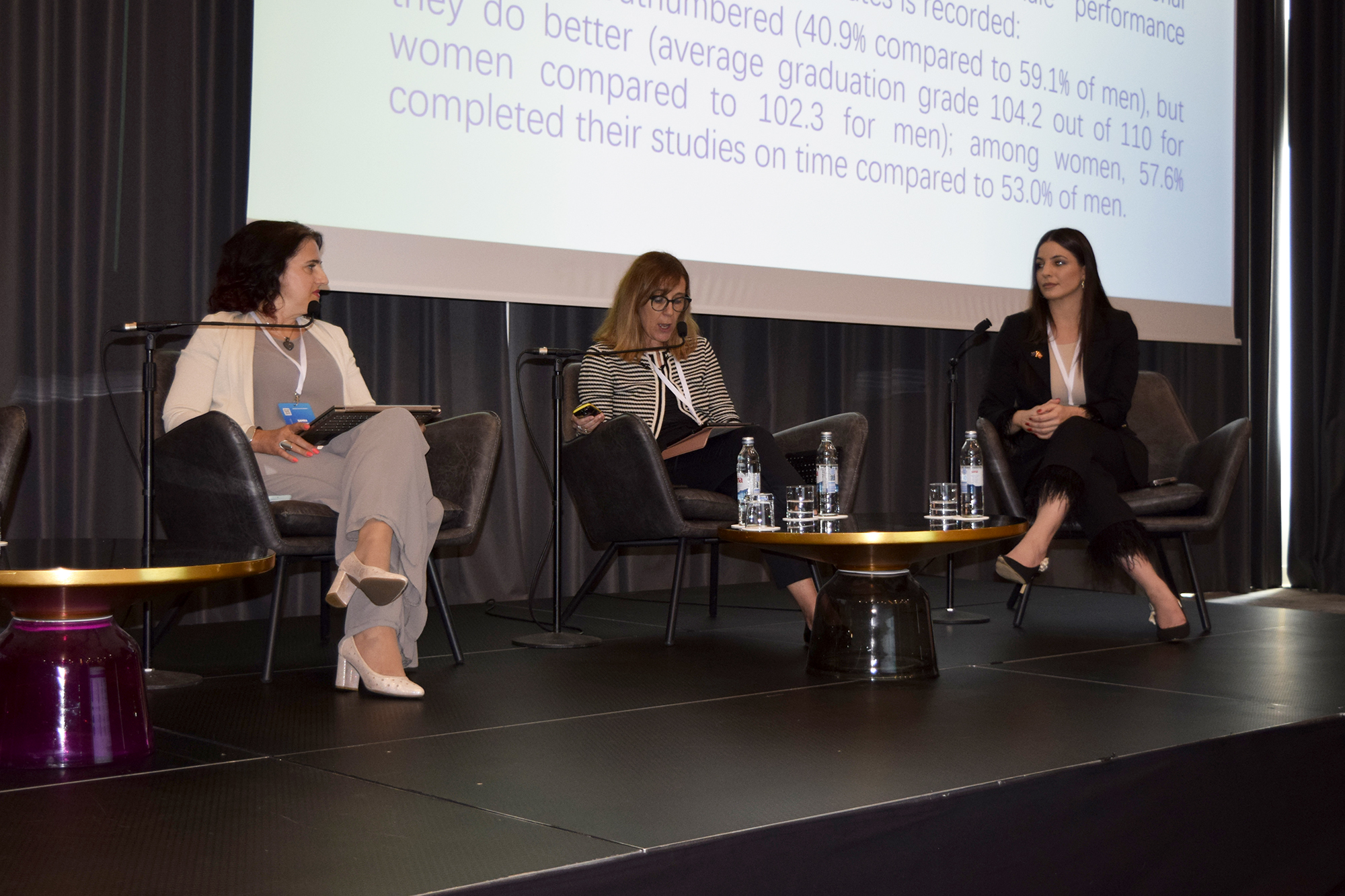
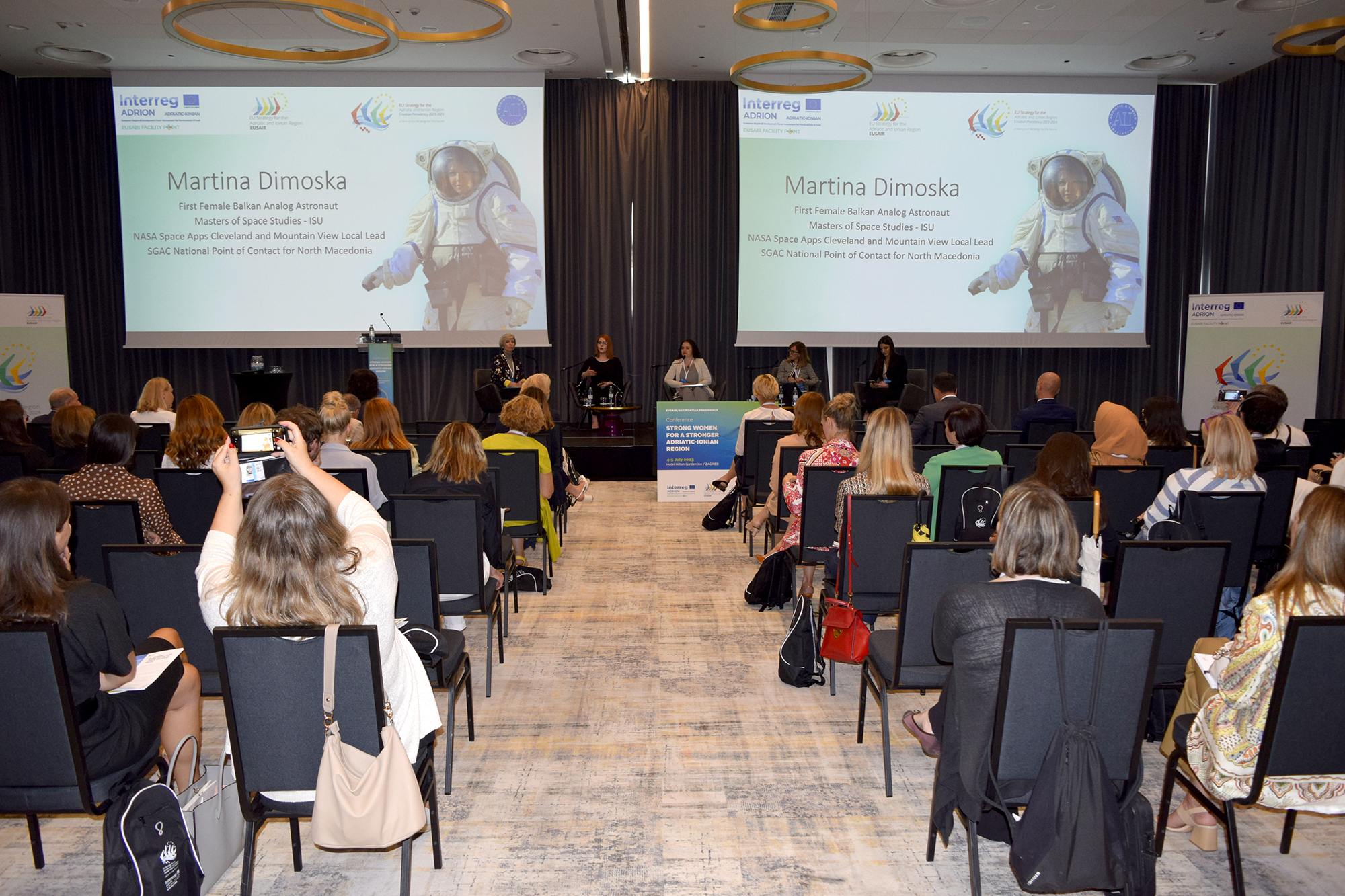
Changing the perception and gender stereotypes, attitudes, but also the real position of women in society is a difficult task for all of us, are making a slow progress. The first “STEMazing women” panel was held precisely with this aim in mind, moderated by Ms Andreja Čović Vidović, deputy head of the Representation of the European Commission in Croatia with speakers Ms Martina Dimoska, first female analog astronaut in North Macedonia and the Balkans, Ms Nina Drakulić, from the NGO Montenegrorobotics from Montenegro and Ms Samra Mujačić from the STEM Academy of the University of Tuzla – women who have achieved significant success in the STEM field, and who spoke about their career paths, challenges and achievements.
In her presentation on “Advancing gender equality in EU rural areas” Ms Elena Di Federico from the EU CAP Network, talked about the position of women in rural areas in Europe who are more exposed to precarious employment, part-time employment and/or informal employment and lack of support in the form of basic public services that would enable them to have a better position on the labor market. On the other hand, the empowerment of rural women can help to solve the key challenges faced by the rural areas of the EU: depopulation, aging of the population, lack of generational renewal, competitiveness of the agricultural and food sectors, lack of services. it is necessary to support women’s entrepreneurship. , through trainings, mentoring, role models, cooperation, networking, improving access to basic public services and services, creating safe and stimulating environments, designing a strategy with women (not about them), redefining the concept of “success” and the permission to fail.
Ms Monika Udovičić, from Croatian Ministry of Tourism and Sport highlighted that – women make up a substantial portion of the tourism workforce; they constitute the majority of employees in the sector, especially in customer service, hospitality, and administrative roles; women have been gradually assuming leadership positions in the industry: more women are now holding managerial and executive roles in tourism organizations, including hotels, travel agencies, tour operators, and destination management companies; women are increasingly involved in entrepreneurship within the tourism sector, as well: many women-owned businesses, such as boutique hotels, bed and breakfasts, travel agencies, and tour companies, have emerged and flourished in various destinations. Women are actively pursuing education and training opportunities to enhance their skills and qualifications in the tourism sector. But, women who work in tourism industry mostly work underpaid jobs or underpaid leadership positions. According to the “Transition Pathway for tourism” – women in tourism earn about 15% less than their male counterparts. On a global level, they remain substantially underrepresented as leaders, and they make up only 21% of board members in tourism businesses. Yet, women’s positions in the industry has evolved, and women have become increasingly active and influential in various roles. This enables them to secure better employment opportunities and contribute to the industry’s growth.
“Developing, retaining and attracting female talent is a strategic priority for the European Commission. To support a diverse and inclusive work environment in the European Union, its commitment to gender equality and inclusivity plays a vital role in advancing the empowerment of women in business, STEM, politics and all other areas. Through various initiatives and policies, the EU strives to create an enabling environment that fosters equal opportunities and promotes diversity. Through various initiatives and policies, the EU strives to create an enabling environment that encourages equal opportunities and promotes diversity. We need to empower the next generation of women, nurturing their dreams and aspirations. Mentorship, guidance and support are indispensable tools in equipping young girls and women with the confidence to pursue their ambitions. By investing in education and providing role models, we unlock the enormous potential of future women leaders, innovators and creators of change,” concluded the conference on behalf of the European Commission, Ms Andreja Čović Vidović.
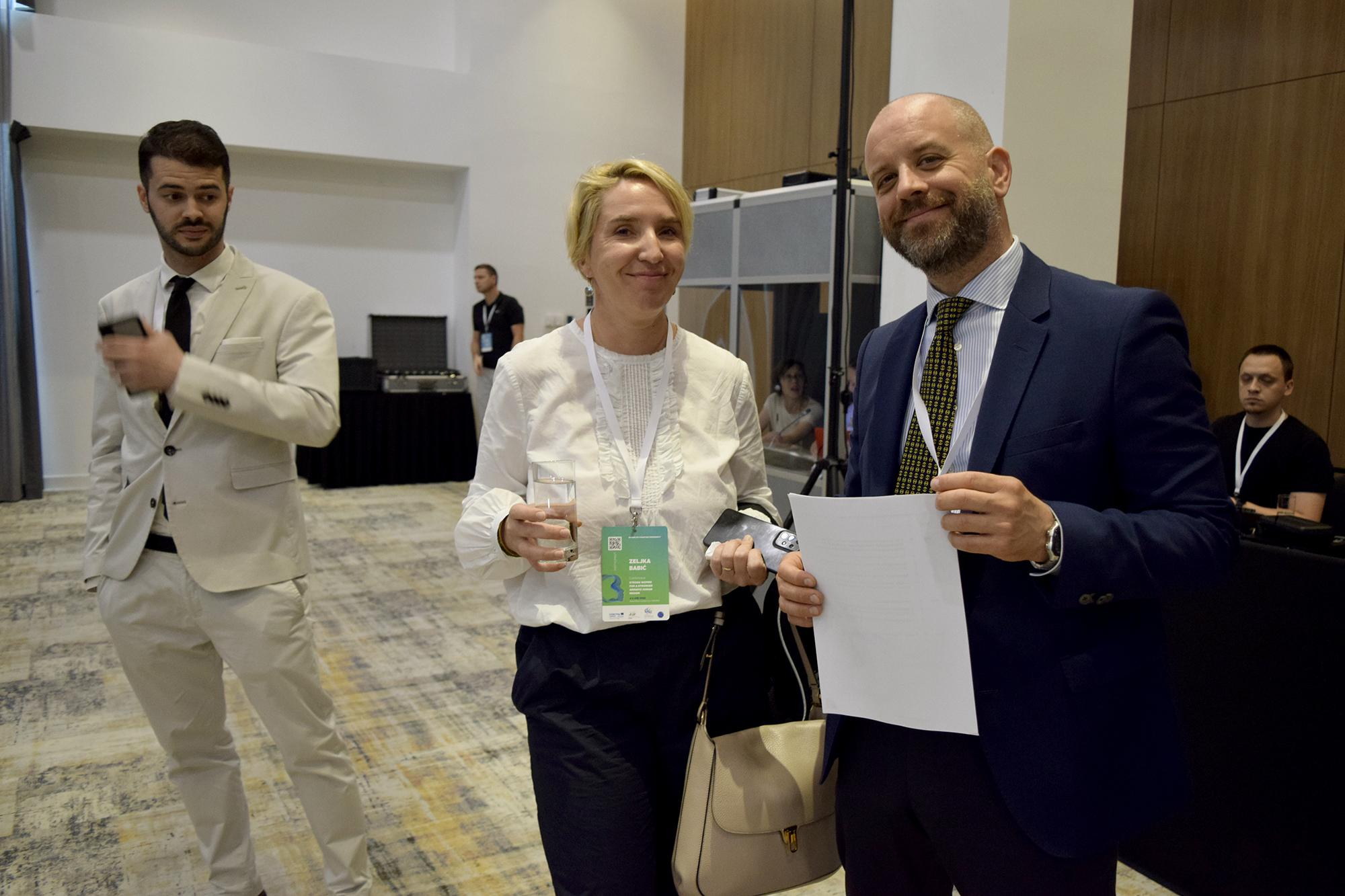
However, when it comes to numbers: this two-day conference dedicated to the position of women in the Adriatic-Ionian region societies, gathered 135 participants, of which 20 were men. That is, expressed as a percentage, 14.81%. Time will show whether this is enough to support the necessary social changes. Just as we need keynote speakers for events like this, we also need keynote listeners.