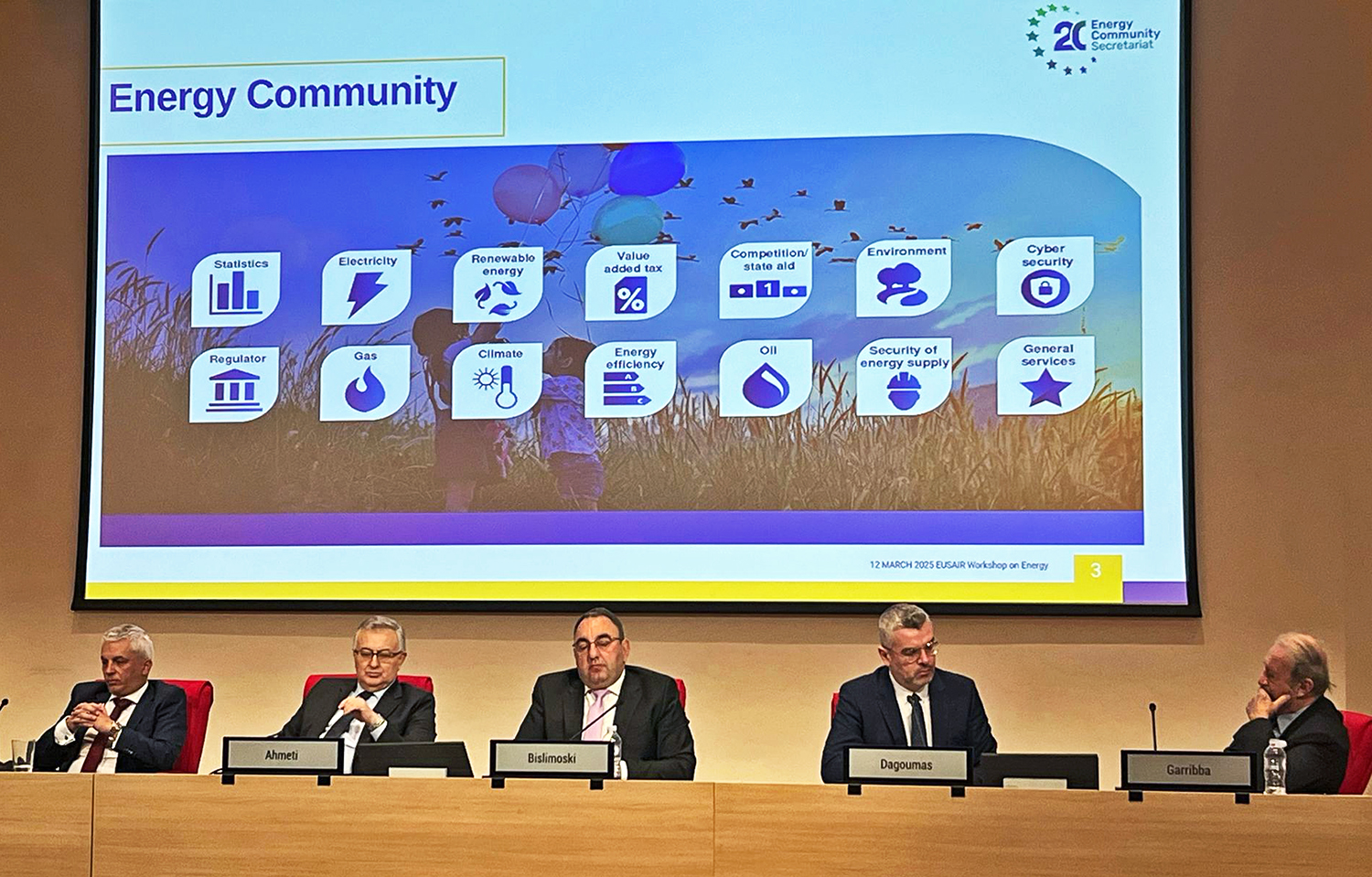
In spite the highlighted high costs of renewable energy sources, new plans to increase capacity through investments in solar panels and green gas were presented. For the success of these plans the cross-border interconnections will be crucial, but they are subject to the political challenges
Offshore renewables challenges and hydrogen opportunities
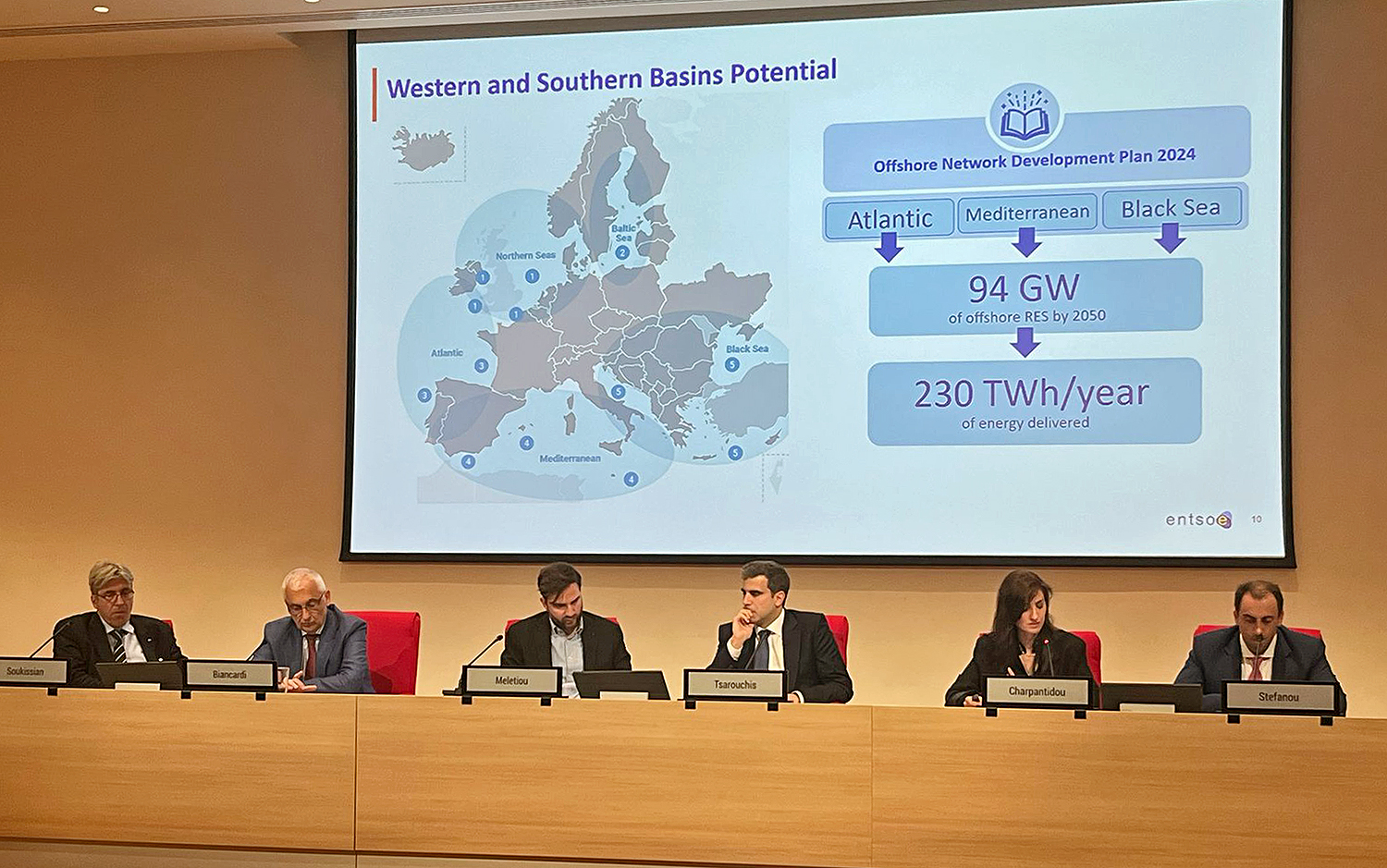
The discussion included the potential of the offshore renewable energy sources but also the environmental and social challenges, as well as possible negative impacts on tourism. Offshore renewable energy sources offer significant potential for sustainable electricity generation but also pose environmental and social challenges. These include impacts on marine ecosystems, disruptions to fishing communities, and concerns over visual and noise pollution affecting coastal populations.
The hydrogen market is rapidly expanding, driven by increasing investments, technological advancements, and global efforts to transition to clean energy. Growing government support, falling production costs, and rising demand for green hydrogen are accelerating the course of things.
Energy sector in the Adriatic and Ionian region develops its own plans for hydrogen transmission between the regional states and the EU market, including large underwater pipelines. The hydrogen market requires long-term investments and a transitional period in which hydrogen blends with other energy sources. On this path the mentioned significant interest of the German market is a good incentive.
New funding calls for projects will open at the end of 2025, focusing on cross-border and renewable energy sources. The EU energy budget for 2021-2027 amounts to €5.84 billion. The region has a great potential for energy transition but significant investments, regulatory alignment, and the enhanced international cooperation are necessary.